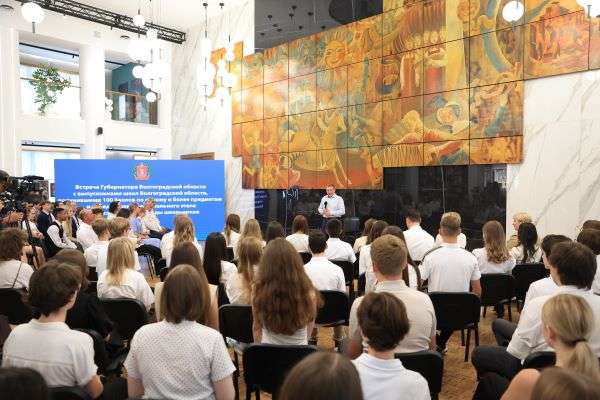
The Volgograd Region administration has unveiled a new financial support initiative aimed at retaining top-tier graduates and attracting talented youth to local educational institutions. Under the new policy, students who demonstrate high academic achievement and enroll in regional universities or colleges are eligible for a monthly scholarship of 10,000 rubles during their first year of study. This measure is designed to alleviate the financial burden on students entering higher education and to strengthen the regional labor market by incentivizing local talent to remain within the Volgograd area.
Structure of the Financial Support Initiative
The scholarship program serves as a targeted economic tool to stabilize the regional education sector. According to official statements from the Volgograd Region administration, the 10,000-ruble monthly stipend is intended to act as a significant support mechanism for first-year students, helping them transition into university life without the immediate pressure of finding supplemental income. The initiative is part of a broader strategy to improve the regional competitiveness of educational institutions, as detailed in the official portal of the Volgograd Region.
The program focuses specifically on high-performing students. By providing this financial incentive, regional authorities aim to prevent the “brain drain” of talented youth moving to larger metropolitan centers like Moscow or Saint Petersburg. The funding is expected to cover essential living expenses and academic costs, ensuring that students from various socio-economic backgrounds have equitable access to local degree programs.
Economic Rationale and Educational Policy
The decision to implement these scholarships reflects a growing trend among Russian regional governments to use direct financial intervention as a means of regional development. The Volgograd Region, which has been focusing on industrial modernization and agricultural innovation, requires a steady pipeline of skilled professionals in fields such as engineering, technology, and biotechnology, as outlined in the Ministry of Economic Development of the Russian Federation reports on regional investment climates.
By investing in the first-year experience, the administration hopes to increase retention rates. Statistics from the Ministry of Science and Higher Education of the Russian Federation consistently indicate that the transition from secondary to higher education is the most critical period for dropout rates. Financial stability during this first year is considered a primary factor in ensuring students complete their degrees and eventually contribute to the regional economy.
Eligibility and Application Procedures
To qualify for the new scholarship, students must meet specific academic criteria, often tied to their Unified State Examination (EGE) scores or participation in regional and national academic olympiads. Prospective students are encouraged to monitor the official websites of the Committee on Education, Science and Youth Policy of the Volgograd Region for the latest updates on application deadlines and eligibility requirements.
The implementation of these measures is scheduled to coincide with the upcoming academic admissions cycle. Applicants are advised to prepare documentation regarding their academic achievements in advance, as the selection process for these targeted scholarships is expected to be highly competitive. Further details regarding the distribution of funds and the specific list of participating institutions will be released through official departmental channels as the academic year approaches.
The next major milestone for the program will be the publication of the final list of approved educational institutions and the specific qualifying criteria for the 2024–2025 academic year. Interested students and parents should look for official announcements on the regional government’s portal to ensure they meet the submission deadlines. We will continue to monitor the rollout of this policy and provide updates as more information becomes available. Please feel free to share this article or leave your comments below regarding the potential impact of this initiative on regional education.
Related reading