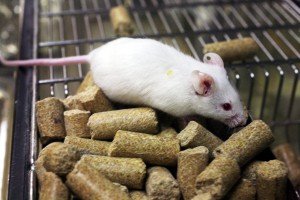
In the quiet corridors of modern research institutions, a growing movement of students and early-career scientists is challenging the status quo of laboratory animal usage. The debate centers on the ethics of animal testing, specifically the perceived waste of life in scientific research and the rigorous standards required to ensure that every animal used in an experiment serves a clear, justifiable purpose. As we navigate the complex landscape of medical innovation, the tension between the necessity of pre-clinical trials and the moral imperative of animal welfare has never been more pronounced.
At the heart of this discourse is the application of the “3Rs”—Replacement, Reduction, and Refinement—a framework established to guide the ethical conduct of research involving laboratory animals. For many in the academic community, the goal of ethical animal research management is to minimize the number of subjects used while maximizing the scientific yield. However, recent student-led initiatives have highlighted concerns that current practices may still result in unnecessary loss, prompting calls for greater transparency and stricter oversight in how research protocols are executed and monitored.
The call for reform is not merely a request for procedural change but a fundamental re-evaluation of how institutions approach laboratory animal welfare standards. By questioning the efficacy of traditional models and advocating for non-animal alternatives, these students are positioning themselves at the forefront of a global shift in scientific culture. This movement underscores a broader trend in European research, where adherence to the EU Directive 2010/63/EU on the protection of animals used for scientific purposes remains the definitive legal benchmark for all member states.
The Evolution of the 3Rs Framework
The 3Rs principle is the cornerstone of modern animal ethics. First proposed by W.M.S. Russell and R.L. Burch in 1959, the framework has been integrated into the regulatory systems of most developed nations. Replacement refers to methods that avoid or replace the use of animals; Reduction involves strategies that obtain comparable levels of information from fewer animals; and Refinement refers to methods that alleviate or minimize potential pain, suffering, or distress. In the European Union, the European Commission maintains that these principles are not optional but mandatory requirements for any institution conducting biomedical research.
Students advocating for change argue that “waste” occurs when research designs are underpowered or when experiments are duplicated unnecessarily. The scientific community often points to the complexity of biological systems—where a living organism is required to observe systemic interactions—as a defense for animal models. Yet, the push for more robust statistical power in animal studies is gaining momentum. Experts suggest that by improving the design of experiments, researchers can obtain statistically significant results with fewer subjects, thereby directly addressing the concerns regarding the inefficient use of animal life.
Addressing Allegations of Negligence
One of the more emotive aspects of this debate involves allegations regarding the care of animals during experimental protocols, such as food restriction or environmental stressors. In medical research, specific conditions are sometimes required to simulate disease states, such as metabolic disorders or caloric restriction studies. However, the international scientific community is governed by strict ethical review boards, known as Institutional Animal Care and Use Committees (IACUC) or equivalent bodies in Europe, which must approve every aspect of an experiment beforehand.
According to guidelines set by the Association for Assessment and Accreditation of Laboratory Animal Care (AAALAC), any deviation from established welfare protocols constitutes a serious breach of institutional policy. Students and activists are increasingly calling for these oversight bodies to be more transparent. They argue that if researchers are found to be failing in their duty of care—whether through negligence or poor study design—there must be clear mechanisms for reporting and accountability that extend beyond the internal walls of the university.
Key Takeaways for Stakeholders
- Transparency: Institutions are encouraged to provide clearer reports on the number of animals used and the specific purpose of the research.
- Alternative Methods: The development of organ-on-a-chip technology and advanced computer modeling is providing viable, non-animal pathways for drug testing.
- Reporting Mechanisms: Researchers have a professional obligation to report instances where animal usage did not yield the intended data to prevent future waste.
- Ethical Oversight: Independent review boards play a critical role in balancing scientific discovery with the ethical treatment of research subjects.
The Path Toward Modernization
The future of research, as envisioned by many current PhD candidates and researchers, lies in the integration of “New Approach Methodologies” (NAMs). These include, but are not limited to, in vitro cell cultures, human-derived organoids, and advanced artificial intelligence simulations that can predict toxicity or efficacy before a single animal is involved. The OECD continues to update its guidelines to include these non-animal methods, signaling a global shift toward a more ethical research paradigm.
However, the transition is not instantaneous. As an editor in the medical field, I have witnessed how deeply ingrained animal models are in the validation of life-saving treatments. The challenge for the next generation of scientists is to advocate for these advancements while maintaining the rigorous standards required to ensure patient safety in clinical trials. We see a delicate balance, one that requires open dialogue between students, senior researchers, and regulatory bodies.
Looking Ahead: The Role of Institutional Transparency
As this movement gains traction, One can expect to see more universities adopting “Openness Agreements” regarding animal research. These agreements, already active in countries like the United Kingdom and Spain, commit research institutions to be more open about how they use animals and why. This is a vital step in bridging the gap between public perception and the reality of scientific necessity.

The next major checkpoint in the European regulatory landscape involves the ongoing review of the EU Directive 2010/63/EU, where the Commission regularly assesses whether the current protections remain sufficient in light of technological advancements. For those interested in following this issue, the European Commission’s portal on the protection of animals used for scientific purposes serves as the primary hub for policy updates and public consultation opportunities.
As we move forward, the conversation must remain rooted in evidence and mutual respect. Science thrives on critique, and the questioning of established practices is, in itself, a hallmark of a healthy academic environment. Whether you are a student, a researcher, or a concerned member of the public, staying informed through official regulatory channels is the best way to contribute meaningfully to this essential discussion. We encourage our readers to share their perspectives on how we can best balance the pursuit of knowledge with the highest standards of ethical responsibility.
Keep reading