
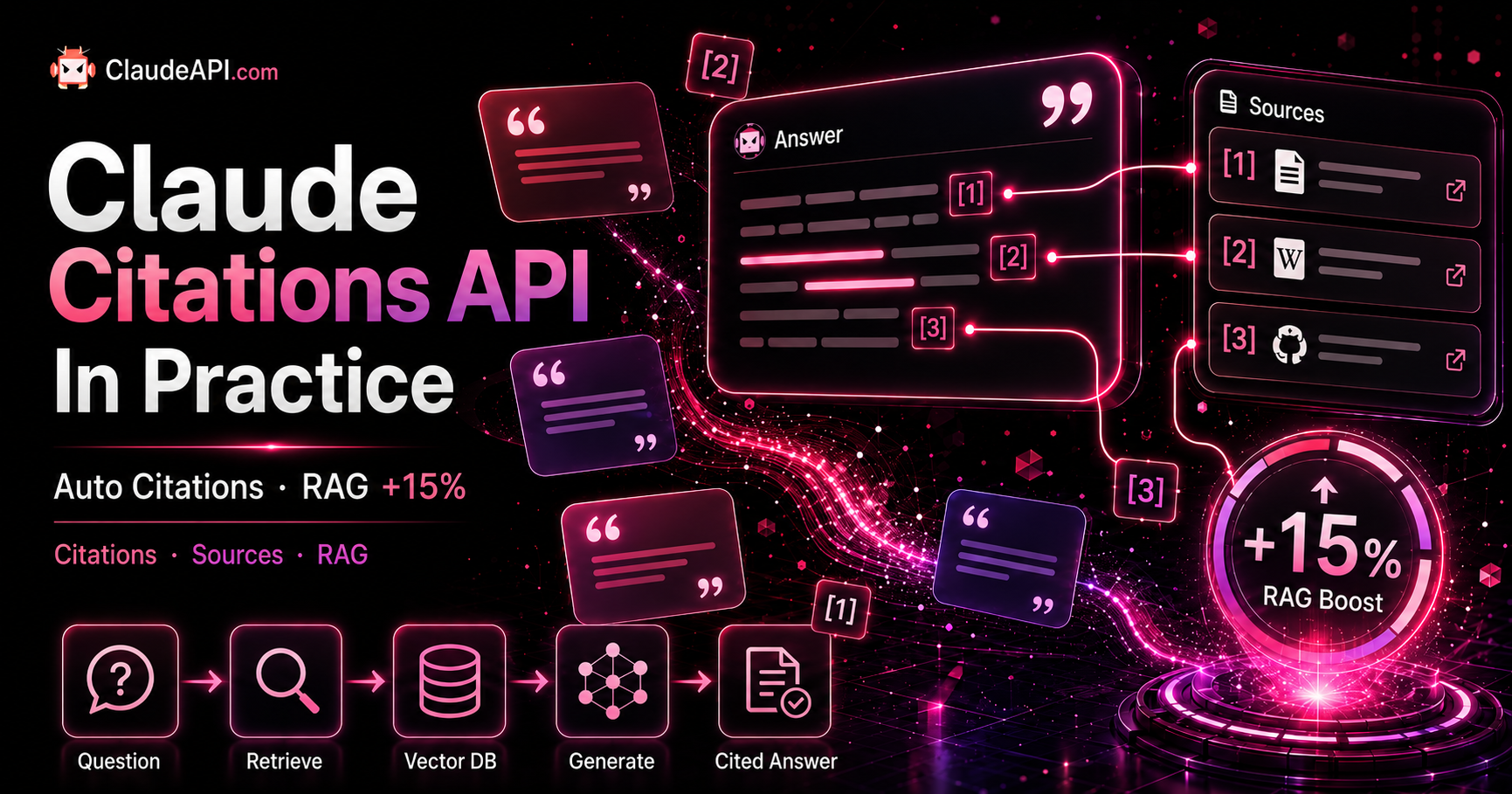
A recent analysis of AI citation patterns indicates that 79.2% of citations generated by the Claude artificial intelligence model originate from the top 10 domains indexed by Brave Search. This finding highlights the significant role that specific search engine indexes play in shaping the information landscape of large language models (LLMs). By relying on a concentrated pool of high-authority sources, AI models like Claude effectively prioritize content from established web publishers, potentially influencing how information is synthesized for global users.
The research, which examined the source attribution behavior of Anthropic’s Claude, underscores the interdependence between AI platforms and search infrastructure. When an AI model is configured to use search tools for real-time information retrieval, its output is fundamentally constrained by the index provided by the search engine. In this instance, the heavy reliance on the top 10 Brave Search results suggests that the model’s “knowledge” is filtered through a narrow lens of web authority, which impacts the diversity of information available to the end user.
The Role of Search Indexes in AI Outputs
Large language models do not possess an inherent, real-time understanding of the entire internet; instead, they function as sophisticated engines that process data provided to them during the inference process. When a user asks a question requiring current data, systems like Claude use retrieval-augmented generation (RAG) to pull information from external search indexes. According to technical documentation from Anthropic, the accuracy and relevance of these responses are directly tied to the quality of the retrieved context. If a search engine index is heavily weighted toward a specific set of high-ranking domains, the AI’s output will naturally reflect that bias.

The 79.2% figure identified in recent industry analysis points to a “winner-takes-all” dynamic in AI information retrieval. By favoring the top 10 results from Brave Search, the model minimizes the retrieval of information from long-tail or niche websites. This practice is standard in search-enabled AI, as developers aim to maximize the probability that the model retrieves high-quality, reliable, and verified information. However, this creates a feedback loop where established domains receive the majority of AI-driven traffic and citations, while smaller publishers may struggle to gain visibility within AI-mediated search environments.
Implications for Content Creators and SEO
For digital publishers and SEO professionals, these findings necessitate a shift in strategy. The traditional goal of ranking on the first page of Google is increasingly merging with the goal of being included in the “top 10” indexes used by AI models. As noted by industry analysts, the visibility of a website in an AI-powered answer is now contingent upon its authority within the specific search index the AI utilizes. If a domain is not part of the top tier of an index, it is statistically less likely to be cited by models like Claude.

This development has several practical consequences for website owners:
- Domain Authority Matters More: AI models prioritize sites with high domain authority, as these are viewed as more reliable sources of truth.
- Citation Bias: Because models prioritize the top 10 results, the “citation gap” between top-tier publishers and everyone else is widening.
- Search Index Diversification: Publishers must consider how their content is indexed across different search engines, not just the dominant market players, as AI providers often partner with various search infrastructure companies.
According to data from Brave Search, their index is built independently of Big Tech, focusing on privacy and neutrality. Despite this, the concentration of citations in the top 10 results remains a structural reality of how LLMs process information. The model is essentially performing a “top-n” selection, where it truncates the search results to manage computational costs and maintain response quality, which inadvertently reinforces existing search hierarchies.
What Comes Next for AI Transparency
The concentration of AI citations is not merely an SEO issue; it is a matter of information transparency. As AI models become primary interfaces for information discovery, the criteria used to select which sources are cited will become a focal point for researchers and regulators. Currently, there is no standardized requirement for AI companies to disclose the weighting or the specific search indices used to generate citations, though this is expected to change as digital literacy and AI governance frameworks evolve.

For users, the takeaway is clear: AI-generated answers are not exhaustive summaries of all human knowledge. They are curated selections based on the top-ranking results of specific search engines at a specific moment in time. Users seeking comprehensive information should remain aware that these models are designed for efficiency, which often comes at the expense of breadth. As the industry matures, further studies will likely emerge to clarify how these citation patterns change as models are updated and search indexes grow.
Future updates to Claude and other LLMs will likely introduce more nuanced retrieval mechanisms, such as semantic reranking, which could broaden the range of sources cited. Until then, the reliance on top-tier search results remains the primary driver of AI-generated content. For those interested in monitoring these trends, official updates from Anthropic regarding model capabilities and search tool integration provide the most reliable baseline for understanding how these technologies evolve. Have you observed changes in how AI platforms cite your own work or industry news? Share your findings in the comments below.