Artists have transformed the coastline of Rab island, Croatia, into a temporary outdoor gallery by constructing giant sea animals from sand during the annual Festival of Sand Sculptures. The event features large-scale marine life installations created by professional and amateur sculptors, designed to draw visitors to the island’s beaches while highlighting the beauty of the Adriatic ecosystem.
The Festival of Sand Sculptures on Rab focuses on the theme of marine biodiversity, with artists utilizing specialized sand-compacting techniques to build towering figures of whales, dolphins, and various fish. According to local tourism reports from the Official Rab Island Tourism portal, these exhibitions serve as a seasonal attraction that integrates art with environmental awareness, turning public beach spaces into immersive installations.
Because the medium is ephemeral, the sculptures are subject to natural erosion from wind and tides. This temporary nature is a core element of the festival’s appeal, emphasizing the fleeting relationship between art and the natural environment.
How are the giant sand sculptures created?
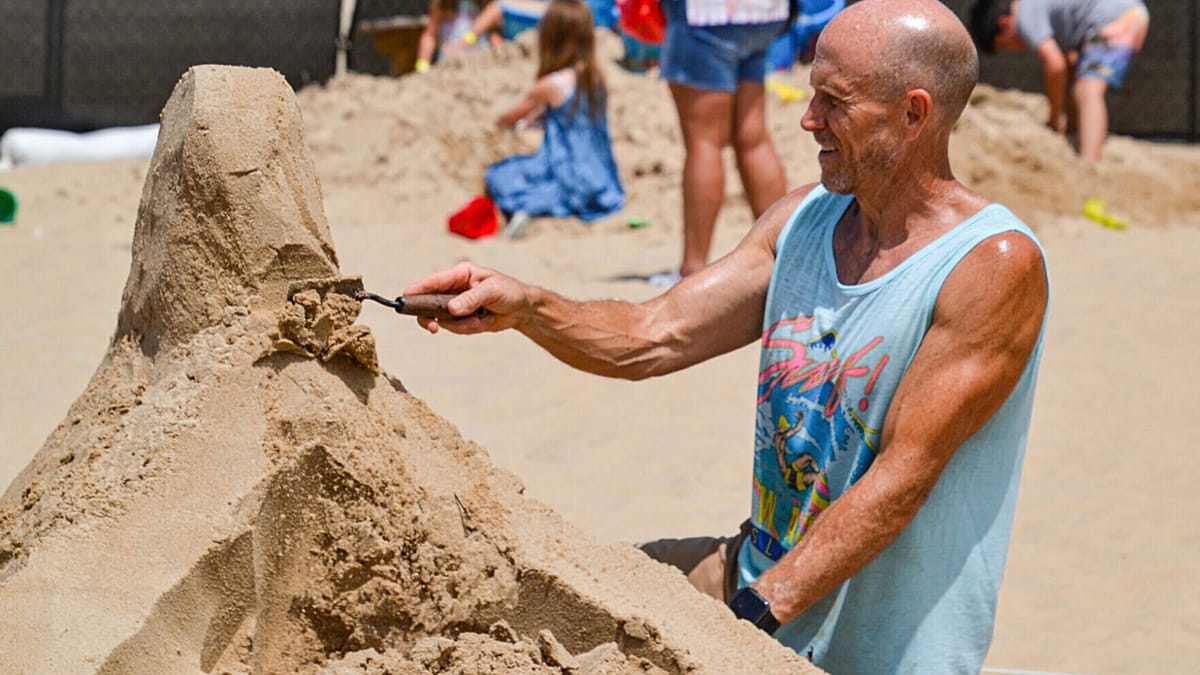
The construction of these large-scale marine animals requires more than traditional beach buckets. Sculptors use a process called “compacting,” where sand is layered into heavy-duty wooden forms or “cofferdams” and saturated with water to create a dense, concrete-like block. Once the sand is compressed, artists carve the shapes of sea creatures from the top down, using palette knives and brushes for fine detailing.

The structural integrity of the giant sea animals depends on the moisture content of the sand. According to technical guides for professional sand sculpting, the ideal ratio of water to sand is critical to prevent the sculptures from collapsing under their own weight, especially when creating the overhanging fins or tails characteristic of marine life.
Why is the Festival of Sand Sculptures held on Rab island?
Rab island is selected for the festival due to its unique geography and the quality of its sandy shores, particularly around the town of Rab and the surrounding bays. The event is designed to extend the tourist season and promote the island as a cultural destination beyond its traditional beaches and forests. By focusing on marine animals, the festival aligns with the regional goal of promoting the preservation of the Adriatic Sea.

The exhibition functions as a public art gallery, allowing visitors to walk among the sculptures without admission fees. This accessibility encourages a broader demographic of tourists to engage with the island’s coastal landscape.
What impact does the exhibition have on local tourism?
The presence of the giant sand animals creates a visual landmark that attracts photography enthusiasts and families. Local hospitality businesses on Rab island report increased foot traffic during the festival window, as the sculptures serve as a “destination” draw that encourages visitors to explore different parts of the coastline.
The environmental theme of the sculptures also serves as an educational tool. By depicting endangered or iconic marine species, the festival prompts discussions on ocean conservation and the impact of pollution on the Mediterranean habitat.
For those planning a visit to the region, official schedules and event dates are typically updated through the Official Croatia Tourism board, which manages the promotion of regional cultural festivals across the archipelago.
The next confirmed cycle for the festival’s installations typically aligns with the peak summer tourism season in Croatia. Visitors are encouraged to check local municipal notices for the exact dates of the upcoming exhibition to ensure the sculptures are fully completed before arrival.
Do you have experience visiting sand art festivals or traveling to the Croatian coast? Share your thoughts and photos in the comments below.