Witness the Celestial Fishhook: Unveiling the Summer Triangle Through Hawaiian Eyes
As summer unfolds in the Northern Hemisphere, a familiar sight graces the evening sky: the Summer Triangle. This prominent asterism, formed by the brilliant stars Deneb, Vega, and Altair, appears low in the west shortly after dark.but beyond its Western name, this celestial landmark holds a rich cultural meaning for the people of hawaii, offering a beautiful example of how astronomy intertwines with storytelling and tradition.
A Dual Heritage: Mānaiakalani and Ua ‘Ōhi’a Lani
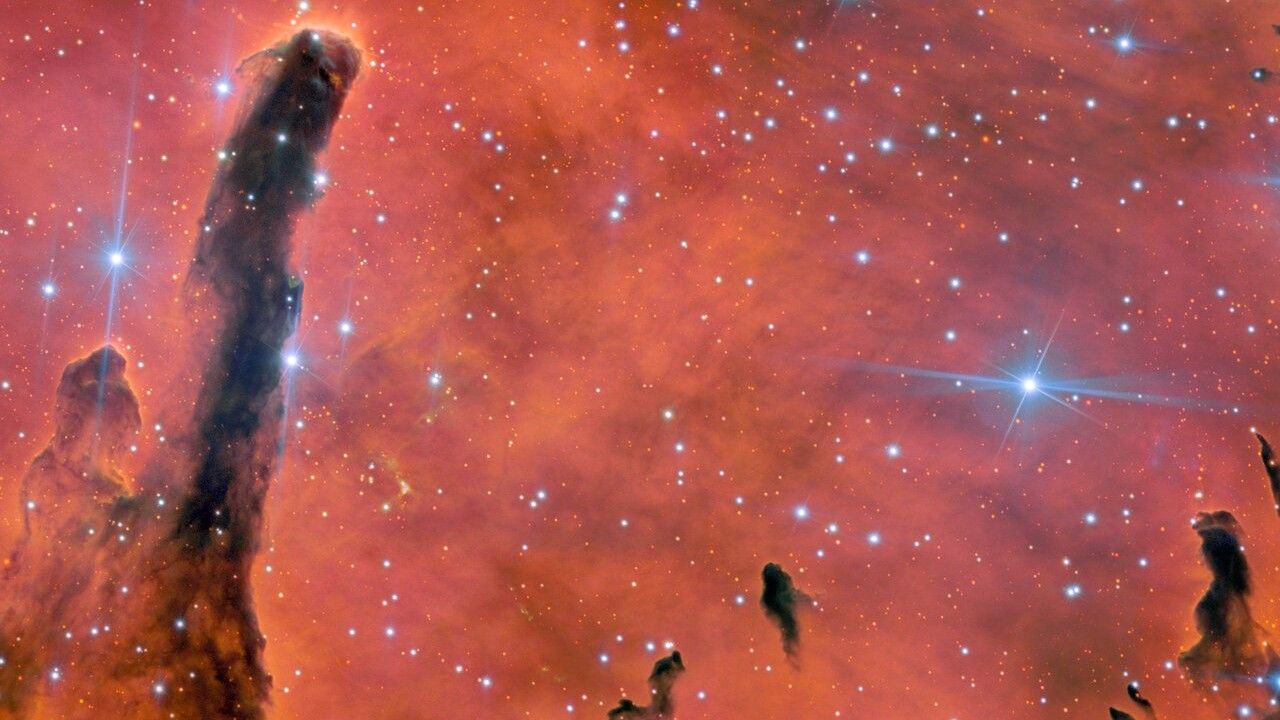
For generations, the summer Triangle has been known in Hawaii as Mānaiakalani, the Great Fishhook of Maui. This name evokes the legendary demigod Maui, a central figure in Polynesian mythology known for his incredible feats. Recently, a stunning new image of a nebula within the Summer Triangle has been given a further, poetic Hawaiian name: Ua ‘Ōhi’a Lani, meaning the heavenly ‘Ōhi’a Rains.
This evocative title was bestowed by four talented high school students participating in the University of Hawaii’s Project Hōkūlani summer internship. Their contribution beautifully illustrates the ongoing collaboration between modern science and traditional Hawaiian knowledge.
Capturing the Crimson Glow: The Gemini North Telescope
The breathtaking image revealing Ua ‘Ōhi’a Lani was captured by the Gemini North telescope. Situated on the summit of Maunakea, a dormant shield volcano on the Big Island of Hawaii, this observatory is one of thirteen major telescopes benefiting from the exceptionally clear and dark skies.
However, Gemini North isn’t alone. It’s part of the International Gemini Observatory, which also includes gemini South, located in the Chilean Andes. Together, these twin 8-meter telescopes provide astronomers with access to nearly the entire night sky, offering a comprehensive view of the cosmos. Gemini South achieved “first light” in November 2000, complementing the capabilities of Gemini North, which began operations in June 1999.
The Story Behind the Color: Pele and the ’Ōhi’a Tree
The image itself is striking, awash in shades of crimson and red. This vibrant hue isn’t merely aesthetic; it’s a direct result of the abundance of hydrogen gas within the nebula. According to Hope Arthur, one of the Gemini interns, the color is reminiscent of lava, connecting the image to pele, the powerful hawaiian goddess of volcanoes and fire.
This connection runs deeper than just color.The name Ua ‘Ōhi’a Lani draws inspiration from the poignant Hawaiian legend of ‘Ōhi’a and Lehua. This story speaks of regrowth after loss and the promise of new beginnings - themes that resonate with the cyclical nature of stellar life, death, and rebirth.
Rain and Rebirth: A Symbolism of Renewal
Iolani Sanches, another University of Hawaii intern, further explained the symbolism.The baby blue stars within the image reminded the team of rain. in the tale of ‘Ōhi’a and Lehua, it’s said that when the vibrant lehua blossoms are picked, rain will fall. This connection reinforces the theme of renewal and the interconnectedness of life, death, and regeneration.
Observing the Summer Triangle Yourself
You don’t need a powerful telescope to experience the beauty of the Summer Triangle. Here’s how to find it:
* Look West: After sunset, turn your gaze towards the western horizon.
* Identify Vega: Begin by locating Vega, the brightest star in the constellation Lyra. It’s a brilliant, bluish-white point of light.
* Find Deneb and Altair: From vega, look to the east. You’ll find Deneb, a fainter but still shining star in the constellation Cygnus (the Swan). Then, look to the south of Vega to spot Altair, a bright, white star in the constellation Aquila (the Eagle).
* Connect the Dots: Imagine lines connecting these three stars - Vega, Deneb, and Altair – to form a large, prominent triangle.
This summer, as you gaze upon the Summer triangle, remember its dual identity: a familiar asterism to many