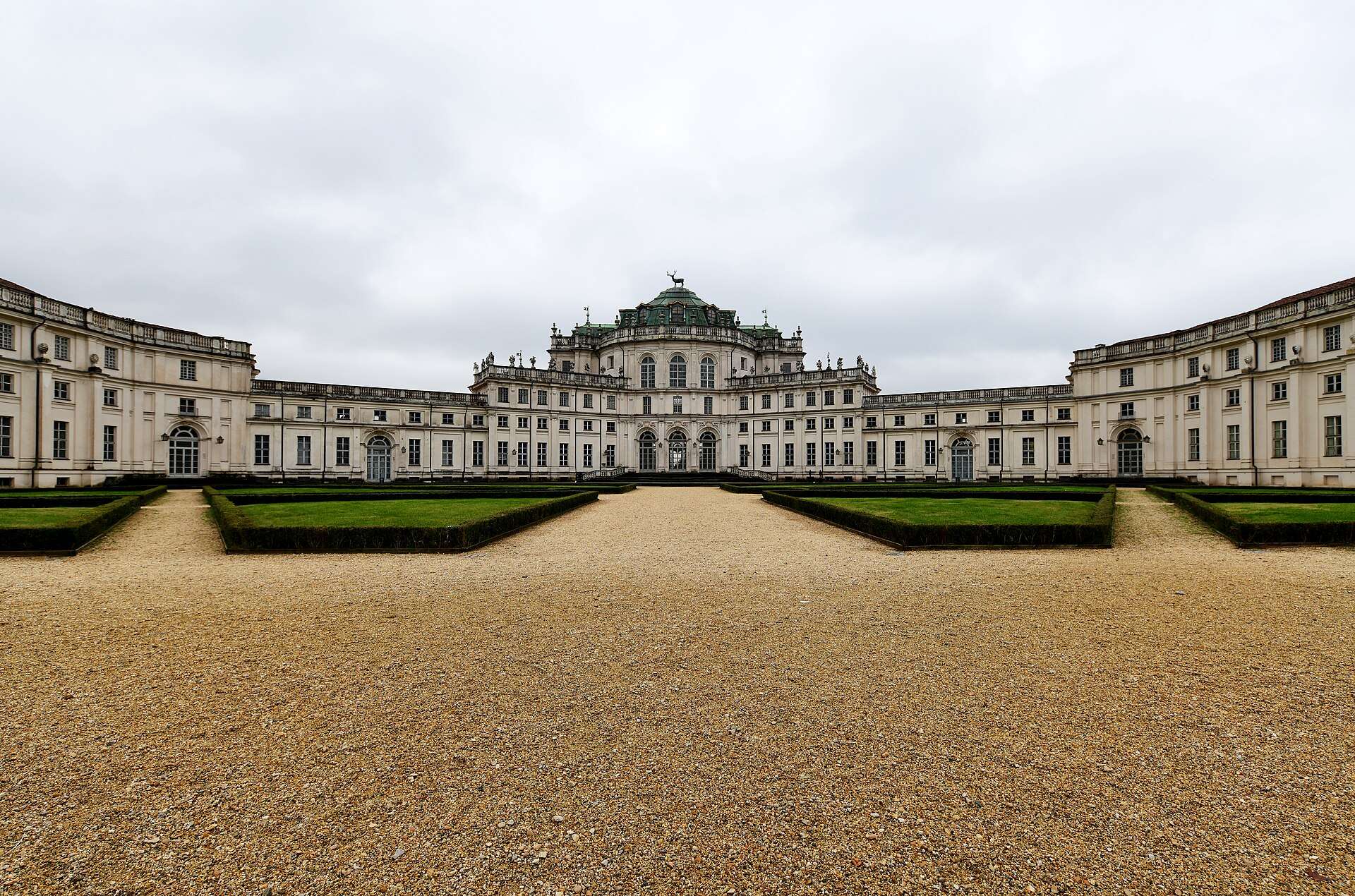
Stupinigi, Italy – A fascinating exhibition currently on display at the Palazzina di Caccia di Stupinigi offers a compelling glimpse into the dawn of modern mobility. “Sulle strade della Regina. Alle origini dell’automobile moderna” – “On the Queen’s Roads. The Origins of the Modern Automobile” – charts the evolution from horse-drawn carriages to the earliest automobiles, a pivotal transition that reshaped society and travel. The exhibition, running until June 28th, 2026, presents a unique juxtaposition of elegance and innovation, showcasing the craftsmanship of the 19th century alongside the burgeoning technological advancements of the early 20th.
The Palazzina di Caccia di Stupinigi, a UNESCO World Heritage site and a stunning example of Baroque architecture, provides a fitting backdrop for this exploration of history. The exhibition is a collaborative effort between the Fondazione Ordine Mauriziano and the Museo Nazionale dell’Automobile (National Automobile Museum), bringing together collections to tell a comprehensive story of automotive development. This partnership allows for a rare and insightful comparison between the refined world of carriages and the experimental spirit of the first motorcars. The exhibition isn’t simply a display of vehicles; it’s a window into a period of profound cultural and technological change, a time when the very concept of travel was being redefined.
A Dialogue Between Eras
The exhibition, housed within the Citroniera di Ponente, features nine historical carriages from the Nicolotti Furno collection and eleven automobiles from the early years of motoring. This carefully curated selection allows visitors to observe the tangible transformation of mobility. The layout of the exhibition is designed to foster a visual dialogue between these two distinct eras, highlighting the contrast between the formal sophistication of carriage design and the nascent, often experimental, lines of early automobiles. The exhibition emphasizes how technical innovations, latest materials and evolving cultural norms collectively drove this shift in how people moved.
The carriages on display represent an era where travel was a ritual, a statement of social standing. These horse-drawn vehicles were often custom-built for affluent families, embodying prestige and status. The automobiles, conversely, signaled a new era of independence and speed, though still largely the domain of the wealthy. The contrast isn’t merely aesthetic; it reflects a fundamental change in the relationship between people and their means of transportation. The exhibition thoughtfully presents this evolution, allowing visitors to appreciate both the artistry of the past and the ingenuity of the future.
From Horsepower to Mechanical Power
Among the automobiles featured is the Benz Victoria, designed by Karl Benz, a pioneer widely recognized as one of the inventors of the modern automobile. Britannica details Benz’s pivotal role in developing the first gasoline-powered automobile. Alongside this landmark vehicle, the exhibition showcases the Oldsmobile Curved Dash, considered the first mass-produced automobile, and examples of early Italian automotive engineering, including the Fiat Tipo Zero, one of the first utilitarian vehicles produced by the Turin-based manufacturer. These vehicles represent not just technological milestones, but also the beginnings of a new industry and a new way of life.
The Fiat Tipo Zero, introduced in 1899, was a significant step towards making automobiles accessible to a wider audience. Fiat History details the car’s innovative design and its role in establishing Fiat as a major player in the automotive industry. The inclusion of both foreign and Italian models underscores the international nature of this technological revolution. The exhibition doesn’t shy away from showcasing the experimental nature of these early vehicles, highlighting the challenges faced by engineers and designers as they navigated uncharted territory.
Queen Margherita and the Dawn of Motoring
The narrative of the exhibition is interwoven with the story of Queen Margherita of Savoy, wife of King Umberto I and the first Queen of a unified Italy. Queen Margherita was a frequent visitor to Stupinigi and demonstrated a keen interest in technological advancements. She embraced both traditional carriages and the emerging world of automobiles, embodying the transition of the era. Remarkably, she was among the first Italian women to obtain a driver’s license and maintained a collection of thirteen automobiles, each named after a bird. This personal connection adds a unique dimension to the exhibition, illustrating how even royalty was captivated by the allure of the automobile.
Queen Margherita’s enthusiasm for automobiles wasn’t merely a matter of personal interest; it reflected a broader societal shift. The automobile represented modernity, progress, and a break from tradition. Her adoption of this new technology helped to normalize its presence and pave the way for its wider acceptance. The exhibition cleverly uses this personal narrative to humanize the story of automotive innovation, making it more relatable and engaging for visitors.
Practical Information for Visitors
“Sulle strade della Regina. Alle origini dell’automobile moderna” remains open to the public until Sunday, June 28th, 2026, within the Citroniera di Ponente at the Palazzina di Caccia di Stupinigi. Opening hours are Tuesday through Friday from 10:00 AM to 5:30 PM (last entry at 5:00 PM), and Saturday, Sunday, and holidays from 10:00 AM to 6:30 PM (last entry at 6:00 PM). The Fondazione Ordine Mauriziano provides detailed information on visiting the Palazzina di Caccia di Stupinigi on their website: https://www.ordinemauriziano.it/palazzina-stupinigi/.
The Museo Nazionale dell’Automobile is also organizing special events in conjunction with the exhibition, including short guided tours of the historical park aboard vintage vehicles such as the Fiat 500C Belvedere and the Fiat 508 Balilla. These tours, led by museum experts, are scheduled for Fridays, March 27th (2:30 PM – 3:30 PM and 5:30 PM – 6:30 PM), April 10th, April 24th, May 8th, May 22nd, June 5th (all from 4:00 PM to 6:30 PM), and June 19th (from 3:00 PM to 5:30 PM). These tours offer a unique opportunity to experience the historical setting in a truly immersive way.
Key Takeaways
- The exhibition provides a fascinating comparison between the elegance of horse-drawn carriages and the innovation of early automobiles.
- Queen Margherita of Savoy’s personal interest in automobiles highlights the societal shift towards embracing new technologies.
- The collaboration between the Fondazione Ordine Mauriziano and the Museo Nazionale dell’Automobile brings together significant collections for a comprehensive historical overview.
- Visitors can enjoy guided tours in vintage vehicles, offering an immersive experience of the era.
As the exhibition nears its closing date, it offers a compelling opportunity to reflect on the transformative power of innovation and the enduring legacy of the automobile. The Palazzina di Caccia di Stupinigi continues to serve as a cultural hub, preserving history and inspiring future generations. For those planning a visit, be sure to check the official websites for the most up-to-date information on opening hours and special events. We encourage readers to share their experiences and thoughts on this captivating exhibition in the comments below.
Related reading