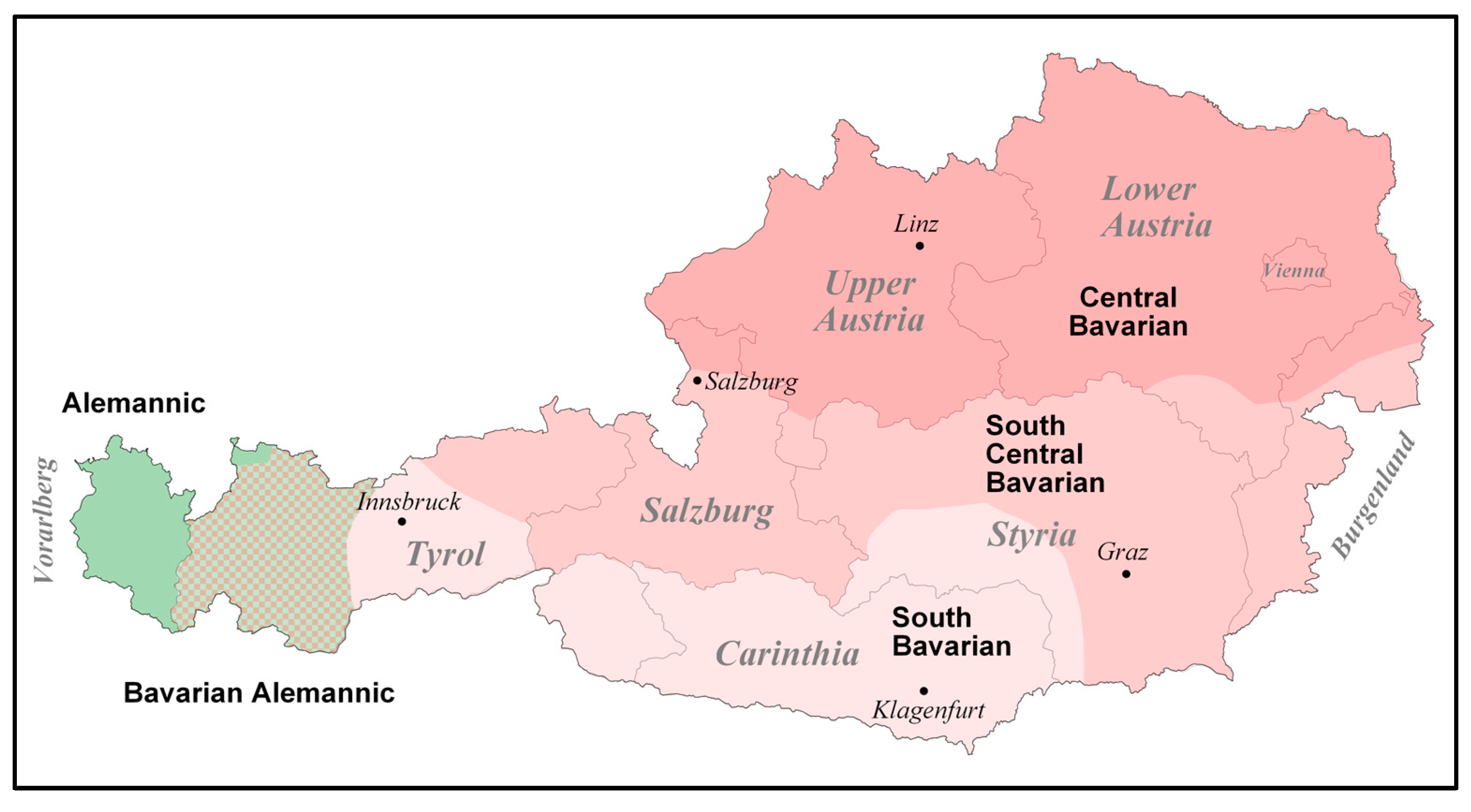
Language is often the most invisible yet potent barrier between regions, even within a single country. In Austria, this is vividly illustrated when the rural, hearty dialect of Styria meets the polished urbanity of Vienna. This cultural and linguistic collision takes center stage during the annual Steiermark-Frühling, a celebration where regional identity is served alongside traditional cuisine.
The upcoming 27th edition of the Steiermark-Frühling is scheduled to take place from April 8 to April 12, 2026, at the Wiener Rathausplatz in Vienna. For a few days, the heart of the capital is transformed into a “Steirerdorf,” bringing the traditions, sounds, and often baffling vocabulary of the “Green Heart of Austria” to the city’s residents and international visitors.
Among the many attractions is the inevitable linguistic friction. When Styrian terms—such as the evocative “Fotzpemperer”—hit Viennese ears, the result is frequently a mixture of confusion, wild guesses, and shared laughter. This gap in understanding highlights the deep-seated regional distinctions that persist in Austrian culture, turning a simple conversation into a moment of comedic discovery.
A Linguistic Bridge at the Wiener Rathausplatz
The Steiermark-Frühling, also known as the “Steirerwoche,” serves as more than just a tourism fair; it is a sensory exhibition of Styrian life. From Wednesday to Sunday, the event invites the public to experience the authentic customs of the south. While the event is free to attend, the real value lies in the cultural exchange that occurs between the visiting Styrians and the local Viennese population at the Rathausplatz.
The phenomenon of “lost in translation” becomes a feature of the festival. The dialect of Styria is known for its distinct cadence and specific vocabulary that can leave even native German speakers from other regions perplexed. This linguistic playfulness is a core part of the festival’s charm, where the effort to decode a regional term becomes a social activity in itself.
Culinary and Cultural Highlights of 2026
Beyond the dialect, the festival offers a comprehensive look at the diversity of Styria’s 11 experience regions. Visitors can sample a wide array of regional specialties, ranging from the traditional Brettljause to Steirakasspätzle. A staple of the event is the presentation of the region’s world-famous pumpkin seed oil, alongside various other local meats and beverages during the Steirerwoche.
The program is designed to appeal to all ages, blending traditional customs with modern entertainment. Key activities include:
- Traditional Customs: Demonstrations of “Blochziehen” (log pulling) and interactive yodeling courses.
- Musical Variety: A spectrum of sound featuring everything from classic folk music to contemporary “Steirerpop.”
- Family Programming: A broad range of entertainment specifically curated for children.
Tourism and the “Radseite” of Styria
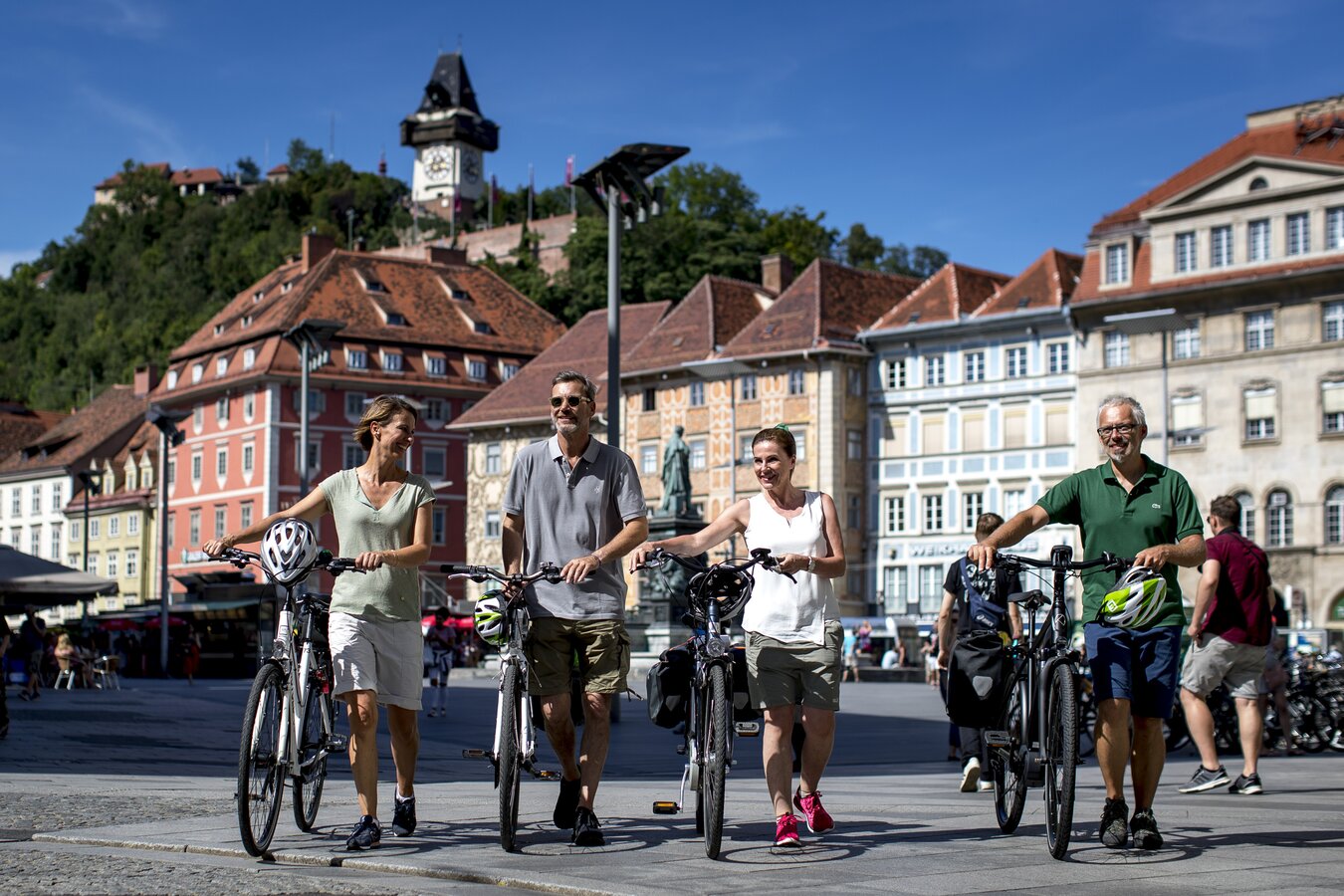
The 2026 event places a significant emphasis on active tourism. Specialists from across the province will be on hand to provide guidance for cycling enthusiasts. Whether the interest is in leisure cycling, mountain biking, trekking, or road cycling, the festival aims to showcase the “cycling side” of the region. To incentivize travel, the “Urlaubs-Glücksrad” (Holiday Wheel of Fortune) offers visitors the chance to win one of nine holidays across the nine different regions of Styria.
Event Schedule and Visitor Information
For those planning to attend, the event follows a structured opening schedule to accommodate both the official launch and daily visitors. The 2026 dates and times are as follows:
| Date | Opening Time | Note |
|---|---|---|
| April 8, 2026 | 17:45 | Pre-opening admission starts at 17:00 |
| April 9, 2026 | 10:30 | General Opening |
| April 10, 2026 | 10:00 | General Opening |
| April 11, 2026 | 10:00 | General Opening |
| April 12, 2026 | 10:00 | General Opening |
The event is managed by the Steirische Tourismusmarketing GmbH, ensuring that the representation of the 11 regions is both authentic and comprehensive. For those seeking further details or direct contact, the organizers can be reached via their official channels at [email protected].
The next major milestone for the event will be the official opening on April 8, 2026, at 17:45. We invite our readers to share their own experiences with regional dialects or their favorite Austrian traditions in the comments below.
Related reading