
Borrowers across the Eurozone are facing a transition in monetary policy as the European Central Bank (ECB) shifts away from a decade of record-low interest rates. As the central bank adjusts its policy stance to curb inflation, the cost of servicing variable-rate mortgages is rising, prompting financial analysts to advise homeowners to evaluate the benefits of locking in fixed rates before further increases take effect.
The shift follows a sustained period of accommodative policy that saw interest rates remain at or near zero, a strategy implemented to stimulate economic growth following the 2008 financial crisis and the subsequent sovereign debt challenges. According to the European Central Bank’s official policy announcements, the governing council has moved to normalize rates to bring inflation back toward its 2% medium-term target. This pivot marks the end of an era for European debtors who had grown accustomed to negative or near-zero Euribor rates.
The Mechanics of Rising Mortgage Costs
For most homeowners with variable-rate mortgages, the monthly payment is pegged to the Euribor—the interest rate at which European banks lend to one another. When the ECB raises its base rates, the cost of interbank lending increases, which is then passed on to consumers through their mortgage contracts. Financial analysts note that the impact is immediate for those on variable plans, as their next payment adjustment will reflect the higher market rates.
Data from the European Money Markets Institute indicates that the Euribor has moved significantly upward since the ECB began its tightening cycle. Homeowners currently on variable-rate plans are advised to review the terms of their mortgage agreements to determine if converting to a fixed-rate product offers long-term stability. The decision to switch often involves evaluating the current “break-even” point, where the security of a fixed payment outweighs the potential—albeit currently unlikely—scenario of rates falling again in the near term.
Evaluating Fixed vs. Variable Rates
Choosing between a fixed and variable mortgage is a calculation of risk tolerance. A fixed-rate mortgage provides certainty, ensuring that monthly outlays remain constant regardless of central bank policy shifts. However, this stability often comes with a higher initial interest rate compared to a variable plan. Conversely, while a variable-rate mortgage may currently appear cheaper, it leaves the borrower fully exposed to future hikes.
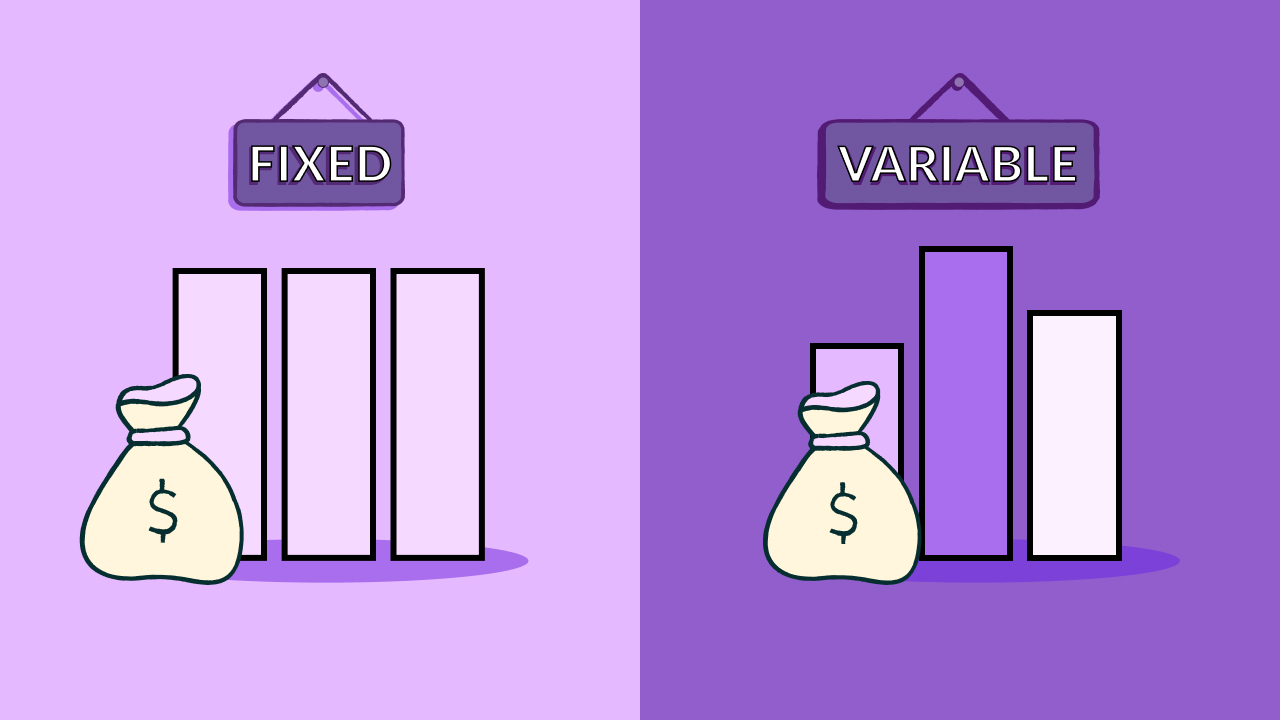
According to reports from the European Commission’s economic analysis units, the current interest rate environment is the most volatile seen since the 2008 financial crisis. Financial advisors typically suggest that for those who have a low tolerance for payment fluctuations, locking in a fixed rate serves as an insurance policy against further monetary tightening. For others, the decision depends on the remaining term of the loan and their ability to absorb potential increases in monthly debt service.
What Lies Ahead for Debtors
The trajectory of mortgage costs remains tethered to the ECB’s inflation forecasts. The central bank has stated that its future decisions will remain data-dependent, meaning that if inflation remains sticky, further rate adjustments may be required. The current key ECB interest rates serve as the primary indicator for where the market is heading. Borrowers should monitor the bank’s scheduled Governing Council meetings, where adjustments to the deposit facility and main refinancing operations are discussed.
As the market adjusts to this new cycle, transparency from lenders is essential. Borrowers are encouraged to contact their financial institutions to request a summary of their current loan terms and to explore options for renegotiation. Many banks offer internal mechanisms to convert products, though these may involve administrative fees or changes to the loan’s duration.
The next major checkpoint for Eurozone monetary policy will be the upcoming ECB Governing Council meeting, where officials will provide updated assessments on price stability and economic growth. Homeowners are advised to consult with independent financial planners to assess their specific debt structures. We welcome your thoughts on how these policy shifts are affecting your household finances; please share your perspective in the comments section below.
Keep reading