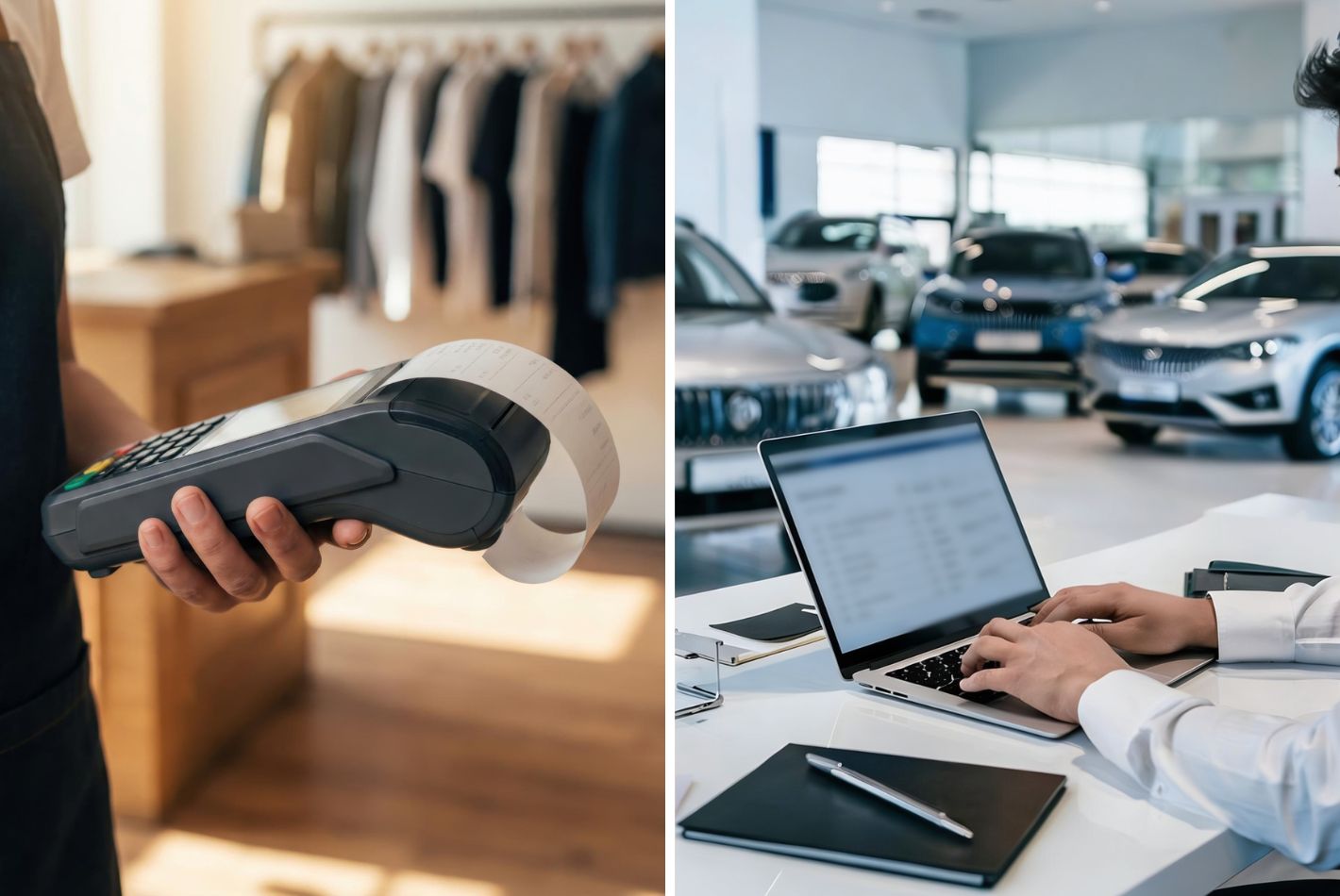
France’s retail sector is facing its deepest downturn in more than a decade, with business confidence plummeting to levels not seen since September 2014—before the pandemic upended global commerce. New data from the Institut National de la Statistique et des Études Économiques (Insee), the country’s official statistics agency, reveals a sharp deterioration in the retail sector’s climate of business, signaling growing economic strain for merchants, investors, and consumers alike. This decline comes as inflation remains elevated, household spending tightens, and geopolitical uncertainties weigh on consumer sentiment.
The latest Insee survey, covering May 2026, confirms that the retail sector’s confidence index has reached its lowest point since September 2014, excluding the extraordinary disruptions caused by the COVID-19 pandemic. While the broader economy shows mixed signals—with some sectors like construction and industry reporting slight improvements—retail remains a glaring outlier. The data underscores a sector grappling with persistent challenges, from rising operational costs to shifting consumer behaviors in a post-pandemic world.
For Dr. Helena Fischer, Editor of Health at World Today Journal, the implications extend beyond economics. “When retail confidence collapses, it’s often a leading indicator of broader economic stress,” she notes. “For public health, this means increased pressure on social services, mental health resources, and even healthcare access as job insecurity rises. The ripple effects are far-reaching, touching every corner of society.”
Why Is Retail Confidence at a Decade-Low?
The May 2026 Insee report highlights several key factors behind the retail sector’s downturn:
- Inflationary pressures: Consumer prices in France rose by 2.2% year-over-year in April 2026, eroding purchasing power and forcing households to cut back on discretionary spending. The Insee data shows that nearly 60% of built-up surfaces in France are dedicated to individual housing, but rising living costs are squeezing retail activity in urban and suburban areas alike.
- Consumer caution: The Insee’s climate of business surveys indicate that retail managers are increasingly pessimistic about near-term prospects. The sector’s confidence index has not only fallen to its lowest level since 2014 but also reflects a broader trend of declining optimism across Europe, where similar reports from national statistical agencies paint a picture of economic uncertainty.
- Structural shifts: The pandemic accelerated changes in shopping habits, with online retail and hybrid models gaining ground. Traditional brick-and-mortar stores, particularly in the automotive and general retail sectors, are struggling to adapt. Insee’s data shows that while some sectors like wholesale trade have seen slight improvements, retail remains a laggard.
Who Is Affected—and How?
The retail sector’s decline has direct consequences for millions of workers, small business owners, and local communities. According to Insee’s labor market reports, unemployment in France rose to 8.1% in the first quarter of 2026, with retail employment particularly vulnerable. Small and medium-sized enterprises (SMEs), which dominate France’s retail landscape, are especially at risk. The Sirene business registry, managed by Insee, lists over 32 million establishments in France, many of which are family-owned retail businesses facing existential threats.

For consumers, the impact is felt in the form of reduced product availability, higher prices, and limited access to services. The Insee data also reveals that tourist accommodation occupancy rose by just 1.0% in the first quarter of 2026, suggesting that discretionary spending on travel and leisure remains subdued. Meanwhile, the construction sector—another key economic driver—has seen a slight improvement in business confidence, but this has not yet translated into meaningful relief for retail.
What Does This Mean for the Broader Economy?
Retail is a barometer of economic health, and its decline is a warning sign for policymakers, and economists. The Insee’s latest economic analyses suggest that the downturn in retail confidence is not isolated. While sectors like industry and services have shown resilience, the retail sector’s struggles reflect deeper challenges, including:
- Supply chain disruptions: Ongoing geopolitical tensions and logistical bottlenecks continue to disrupt inventory management and pricing strategies.
- Labor shortages: The retail sector remains one of the hardest-hit industries in France’s ongoing labor market challenges, with Insee data indicating persistent difficulties in filling positions.
- Regulatory uncertainty: Changes in tax policies, zoning laws, and environmental regulations are adding layers of complexity for retailers already under pressure.
Dr. Fischer emphasizes that the public health implications cannot be ignored. “Economic stress leads to increased demand for mental health services, food insecurity programs, and emergency healthcare,” she explains. “When retail jobs are lost, it’s not just about unemployment figures—it’s about families struggling to afford basic necessities, children missing meals, and communities facing higher rates of chronic stress-related illnesses.”
What’s Next for Retail in France?
The path forward remains uncertain, but several trends could shape the sector’s trajectory in the coming months:

- Policy responses: The French government may introduce targeted measures to support retail SMEs, including tax incentives, subsidies, or labor market reforms. However, no concrete proposals have been announced as of May 2026.
- Technological adaptation: Retailers that successfully integrate digital tools—such as AI-driven inventory management, personalized marketing, and omnichannel strategies—may gain a competitive edge.
- Consumer behavior shifts: If inflation continues to ease, consumer confidence could gradually recover, benefiting retailers that can demonstrate value and innovation.
The next Insee climate of business report, scheduled for June 2026, will be closely watched for signs of stabilization or further decline. Until then, retailers, investors, and policymakers will be monitoring key indicators, including:
- Inflation trends and their impact on consumer spending.
- Unemployment rates, particularly in retail-dependent regions.
- Government announcements on economic stimulus or sector-specific support.
Key Takeaways
- France’s retail sector confidence has hit a decade-low, excluding the COVID-19 pandemic period, according to Insee data.
- The downturn is driven by inflation, consumer caution, and structural shifts in shopping habits.
- Over 32 million business establishments are registered in France, many of which are retail SMEs facing existential risks.
- Unemployment in France rose to 8.1% in Q1 2026, with retail employment particularly vulnerable.
- Public health systems may face increased demand as economic stress rises.
- The next critical data point will be Insee’s June 2026 climate of business report.
As France’s retail sector navigates this challenging period, stakeholders from merchants to policymakers will need to collaborate on solutions that address both immediate financial pressures and long-term structural issues. For consumers, the message is clear: economic uncertainty demands vigilance, from budgeting to advocacy for policies that support local businesses and protect household incomes.
What are your experiences as a consumer or retailer in France’s current economic climate? Share your thoughts in the comments below, and don’t forget to follow World Today Journal for ongoing coverage of this developing story.
Keep reading