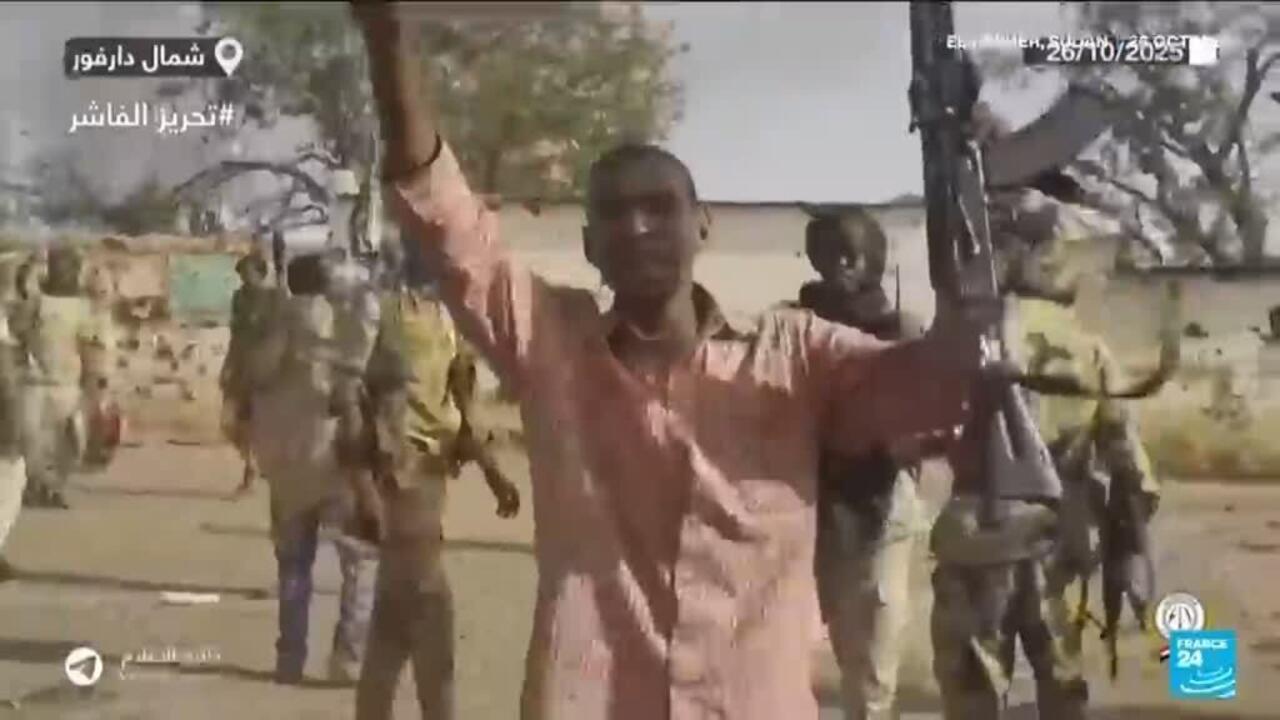
Sudan‘s Al-Fasher: investigating alleged Atrocities and the Looming Threat of Genocide
The escalating conflict in Sudan, particularly within the city of Al-Fasher, has triggered a critical response from the international community. Recent developments signal a potential turning point, with a united Nations Human Rights Council order initiating investigations into alleged atrocities. Understanding the complexities of this crisis – and the potential for widespread human rights violations – is paramount. This article delves into the situation in Al-Fasher,examining the allegations,the UN’s response,and what this means for the future of Sudan.
The crisis in Al-Fasher: A City Under Siege
Al-Fasher, the capital of North darfur, has become a focal point of the brutal conflict between the Sudanese Armed Forces (SAF) and the Rapid Support Forces (RSF). Intense fighting has displaced hundreds of thousands, creating a dire humanitarian crisis. Reports emerging from the region paint a harrowing picture of indiscriminate attacks, targeting civilians and essential infrastructure.
What are the immediate consequences of this conflict for the people of Al-Fasher? The situation is characterized by:
* Severe shortages of food, water, and medical supplies.
* Widespread displacement, with civilians seeking refuge in overcrowded camps.
* A breakdown of law and order, leading to increased violence and looting.
* Targeted attacks based on ethnic affiliation, raising fears of ethnic cleansing.
Recent data from the UN Office for the Coordination of Humanitarian Affairs (OCHA), updated November 10, 2024, indicates over 8.2 million people have been displaced across Sudan since the conflict began in April 2023. This makes it the largest displacement crisis globally.
Did You Know? The Darfur region has a long history of conflict, with previous episodes of violence reaching genocidal levels in the early 2000s. The current situation echoes those past atrocities, prompting urgent calls for preventative action.
The UN Human Rights Council’s Response
Responding to mounting concerns, the UN Human Rights Council convened a special session on November 15, 2024, specifically focused on Al-Fasher. The Council unanimously agreed to dispatch a team of autonomous experts to investigate alleged atrocities committed in the city.
This investigation aims to:
- Gather evidence of human rights violations and crimes against humanity.
- Identify the perpetrators of these crimes, regardless of affiliation.
- Preserve evidence for future accountability mechanisms.
- Explore the risk of genocide and recommend preventative measures.
The decision to launch this investigation represents a critically important step towards ensuring accountability for the violence in Al-Fasher. However, will the investigation be granted unfettered access to the region? This remains a critical challenge.
Pro Tip: Understanding the difference between ‘crimes against humanity’ and ’genocide’ is crucial. Crimes against humanity involve widespread or systematic attacks against a civilian population, while genocide specifically targets a group with the intent to destroy it, in whole or in part.
The Risk of Genocide: A Growing Concern
The escalating violence in Al-Fasher, coupled with the targeting of specific ethnic groups, has raised alarm bells about the potential for genocide.Experts warn that the situation meets several risk factors identified by the UN Framework of Analysis for Atrocity Crimes.
what factors contribute to this heightened risk?
* History of Violence: The Darfur region has a documented history of ethnic-based violence.
* Political Instability: The ongoing power struggle between the SAF and RSF creates a climate of impunity.
* Hate speech: Inflammatory rhetoric targeting specific groups fuels tensions and incites violence.
*
Related reading
- Leather Jacket Worn By Nvidia CEO Auctions For Nearly $1 Million
- Analyst questions Trump’s renewed focus on US election integrity
- Sinn Féin Demands Investigation Into Unionist Flags on NI Water Tower (world-today-news.com)
- Youth Under Investigation for Alleged Arson in Singapore HDB Block (newsdirectory3.com)