
Sudan’s Descent into Proxy War: A Crisis of External Interference and Failed Diplomacy
The conflict in Sudan, now stretching into its second and a half years, is no longer a simple internal struggle. It has metastasized into a complex proxy war, fueled by regional powers and hampered by insufficient international aid and a flawed diplomatic approach.The situation demands urgent attention, not just for the sake of the Sudanese people, but for the broader stability of the Horn of Africa and the Red Sea region.
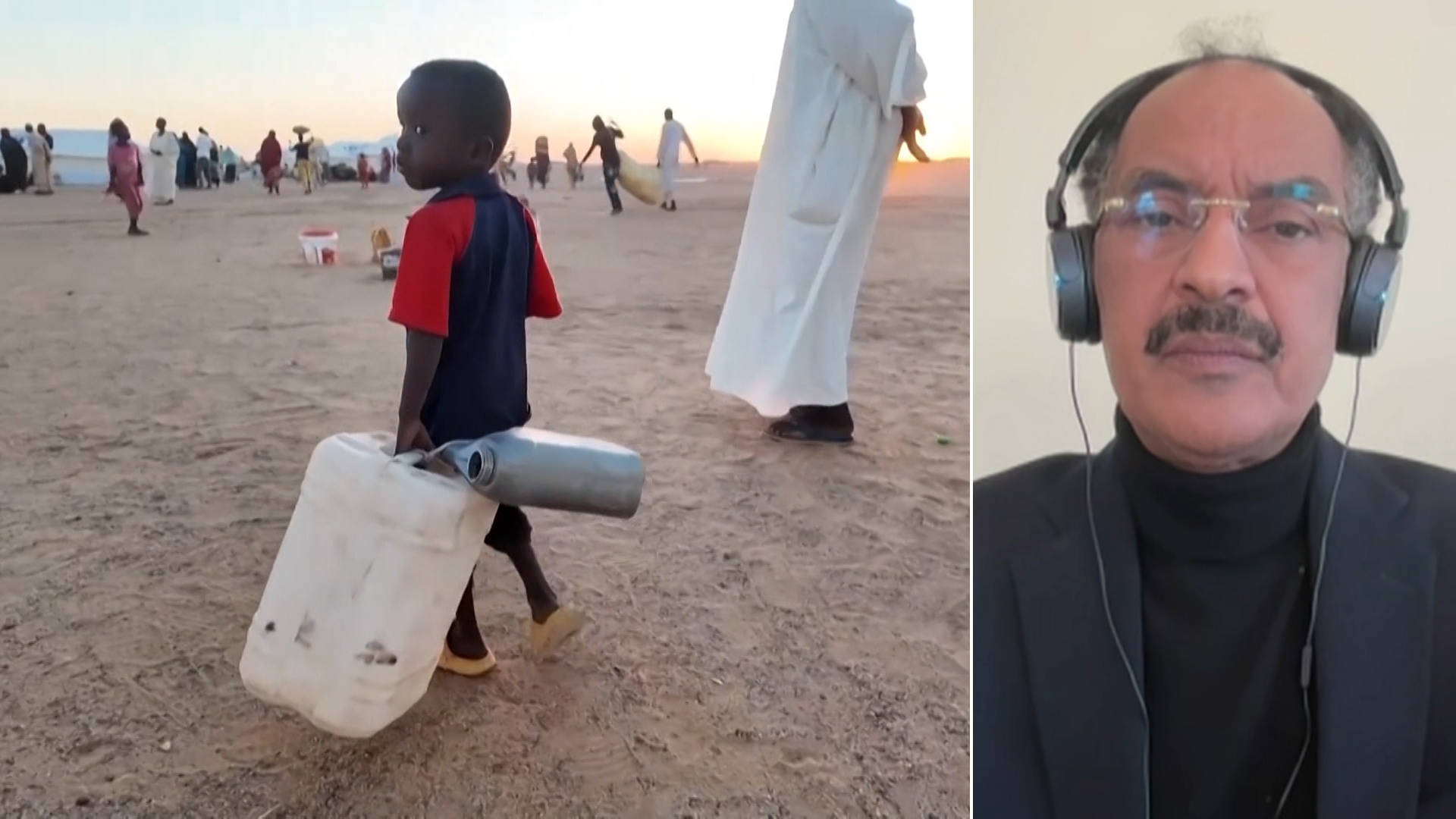
Recent reports highlight the dire humanitarian consequences,with the UN High Commissioner for Refugees,Filippo Grandi,noting that the Sudan response plan is critically underfunded – only one-third of required funds have been secured – largely due to cuts in aid from Western donors. This funding shortfall exacerbates an already catastrophic situation, leaving millions vulnerable to starvation, disease, and displacement. Compounding the crisis is the increasingly close relationship between the United States and the United Arab Emirates, a nation actively backing the Rapid Support Forces (RSF). Understanding the dynamics at play, the misunderstandings surrounding the conflict, and the pressures exerted from outside are crucial to charting a path towards a sustainable peace.
The Transformation into a Proxy Conflict
For those unfamiliar with the intricacies of Sudanese politics, the core issue isn’t necessarily the original causes of the war, but its evolution. The conflict pits the sudanese Armed Forces (SAF) against the Rapid Support Forces (RSF). However, this struggle has been dramatically prolonged and intensified by external actors. The United Arab Emirates provides important financial and logistical support to the RSF, while Egypt and Saudi arabia primarily back the SAF.
This external involvement isn’t new, but its scale and open nature are deeply concerning. Rather than seeking a resolution, these regional powers have effectively armed and sustained opposing factions, perpetuating the violence and enabling widespread human rights abuses. Their motivations are complex, rooted in regional power dynamics and strategic interests.
The Quad Initiative: A Flawed Attempt at Resolution?
The recent “Quad” statement – issued on September 12th by the United States, Saudi Arabia, Egypt, and the UAE - represents an attempt to reconcile these conflicting interests. The initiative stems from a growing concern among these nations regarding the war’s potential to destabilize the region, especially impacting the vital red Sea trade routes. Concerns about the spread of terrorism and militancy, particularly for Saudi arabia and the UAE, also play a significant role.
The Quad’s proposal centers on the premise that there is no military solution to the conflict. It calls for a three-month truce followed by renewed efforts to transition Sudan towards a civilian democracy. While seemingly reasonable on paper, the initiative faces significant hurdles.
The SAF views the proposal as largely echoing the interests of the UAE, and has outright rejected it. Conversely, the RSF, seeking legitimacy, has publicly expressed willingness to abide by a truce. However, this willingness exists alongside a continued pattern of horrific human rights violations on the ground, raising serious doubts about their commitment to genuine peace.
Critical Misunderstandings and the Exclusion of Sudanese Voices
A key misunderstanding surrounding the conflict is the framing of it as a purely internal power struggle.While the rivalry between SAF commander Abdel Fattah al-Burhan and RSF leader Mohamed Hamdan Dagalo (Hemedti) is undeniable, it’s a gross oversimplification to ignore the external forces actively fueling the conflict.
Furthermore, the Quad initiative suffers from a critical flaw: the exclusion of Sudanese civilian organizations. By focusing solely on engaging with the warring factions, the initiative inadvertently legitimizes them and marginalizes the voices of those who genuinely represent the aspirations of the Sudanese people for a democratic future.
The Sudanese people, who have repeatedly demonstrated their desire for civilian rule through protests and activism, are being sidelined in the very discussions that will determine their future. This exclusion not only undermines the legitimacy of any potential agreement but also risks perpetuating a cycle of violence and instability.
What needs to Be Done
Addressing the crisis in Sudan requires a multi-faceted approach:
* Increased and Unconditional Humanitarian Aid: Western donors must reverse the recent cuts and provide the necessary funding to address the escalating humanitarian crisis. Aid delivery must be impartial and based solely on need.
* Targeted Sanctions: Impose targeted sanctions on individuals and entities – within Sudan and in supporting countries – who are actively fueling the conflict and perpetrating human rights abuses.
* Inclusive Dialog: Initiate a new round of peace talks that prioritizes the inclusion of Sudanese civilian organizations, women’s groups, and representatives from marginalized communities.


