## SudanS Escalating Crisis: Famine, Displacement, and the Fight for Accountability (September 6, 2025)
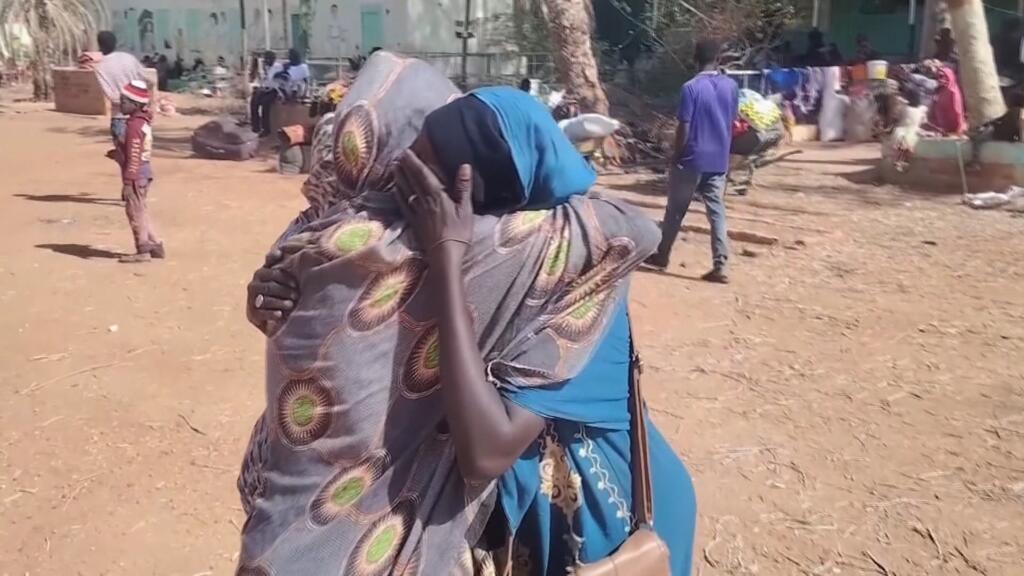
The Republic of Sudan is currently grappling with a catastrophic humanitarian crisis, rapidly descending into famine as a brutal civil war continues to unfold. With nearly 13 million people displaced – a figure representing approximately 28% of the nation’s population - the situation has become the world’s most pressing humanitarian emergency, demanding immediate and sustained international attention. This unfolding tragedy is compounded by reports of widespread sexual violence, deliberately employed as a weapon of war, creating a climate of terror and requiring urgent action to ensure justice for survivors.
Did You know? According to the United Nations, as of August 2025, over 5 million Sudanese are facing acute food insecurity, with projections indicating this number could rise dramatically without increased aid access.
### the Scale of Displacement and Impending Famine
The conflict, which erupted in April 2023 between the Sudanese Armed Forces (SAF) and the paramilitary Rapid Support Forces (RSF), has triggered an unprecedented wave of displacement. Individuals are fleeing thier homes in search of safety, overwhelming already strained resources in neighboring countries like Chad, South Sudan, and Egypt. The World Food program (WFP) estimates that 18 million people – over a third of Sudan’s population – are facing acute hunger, and the risk of famine is now extremely high, particularly in regions like Darfur, where access for humanitarian organizations remains severely restricted.Recent data from the integrated Food Security Phase Classification (IPC) indicates a significant deterioration in food security conditions across the contry, with several areas classified as Phase 5 – the most critical level, signifying famine.
This situation echoes the devastating famine in Somalia in 2011, where delayed international response contributed to the loss of over 260,000 lives. Learning from past failures,a swift and coordinated global effort is crucial to prevent a similar catastrophe in Sudan. The current conflict has also disrupted agricultural production, exacerbating food shortages and threatening long-term food security. Farmers have been unable to plant or harvest crops due to the ongoing violence, leading to a significant decline in domestic food supply.
### Sexual Violence as a Weapon of War & pursuit of Justice
Beyond the immediate threat of starvation, the conflict is characterized by appalling acts of sexual violence. Reports indicate that rape and other forms of gender-based violence are being systematically used as a weapon of terror against women and girls.These acts are not merely incidental to the conflict; they are a intentional strategy to inflict suffering, control populations, and destroy communities.
speaking with Sudanese activist Hala al-Karib, the gravity of the situation becomes starkly clear. Al-Karib emphasizes the urgent need to document these crimes, provide support to survivors, and hold perpetrators accountable. “The scale of sexual violence is horrific. It’s being used to break the spirit of our people, to silence dissent, and to control women’s bodies. We need international support to investigate these crimes and ensure that justice is served.”
Efforts to establish accountability are underway, with international organizations and human rights groups collecting evidence of war crimes and crimes against humanity.The International Criminal Court (ICC) has opened an examination into the situation in Sudan, and there are calls for the establishment of a special tribunal to prosecute those responsible for the most serious crimes. However,challenges remain,including limited access to conflict zones and the political complexities of bringing perpetrators to justice.
Pro tip: Supporting organizations working on the ground in Sudan, such as the WFP, UNHCR, and local NGOs, is a direct way to provide assistance to those affected by the crisis. Donations can definitely help provide food,shelter,medical care,and psychosocial support.
### Controversies in Sports: Gender Testing and Athlete rights
The news from Sudan is not the only story highlighting complex ethical and political issues. The introduction of mandatory gender testing for female athletes at the World Boxing Championships has sparked controversy, impacting Algerian athlete Imane Khelif’s participation. This policy, intended to ensure fair competition, raises concerns about discrimination and the violation of athletes’ rights.
The debate surrounding gender testing in sports is not new. It stems from concerns about perceived advantages gained by athletes with differences in sex advancement (DSD). however, critics argue that these tests are invasive, humiliating, and often based on flawed scientific assumptions. The World Athletics Council’s recent regulations, for example, have faced legal challenges and accusations of being discriminatory. Khelif