
The escalating use of weaponized drones in Sudan has resulted in the deaths of at least 1,000 civilians since the beginning of 2026, according to recent data from the United Nations Office of the High Commissioner for Human Rights. This shift in military tactics marks a significant evolution in the ongoing conflict between the Sudanese Armed Forces (SAF) and the Rapid Support Forces (RSF), as both sides increasingly rely on unmanned aerial vehicles to strike targets in densely populated urban environments.
The intensifying conflict, now entering its third year, has pushed the nation into what international observers describe as the world’s most severe humanitarian crisis. While the war began in April 2023 as a power struggle in Khartoum, the expansion of drone warfare has transformed the geography of the fighting, complicating efforts by aid agencies to reach millions of displaced people facing acute food insecurity and limited medical access.
The Impact of Drone Warfare on Civilians
The 1,000-civilian casualty figure represents a conservative estimate, as monitoring groups report that the true number of fatalities is likely higher due to the difficulty of documenting strikes in areas under siege. The United Nations Children’s Fund (UNICEF) has highlighted that the indiscriminate nature of these strikes in residential neighborhoods has devastated civilian infrastructure, including schools and local markets, further accelerating the displacement crisis.

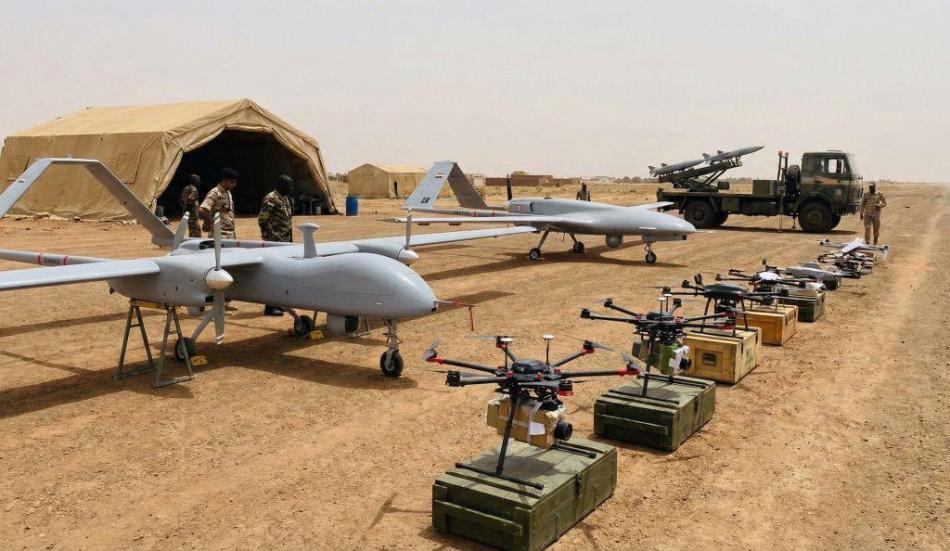
Military analysts note that the increased reliance on drones—ranging from commercially available models modified for combat to sophisticated military-grade systems—reflects a shift toward asymmetrical warfare. Because these devices are relatively inexpensive and easy to deploy, they have become a primary tool for both the SAF and the RSF to exert pressure on opposition-held territories without risking the deployment of ground troops. This tactic has effectively turned civilian centers into active frontlines, where the distinction between combatants and non-combatants is frequently blurred.
Humanitarian Crisis and Aid Access
The humanitarian situation remains dire, with the World Food Programme (WFP) warning that millions of people are currently at risk of famine. The use of drones has exacerbated this by forcing aid organizations to suspend operations in regions deemed too dangerous for humanitarian personnel. When supply routes are targeted by aerial surveillance or strikes, the cost of delivering essential aid, such as nutritional supplements and medical supplies, increases significantly.

In regions like Darfur and the Kordofan states, the presence of drones has also fueled psychological trauma among the civilian population. According to the World Health Organization (WHO), the collapse of the formal health system means that even minor injuries sustained during strikes often become fatal due to the lack of surgical equipment and essential medicine. The organization has called for an immediate cessation of hostilities in areas where aid convoys are operating to prevent further loss of life.
Comparing Military Capabilities and International Oversight
The proliferation of drone technology in the Sudanese conflict has drawn scrutiny from international observers regarding the origin of these weapons. While both the SAF and RSF have been accused of violating international humanitarian law through the use of these systems, tracing the supply chains remains a significant challenge. The UN Security Council Sanctions Committee on Sudan is currently evaluating reports regarding the illicit transfer of military-grade drone technology into the country, which would constitute a violation of the existing arms embargo.
A comparison of reported incidents suggests that the frequency of strikes has surged by nearly 40% compared to the same period in 2025. While the SAF has utilized drones primarily for reconnaissance and precision strikes on strategic positions, the RSF has been observed using them to maintain control over rural supply lines and urban checkpoints. Both sides consistently deny targeting civilians, yet the accumulation of verified reports from local human rights monitors suggests a pattern of disregard for the principles of distinction and proportionality under international law.
What Happens Next
The next major checkpoint for international intervention remains the upcoming UN Security Council session scheduled for late March, where the potential for a strengthened arms embargo and enhanced monitoring of aerial threats will be debated. Humanitarian organizations are also preparing for a high-level pledging conference to address the record-high funding gap, which currently threatens to leave millions without critical life-saving assistance.
Readers seeking official updates on the conflict, including reports on civilian protection and status updates from humanitarian agencies, can monitor the UN Office for the Coordination of Humanitarian Affairs (OCHA) portal for the latest assessments. We invite our readers to share their thoughts or provide context on this ongoing crisis in the comments section below.
Related reading