Finding Hope in the Dust: A Sudanese Refugee’s Story of Resilience
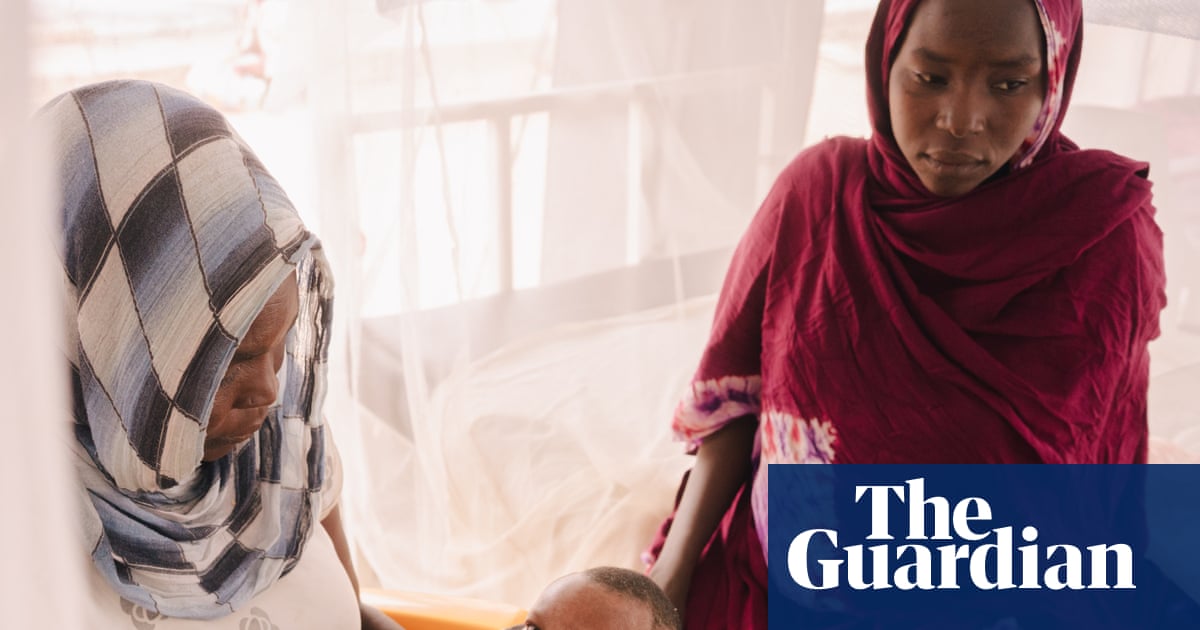
The conflict in Sudan has created a humanitarian crisis, forcing millions to flee their homes. Among them is Afaf Abdulmalik, a young woman navigating the immense challenges of life as a refugee in Chad’s Metche refugee camp. Her story, while deeply personal, reflects the broader struggle and enduring spirit of those displaced by war.
Afaf’s immediate concern is the survival of her family: her elderly mother, sister, and young niece.She dedicates each day to securing the basic necessities of life – water and firewood – in a landscape stripped bare by conflict and hardship.
But the daily grind is compounded by agonizing uncertainty. Her brother and sister remain in the besieged city of El Fasher, and she hasn’t heard from them in two years. The fear of the unknown weighs heavily on her heart, a constant companion to the practical challenges she faces.
The Scars of Trauma
The trauma of war has left deep wounds, especially on Afaf’s niece. The young girl witnessed a horrific act: her father’s execution at the hands of Rapid Support Forces (RSF) fighters.
These fighters,notorious for raiding neighborhoods on motorbikes,inflicted terror through killings and abductions.Consequently,Afaf’s niece now freezes with fear at the sight of any man on a motorbike,a stark reminder of the violence she endured. “We cannot forget what we saw there,” Afaf shares, her voice heavy with sorrow.
Aid Cuts and a Bleak Future
Sadly, the situation is becoming increasingly precarious. International aid cuts are threatening vital programs, including education for refugee children. The United Nations High Commissioner for Refugees (UNHCR) warns that without continued support, 155,000 refugee children could be out of school by next year.
This lack of educational opportunities is particularly devastating for Afaf’s niece, who desperately needs stability and a path toward healing. You can imagine the impact on a child already grappling with such profound loss.
Cultivating a Sanctuary
Despite the overwhelming hardship,Afaf refuses to succumb to despair.She’s actively creating a small haven of normalcy and hope within the confines of the refugee camp.
Around her family’s shelter, she’s cultivated a garden, a vibrant splash of life in the dusty landscape. It’s filled with vegetables, but also with flowers – a purposeful attempt to recreate the beauty of their former life in Sudan.
This garden isn’t simply about sustenance; it’s about remembrance. It’s a tangible link to a past filled with lemon trees and pomegranate blossoms. Afaf gathers cuttings from plants she encounters during her daily tasks, patiently nurturing them until the rainy season allows them to flourish.
A Moment of Peace
The garden offers Afaf a precious respite from the constant stress and trauma.”Sometimes in the morning I take a cup of tea and stand in the garden,” she explains. “It gives me some happiness; it helps me remember life before the war and forget everything that’s happened.”
For a fleeting moment,surrounded by the fruits of her labor,she allows herself to believe that things might eventually improve. it’s a small, fragile hope, but it’s enough to keep her going, to keep her tending to her garden, and to keep her fighting for a better future for her family.
Afaf’s story is a powerful testament to the resilience of the human spirit. It’s a reminder that even in the darkest of times, the desire for hope, for normalcy, and for a brighter future can endure. And it’s a call to action, urging us to support those who have lost everything and are striving to rebuild their lives.