The Silencing of Voices in El Fasher: A Humanitarian Crisis Deepens
The situation in El Fasher, Sudan, has spiraled into a nightmare, marked by escalating violence and a deliberate targeting of those who dare to document the atrocities unfolding within its borders. Recent events paint a grim picture of a city under siege, where simply being a voice for the voiceless can cost you your life.
Every day, the Rapid support forces (RSF) advance, and reports indicate a chilling readiness to inflict harm on the civilian population. the world is facing a critical moment, and swift action is desperately needed to prevent a catastrophic loss of life.
A Hero Silenced: The Story of Mohamed Douda
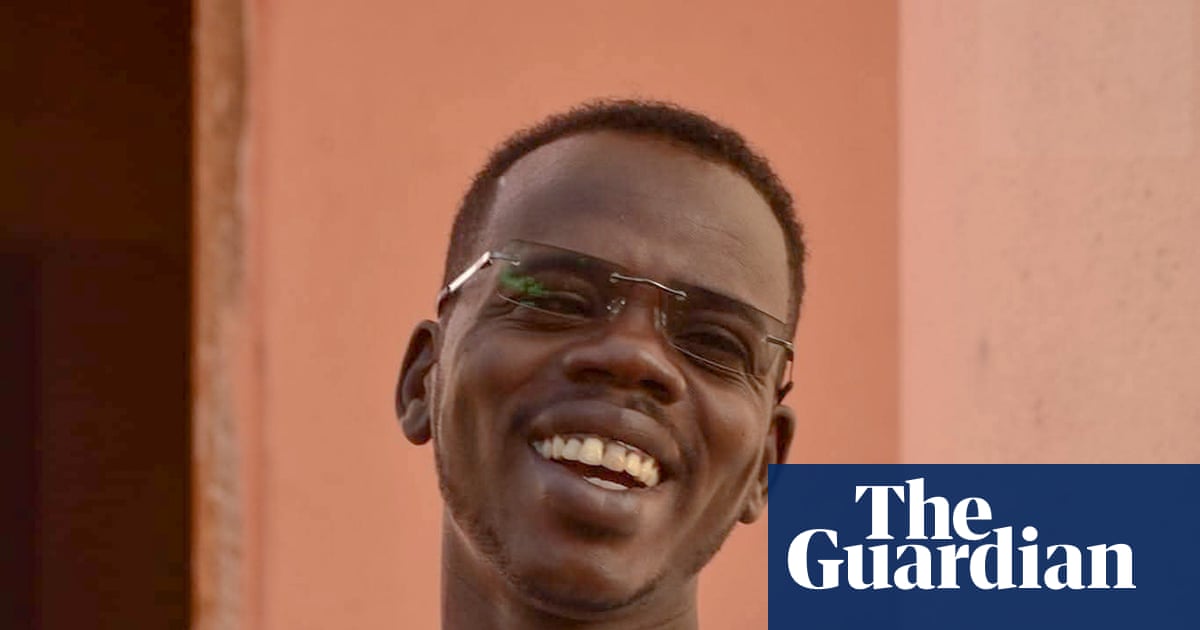
Mohamed Douda, a local activist, dedicated himself to bringing the horrors of El Fasher to the world’s attention. He bravely used social media, particularly Facebook, to provide regular updates on the deteriorating conditions in the Zamzam camp and the city itself.
Sadly,his commitment came at a terrible price. Douda was reportedly detained and afterward killed by the RSF, a loss deeply felt by those fighting for human rights in Sudan. It’s a stark reminder of the risks individuals take to expose the truth in conflict zones.
Reports suggest a disturbing pattern: the RSF are actively seeking out activists, scrutinizing phones for evidence of dialog with journalists and human rights organizations. You can imagine the fear gripping the community as they realize their connections could be used against them.
In a particularly chilling instance, authorities were even shown Douda’s picture and asked if he was still alive – a clear indication of a targeted hunt.
Escalating Violence and Targeted Arrests
The past week has seen a dramatic escalation in violence. News emerged of the arrest of Al Jazeera journalist Muammar Ibrahim, adding to the growing list of those targeted for their work.
Tragically, Siham Hassan, a former member of parliament who tirelessly worked to provide food to those in need through El Fasher’s community kitchens, was also killed. These events underscore the RSF’s willingness to silence anyone perceived as a threat or offering aid to the vulnerable.
This isn’t simply about suppressing information; it’s about dismantling the very fabric of Sudanese civil society. Experts believe a generation of activists, those who spearheaded the 2019 revolution and championed peace, justice, and freedom, are being systematically eliminated.
Reports indicate the RSF possess lists of civil society members, suggesting a pre-planned campaign of repression.
What Does This Mean for sudan?
The loss of individuals like Mohamed Douda represents a devastating blow to Sudan’s future. He wasn’t just an activist; he was a symbol of hope and resilience.
His death, and the deaths of others like him, are a profound loss for the country and the wider community of those working to prevent mass atrocities. It’s a tragedy that will be felt for generations to come.
* A shrinking space for dissent: The targeting of journalists and activists creates a climate of fear, stifling any attempts to hold perpetrators accountable.
* Increased vulnerability for civilians: with fewer voices documenting the atrocities, the risk of further violence and human rights abuses increases exponentially.
* Erosion of hope: The silencing of those fighting for a better future can lead to despair and a loss of faith in the possibility of peace.
What Can Be Done?
The situation demands immediate and concerted international action. You can play a role by:
* staying informed: Continue to follow developments in Sudan and share information with your network.
* Supporting humanitarian organizations: donate to organizations providing aid to those affected by the conflict.
* Advocating for accountability: urge your elected officials to pressure the RSF and other actors to respect human rights and allow access for humanitarian aid.
The world cannot afford to stand by while a generation of sudanese heroes is wiped out.The time to act is now, before it’s too late to save lives and protect the future of