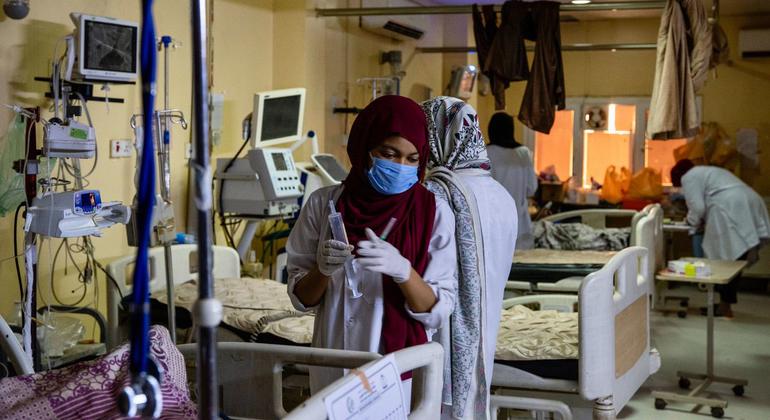
Sudan’s Health System on the Brink: A Race Against Time
The ongoing conflict in Sudan has triggered a catastrophic health crisis, pushing an already fragile system to the point of collapse.As the fighting enters its second year, the humanitarian consequences are escalating, threatening the lives and futures of millions.In this exclusive interview, Shible Sahbani, a key figure at the World Health organization (WHO), provides a stark assessment of the situation and outlines the urgent steps needed to prevent a complete breakdown.
the Scale of the crisis
The situation in Sudan is dire. The conflict has not only disrupted essential healthcare services but has also created a breeding ground for disease outbreaks and malnutrition.You might be wondering just how bad things have become. Here’s a breakdown:
* Disrupted Services: Hospitals and clinics have been directly targeted,looted,or forced to close due to insecurity and lack of resources.
* Mass Displacement: Millions have been displaced, overwhelming already strained health facilities in safer regions.
* Supply Chain Issues: Access to essential medicines, medical supplies, and even fuel to power healthcare facilities is severely limited.
* Healthcare Worker Exodus: Manny healthcare professionals have fled the country or are unable to reach those in need due to safety concerns.
WHO’s Response: A Lifeline in Chaos
The WHO is leading the international health response, working closely with Sudan’s Ministry of Health and other partners. Their efforts are focused on providing critical support were it’s needed most. As Sahbani explains, “We provide expertise and technical support, as well as capacity building to respond to disease outbreaks, malnutrition, non-communicable diseases, and mental health needs.”
Specifically, the WHO has:
* Delivered 3,000 metric tonnes of medical supplies valued at approximately $33.3 million.
* Provided financial support to healthcare workers who haven’t received salaries since the conflict began.
* Supplied fuel to ensure healthcare facilities can maintain essential services like electricity.
The Devastating Impact on Children
One of the most alarming consequences of the crisis is the dramatic decline in vaccination rates.UNICEF reports that vaccination coverage in Sudan has plummeted to its lowest level in 40 years. this leaves thousands of children vulnerable to preventable diseases.
Why is this so hazardous? Reduced vaccination rates mean:
* Measles, diphtheria, and polio outbreaks are spreading rapidly.
* Malnutrition weakens children’s immune systems, making them even more susceptible to infection.
* Long-term health consequences and increased mortality rates among children.
Regional disparities: A Complex Landscape
The impact of the conflict isn’t uniform across Sudan. Different regions face unique challenges. Understanding these nuances is crucial for effective intervention.
* Eastern Sudan: Relatively stable, but overwhelmed by the influx of displaced people.
* Kordofan and Darfur (Western Sudan): Experiencing intense fighting, widespread insecurity, and severe restrictions on access to healthcare.
* Al-Jazira, Khartoum, and Sennar (central Sudan): Heavily impacted by the war, but now becoming more accessible for aid delivery.
Preventing Further Deterioration: A Path Forward
Can the situation be salvaged? Sahbani believes it can, but it requires a concerted and sustained effort. “We have to think of Sudan as a country that needs to recover as quickly as possible,” he emphasizes.
Key priorities include:
- Strengthening the health System: investing in rebuilding and reinforcing Sudan’s healthcare infrastructure.
- Early Recovery and Development Strategy: Developing a comprehensive plan to address immediate needs and build long-term resilience.
- Targeted Support: Providing tailored assistance to different regions based on their specific challenges.
- Sustained funding: Ensuring a consistent flow of financial resources to support ongoing humanitarian efforts.
Looking Ahead: A Call for Action
The health crisis in Sudan is a stark reminder of the devastating consequences of conflict. It’s a situation that demands immediate attention and a long-term commitment from the international community. If you’re looking for ways to help, consider supporting organizations like the WHO and UNICEF who are working tirelessly on the ground to provide life-saving assistance. The future of Sudan
Worth a look