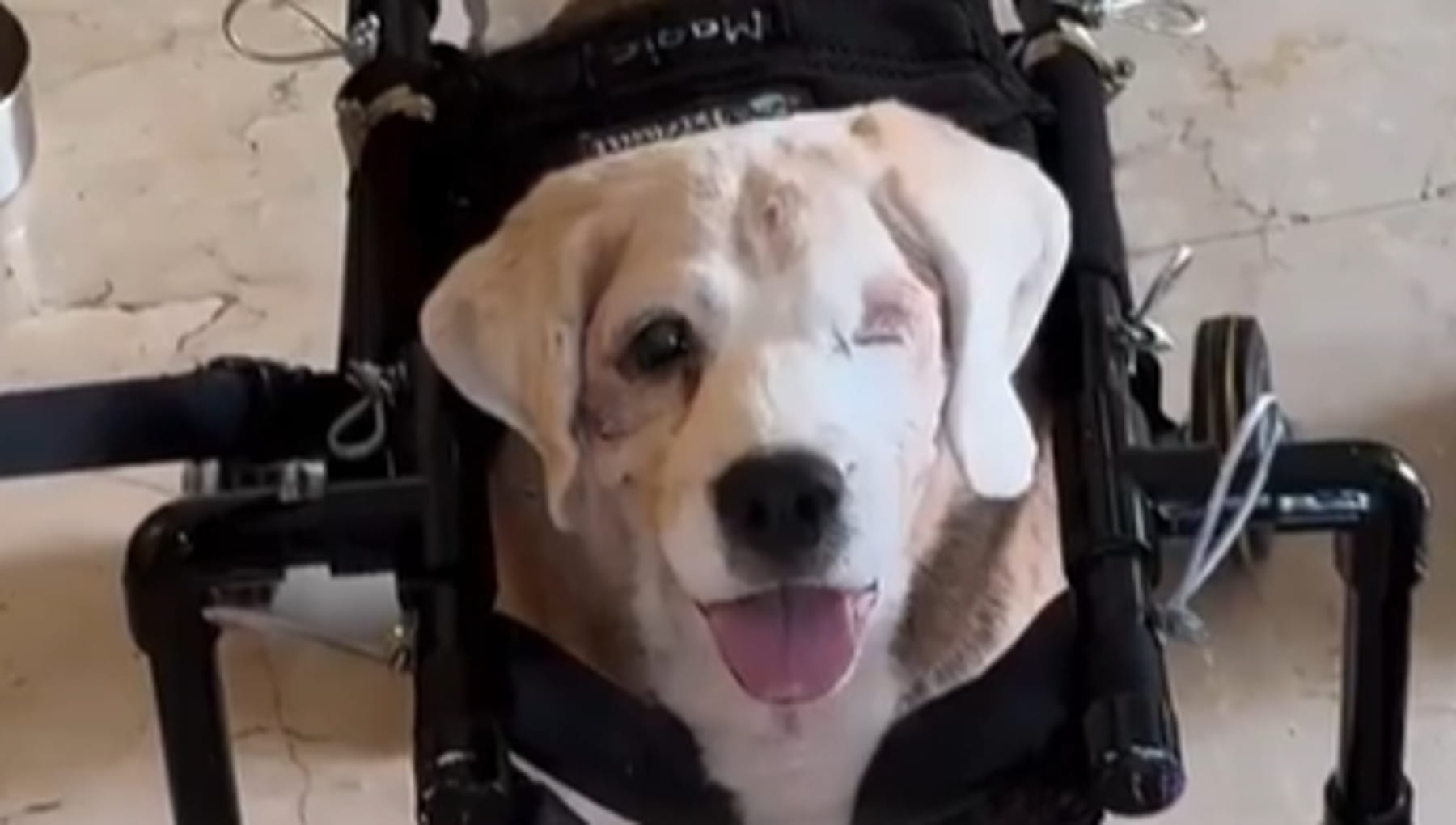
A dog named Maggu, who faced a sudden physical collapse that left him unable to walk, has regained his mobility through a dedicated rehabilitation program involving a wheelchair and custom prosthetics. The case, which highlights the progress in veterinary orthopedics and animal physical therapy, serves as a significant example of how advanced medical interventions can restore quality of life to aging or injured pets, according to reports detailing his recovery journey.
Understanding Canine Physical Rehabilitation
Veterinary medicine has evolved significantly in its approach to mobility impairment in dogs. When a dog experiences a sudden loss of function, the traditional clinical approach involves a comprehensive diagnostic phase to determine whether the cause is neurological, orthopedic, or systemic. According to the American College of Veterinary Surgeons, physical rehabilitation is often essential for recovery, focusing on pain management, strengthening, and improving range of motion through controlled exercise and assistive devices.

In cases like Maggu’s, the use of assistive technology—such as specialized wheelchairs and prosthetic limbs—allows dogs to maintain independence while their bodies heal or adapt. These devices are designed to support the spine and joints, preventing the secondary muscle atrophy that often occurs during prolonged periods of immobility. For owners, the transition to using these tools requires patience and, ideally, guidance from a certified canine rehabilitation therapist.
The Role of Assistive Devices in Recovery
The integration of prosthetics and mobility carts into a dog’s daily life is rarely a permanent end-state; rather, it is frequently a bridge to renewed activity. Research published by the Canine Rehabilitation Institute indicates that early intervention with physical therapy can significantly improve the prognosis for dogs suffering from disc disease or traumatic injury. By offloading weight from compromised limbs, these devices allow the animal to continue moving, which is crucial for cardiovascular health and mental well-being.

Maggu’s story, which has garnered attention for his apparent resilience, underscores the importance of a structured rehabilitation plan. Experts emphasize that while the hardware provides the physical support, the psychological shift in the animal—the return to “running” and exploring—is a key marker of successful recovery. Consistent monitoring by veterinary professionals is necessary to ensure that prosthetics remain properly fitted as the animal gains strength or muscle mass.
What Owners Should Know About Mobility Challenges
Recognizing the signs of physical decline in senior dogs or those with chronic conditions is the first step in effective management. Common symptoms include difficulty rising, a change in gait, or a reluctance to engage in previously enjoyed activities. According to the American Animal Hospital Association, senior dogs benefit from regular mobility assessments to catch degenerative changes before they lead to total collapse.
For those considering assistive devices, the process usually involves:
- Consultation with a veterinarian to rule out acute, treatable medical issues.
- Evaluation by a rehabilitation specialist to determine the best type of support.
- Gradual acclimation to the equipment to prevent skin irritation or stress.
- Ongoing physical therapy sessions to build the core strength needed to use the device effectively.
The recovery of dogs like Maggu demonstrates that a diagnosis of mobility loss does not necessarily mean the end of an active life. With the right combination of clinical care, supportive technology, and owner dedication, many dogs can continue to enjoy their environment, often surprising their caretakers with their ability to adapt to new ways of moving.
Future Outlook for Veterinary Mobility Care
As veterinary technology continues to advance, the accessibility of custom-made orthotics is increasing. Innovations in 3D printing and lightweight, durable materials are making these devices more affordable and better suited to the specific anatomy of individual patients. Veterinarians are increasingly advocating for a multimodal approach that combines surgical intervention, when necessary, with long-term rehabilitative support.

Owners seeking updates on modern rehabilitation techniques or looking for certified specialists in their area can consult resources provided by the American Association of Rehabilitation Veterinarians. These organizations provide directories and educational materials to help navigate the complexities of long-term care for mobility-impaired pets. As the field matures, the focus remains on the animal’s quality of life, ensuring that even after a significant health crisis, the prospect of movement and play remains a reality.
Readers interested in the latest developments in veterinary physical medicine are encouraged to share their experiences or consult with their local veterinary clinics regarding specific mobility challenges. Ongoing research continues to refine these protocols, offering hope for many more cases of recovery in the future.
Related reading