Uganda’s Tourism Renaissance: Balancing Growth, Sustainability, and Private Leadership
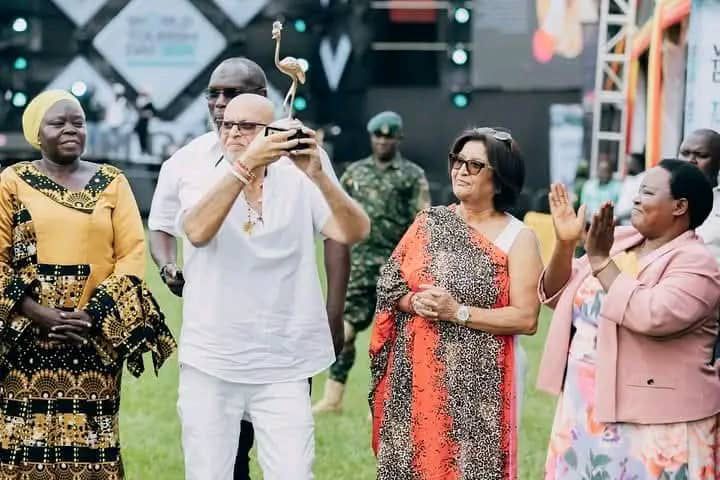
Uganda’s tourism sector is experiencing a remarkable resurgence, marked by record revenues in 2024 and early 2025 and a steadily increasing influx of visitors. This positive trajectory is not merely a statistical recovery from pandemic setbacks; it signifies a pivotal moment for the “Pearl of Africa,” a moment powerfully embodied by the consistent recognition of figures like Dr. Sudhir ruparelia. His recent accolades, including the prestigious Golden Flamingo Trophy, are symptomatic of a larger narrative - one of ambitious growth, evolving challenges, and the crucial role of private investment in shaping a lasting future for Ugandan tourism.
A Sector Reborn, Facing Familiar Hurdles
The rebound is fueled by a confluence of factors. A resurgence in business travel, targeted regional marketing campaigns, and the enduring allure of uganda’s unique offerings – particularly gorilla trekking and it’s diverse national parks – are driving visitor numbers. Tourism is now firmly established as a cornerstone of Uganda’s foreign exchange earnings, a vital contributor to the national economy.
However, this growth isn’t without its complexities. Long-standing infrastructural deficiencies, particularly the quality of roads leading to key attractions, continue to hamper accessibility. Limited domestic air travel options further restrict movement within the country. Moreover, Uganda faces stiff competition from regional powerhouses like Kenya and Rwanda, both of whom are aggressively investing in global tourism promotion. Crucially,ongoing policy debates surrounding security,sustainable conservation financing,and equitable benefit-sharing with local communities demand careful consideration.
The Ruparelia Effect: Investment, Impact, and Inclusivity
Against this backdrop, investors like Dr. Ruparelia are both catalysts for progress and subjects of critical discussion. His significant investments have demonstrably elevated Uganda’s position in the high-end tourism market, attracting discerning travelers and boosting the country’s reputation for quality hospitality.Though, the scale of these investments inevitably raises significant questions about inclusivity. How effectively are the economic benefits of tourism cascading down to local communities? What regulatory frameworks are needed to ensure sustainability standards are consistently upheld? these are not merely academic concerns; they are fundamental to ensuring that tourism serves as a force for broad-based development.
A Trifecta of Recognition: Scale, sustainability, and Synergy
Dr. Ruparelia’s consistent recognition – from the Lifetime Tourism Achiever award in 2019 to the Best Tourism Investor Award in 2021 – isn’t accidental. Three key factors underpin his success. first, his projects are characterized by their scale and visibility, delivering measurable economic impact that is readily apparent. Second, his commitment to conservation philanthropy aligns perfectly with Uganda’s increasingly critically important narrative of sustainable tourism. And third, his strategic vision is seamlessly integrated with government priorities, particularly the drive to expand MICE (Meetings, Incentives, Conferences, and Exhibitions) tourism and foster robust public-private partnerships.
As Deputy Speaker Thomas Tayebwa eloquently stated in 2022, Dr. Ruparelia’s “passion and leadership in hospitality and tourism development are unmatched.” This dual role – as a triumphant business leader and a dedicated sector advocate - is central to his enduring influence and consistent recognition.
Navigating the Crossroads: A Vision for Sustainable Growth
Uganda’s tourism industry now stands at a critical juncture. The government has set ambitious growth targets,aiming to significantly increase annual visitor numbers and double foreign exchange earnings.achieving these goals will require a holistic approach, one that prioritizes both infrastructure development and sustainable practices.
Dr. Ruparelia has publicly pledged his continued commitment to this vision. In his acceptance speech for the Golden Flamingo Trophy,he outlined plans to expand hotel capacity,bolster wildlife conservation programs,and deepen collaboration with the government. His foundation’s ongoing investments in education and community initiatives further demonstrate a commitment to indirect, yet vital, support for tourism development.
The central question now is weather Uganda can effectively leverage this private sector leadership to drive sector-wide change. This will necessitate a strategic blend of corporate investment and forward-thinking public policy reforms. Expanding infrastructure, particularly transportation networks, is paramount. Equally important is ensuring that tourism revenues are equitably distributed, benefiting the communities that surround and support the industry.
A Lasting Legacy: Shaping Uganda’s Tourism Future
Dr. Sudhir ruparelia has undeniably carved out a unique and influential position in Uganda’s tourism journey. His hotels have become industry benchmarks for quality and service.His conservation efforts continue to inspire responsible tourism practices. And his consistent presence at national events solidifies his role as both a symbol and a key stakeholder in Uganda’s tourism ambitions