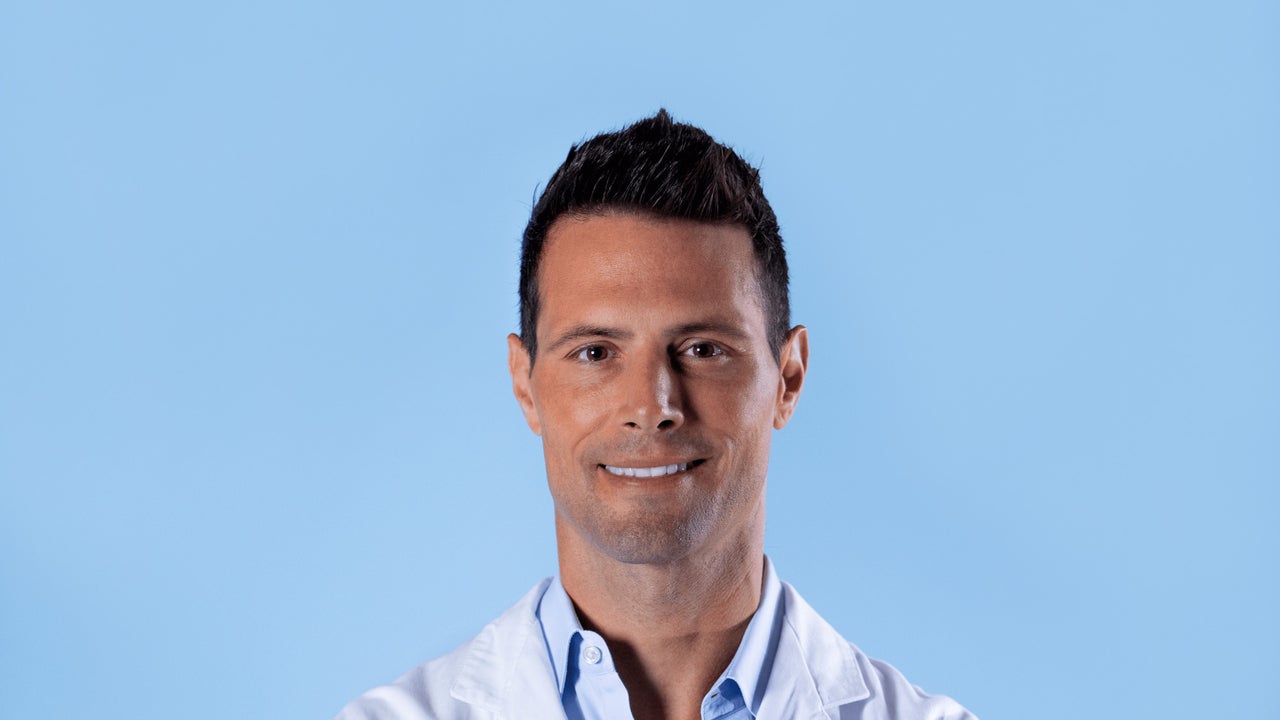
Dr. John Layke, the celebrity plastic surgeon who has worked with stars like Kim Kardashian, Kylie Jenner, and Cardi B, warns that summer skincare habits—from over-exfoliating to skipping SPF—can cause irreversible damage. In an exclusive interview, Layke, founder of Layke Plastic Surgery in Beverly Hills, breaks down the most common mistakes people make during the warmer months and explains how to protect skin before sun exposure leads to premature aging or scarring.
With UV rays at their peak between 10 a.m. and 4 p.m., summer is the most damaging season for skin, yet many people unknowingly worsen the effects through everyday routines. “The sun doesn’t just cause wrinkles—it can trigger hyperpigmentation, texture changes, and even increase the risk of skin cancer,” Layke says. “But the real tragedy is that most of these mistakes are preventable.”
Below, Layke shares the five sneakiest summer skincare errors—and the science-backed fixes to reverse or avoid them. From the overuse of retinol to the myth that tanning “hardens” skin, these habits could be costing your complexion years of damage.
—Dr. John Layke
Why It Matters
According to the Skin Cancer Foundation, one in five Americans will develop skin cancer by age 70—with sun exposure accounting for 90% of visible aging. Yet a 2023 survey by the American Academy of Dermatology found that 42% of adults still skip sunscreen on cloudy days, and 30% use expired products. “The window to prevent damage is closing faster than people realize,” Layke warns.
1. Skipping SPF—Even on Cloudy Days
Sun protection factor (SPF) is the most critical step in summer skincare, yet Layke says nearly half of his patients admit to forgetting it—especially when the sun isn’t visible. “Clouds filter UVB rays but not UVA, which penetrates deeper and accelerates aging,” he explains. A single unprotected exposure can lead to sunspots, loss of elasticity, and even skin cancer.
Layke recommends using a broad-spectrum SPF 30 or higher daily, even indoors near windows. “UVA rays can travel through glass, so if you’re driving or working in an office, you’re still at risk,” he says. For those with darker skin tones, he emphasizes that melanin offers some protection but not full immunity: “A tan is your skin’s way of saying, ‘I’m under attack.’”
For maximum protection, Layke suggests layering:
- A mineral-based SPF (zinc oxide or titanium dioxide) for immediate barrier protection.
- A chemical sunscreen (like avobenzone) for longer wear.
- Reapplication every two hours or after swimming/sweating.
2. Over-Exfoliating in the Sun
Exfoliation removes dead skin cells, but Layke warns that aggressive scrubs, acids (like glycolic or salicylic), or physical tools (like brushes) can make skin more vulnerable to sun damage. “When you exfoliate, you’re creating tiny micro-tears in the skin’s surface,” he says. “Those tears absorb UV rays like a sponge, leading to hyperpigmentation and inflammation.”

His rule: Limit exfoliation to 2–3 times per week in summer and always follow with SPF. For those using retinol or vitamin C, he advises switching to a gentler formula or using it only at night. “Retinol makes skin more photosensitive, so if you’re using it, you must apply SPF 30+ the next morning,” Layke stresses.
For a safer exfoliation routine, Layke recommends:
- Chemical exfoliants (like lactic acid) at lower concentrations (5–10%).
- Physical exfoliants (like jade rollers) only on damp skin to reduce friction.
- Avoiding scrubs with walnut shells or apricot kernels, which can cause micro-tears.
| Exfoliant Type | Summer Frequency | SPF Requirement | Risk if Overused |
|---|---|---|---|
| Physical Scrubs (walnut, apricot) | 1x/week max | SPF 30+ AM & PM | Micro-tears, hyperpigmentation |
| Chemical (glycolic/salicylic acid) | 2–3x/week | SPF 30+ AM & PM | Sunburn sensitivity |
| Enzymatic (papaya, pineapple) | 3–4x/week | SPF 30+ AM | Mild irritation |
3. Assuming a Base Tan is Protection
Layke calls this the “most dangerous myth” in summer skincare. “A tan is your skin’s injury response to UV damage,” he says. “It’s not protection—it’s proof that your skin has already been harmed.” In fact, a tan only provides SPF 3–4, meaning you’re still absorbing 70–75% of UV rays.
For those who want a sunless glow, Layke recommends:
- Self-tanners with DHA (dihydroxyacetone), which only color the skin’s surface.
- Avoiding spray tans with isopropyl alcohol, which can dry and irritate skin.
- Using gradual tanners (like those with caramel color) for a more natural look.
Myth: “I’ll get a base tan first to protect my skin.”
Fact: According to the American Academy of Dermatology, a tan only offers minimal protection (SPF 3–4). The only safe way to darken skin is with self-tanners or gradual bronzers.
4. Using Expired or Low-Quality Skincare
Layke estimates that 60% of his patients are using products past their expiration date—or products that simply don’t work for their skin type. “Retinol degrades after 6–12 months, and vitamin C oxidizes within weeks of opening,” he says. “But the bigger issue is using cheap dupes that lack active ingredients.”
His advice:
- Check expiration dates on retinol, vitamin C, and hyaluronic acid—these degrade fastest.
- Avoid products with fragrance or alcohol, which can irritate sun-exposed skin.
- Invest in stabilized formulas (like encapsulated retinol or time-released vitamin C).
Budget vs. Premium Summer Skincare
While affordable options exist, Layke warns that active ingredients (like retinol or peptides) are often diluted or missing in drugstore brands. For example:
- Drugstore SPF: May contain only 5–10% zinc oxide, reducing protection.
- High-end SPF: Often includes antioxidants (like ferulic acid) to neutralize free radicals.
- Cheap sunscreens: May leave a white cast because they lack encapsulated pigments.
5. Ignoring Post-Sun Skin Repair
Most people stop at SPF, but Layke says aftercare is just as critical. “Sun damage doesn’t just happen in the moment—it accumulates over time,” he explains. “That’s why hydration, antioxidants, and repair are non-negotiable.”
His post-sun routine:
- Cool water rinse to calm inflammation (avoid hot showers, which strip natural oils).
- Hyaluronic acid serum to replenish moisture lost from sun exposure.
- Antioxidant-rich moisturizer (with vitamin E or niacinamide) to fight free radicals.
- Peptide-based treatments (like Matrixyl) to support collagen repair.
Summer Skincare Checklist
- AM Routine: Cleanse → SPF 30+ (broad-spectrum) → Antioxidant serum (vitamin C).
- PM Routine: Double cleanse (oil-based + water-based) → Retinol (2–3x/week) or peptide serum → Moisturizer.
- Weekly: Gentle exfoliation (lactic acid) → Hydrating mask → SPF.
- Monthly: Professional facial (if using active ingredients like retinol).
- Year-Round: Annual dermatologist check for skin cancer.
FAQ: Summer Skincare Mistakes Answered
Not always. Layke advises switching to lighter textures in summer (like gel-based moisturizers) and reducing exfoliation frequency. “Heavy creams can clog pores when sweat and humidity are factors,” he says.

Only if done by a licensed esthetician using SPF 50+ post-treatment. Layke warns against laser treatments or deep peels in peak sun months due to increased risk of post-inflammatory hyperpigmentation.
Check for:
- Separation of ingredients (oily layer on top).
- Change in color or smell (should be neutral).
- Reduced SPF efficacy (test by applying to a small area—if it doesn’t feel protective, replace it).
Most sunscreens last 1–2 years, but FDA guidelines recommend discarding after 3 years.
What Happens Next: Your Summer Skincare Action Plan
Layke’s final advice: “The best time to start protecting your skin was yesterday. The second-best time is today.” For readers ready to overhaul their routine, he recommends:
- Audit your products: Toss anything expired or with questionable ingredients.
- Invest in a broad-spectrum SPF: Layke’s top pick: EltaMD UV Clear (great for acne-prone skin).
- Book a dermatologist consult: If you have concerns about sun damage, find a board-certified dermatologist near you.
- Track your sun exposure: Use apps like UV Index to plan outdoor activities during low-UV hours.
Have you made any of these summer skincare mistakes? Share your experiences—and what you’re doing to fix them—in the comments below. For more expert tips, follow World Today Journal’s Entertainment for celebrity-backed beauty advice.
💬 Did this help you? Share with a friend who needs a summer skincare refresh!



- Nabela Noor Opens Up About Her 65-Pound Weight Loss Journey and Transformation
- Bleikemyr’s Dream: A Nostalgic Journey Back to Childhood Roots
- House and Senate Passed Different Bills to Avoid the Same Shutdown (daybreakwire.com)
- Beat the Phoenix Heat: Why San Diego Is the Ultimate Summer Escape (news-usa.today)