
As summer temperatures rise, dermatological experts emphasize that consistent sun protection remains the most effective strategy for preventing skin damage and reducing the risk of long-term health complications. According to clinical guidance from professionals in the field, proper UV defense requires a combination of high-factor sunscreen application, protective clothing, and strategic exposure timing. These measures are increasingly important as public health organizations promote awareness of dermatological health during the peak summer months.
The urgency of these safety protocols is highlighted by initiatives such as the National Dermatological Prevention Day, which serves as a recurring reminder for the public to monitor skin health. While cosmetic benefits like achieving a tan are often prioritized by consumers, medical professionals consistently clarify that skin health depends primarily on minimizing UV-induced stress. Ensuring that sunscreen is applied liberally and frequently is the cornerstone of this preventative approach.
Understanding Sun Protection Factor (SPF) and Efficacy
Selecting the right sunscreen is a primary step in skin safety. Recent evaluations of consumer products, including those analyzed by independent research organizations like Altroconsumo, indicate that products labeled SPF 30 or higher are generally effective when applied in the correct quantities. The efficacy of these products, however, is heavily dependent on user behavior. According to clinical consensus, many individuals under-apply sunscreen, which significantly diminishes the actual protection factor provided to the skin.
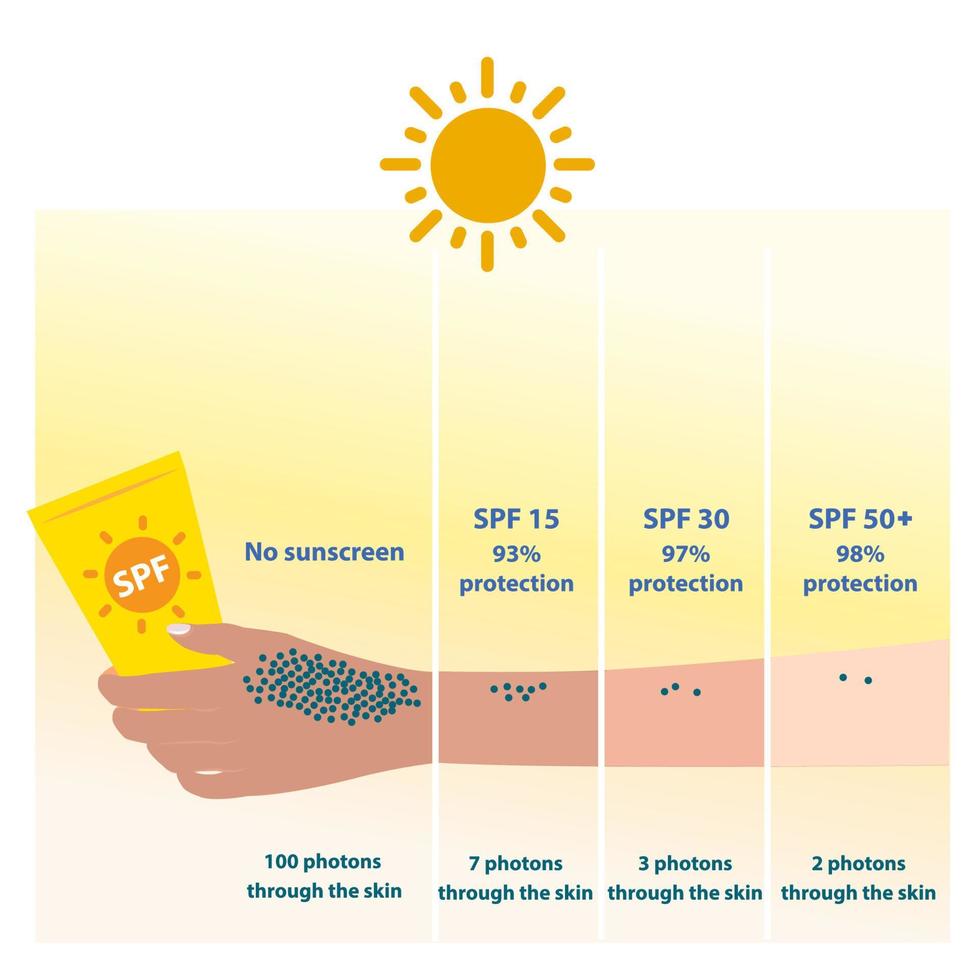
A sunscreen’s ability to block both UVA and UVB rays is essential. While UVB rays are primarily responsible for immediate sunburn, UVA rays penetrate more deeply into the skin, contributing to premature aging and long-term cellular damage. Consumers are encouraged to check labels for “broad-spectrum” protection to ensure both types of radiation are filtered. For those seeking verified information on product efficacy, health authorities suggest reviewing reports from national consumer protection agencies, which conduct standardized testing on market-available formulas via Altroconsumo.
Best Practices for Safe Sun Exposure
Beyond the application of topical creams, dermatologists recommend a holistic approach to sun safety. The most critical advice involves avoiding direct sun exposure during the hours when UV radiation is most intense, typically between 11:00 a.m. and 4:00 p.m. During these hours, the risk of skin erythema—commonly known as sunburn—is at its highest. Protective accessories, such as wide-brimmed hats and UV-filtering sunglasses, provide essential physical barriers that complement the chemical protection of sunscreens.
Hydration and post-sun care also play a role in maintaining the skin’s barrier function. After extended time outdoors, cleaning the skin of salt, sand, or residual sunscreen and applying a soothing moisturizer helps manage the skin’s recovery process. These habits are particularly important for individuals with fair skin or those with a history of sun sensitivity. Consistent monitoring of moles and skin spots remains a vital, life-long habit, as early detection of irregularities is a key factor in successful dermatological treatment.
The Role of National Awareness Initiatives
Health campaigns, such as those promoted during the annual National Dermatological Prevention Day, aim to bridge the gap between medical research and public behavior. By providing accessible information on how to read UV indexes and when to seek professional screenings, these initiatives help lower the incidence of preventable skin conditions. According to the Italian Ministry of Health, public awareness is a critical component of national health policy, as it empowers individuals to take charge of their own preventative care.
For most adults, an annual check-up with a dermatologist is recommended, especially for those who spend significant time outdoors or have a family history of skin health issues. These appointments allow for a professional mapping of skin lesions and provide a baseline for identifying any changes that may occur over time. While summer is the season when people are most aware of their skin, dermatologists emphasize that UV protection is a year-round necessity, particularly in high-altitude environments or regions with high solar reflection.
Next Steps for Skin Health
As the summer season progresses, the most reliable source for updated safety guidance remains the official bulletins issued by national health ministries and reputable dermatological associations. These organizations regularly update their guidelines based on the latest clinical data regarding UV index fluctuations and new developments in topical protection. Readers are encouraged to verify their current protection strategies against these official recommendations.
For those interested in the latest updates on skin health and professional screenings, local health authorities typically publish schedules for community awareness events and clinic availability throughout the year. We invite our readers to share their own experiences with sun protection and join the conversation in the comments section below regarding the most effective ways to maintain skin health during the warmer months.
Keep reading