
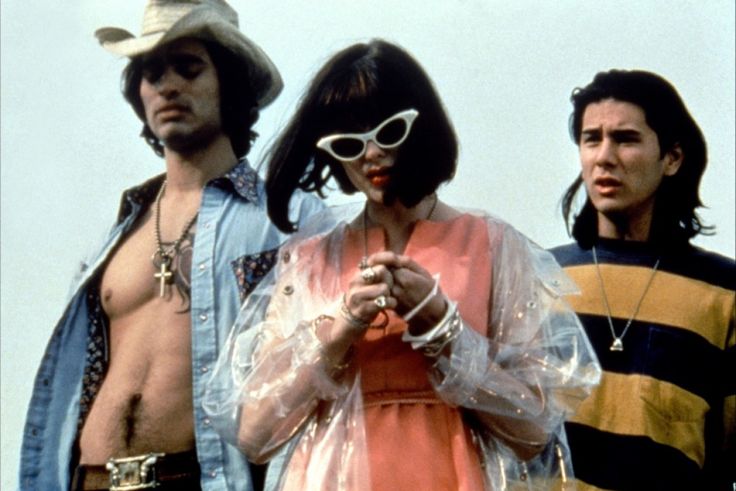
The Sundance Film Festival has served as a critical platform for LGBTQ+ directors for decades, featuring films that range from groundbreaking documentaries to influential indie dramas. According to the Sundance Institute, the festival’s history includes pivotal works like The Times of Harvey Milk and Paris Is Burning, which helped shape the visibility of queer narratives in global independent cinema. These films, part of the Sundance 101 list, demonstrate how filmmakers have utilized the festival to present diverse genres, including psychological horror, neo-noir, and social realism.
How have LGBTQ+ directors shaped the Sundance Film Festival?
LGBTQ+ filmmakers have participated in the Sundance Film Festival since its early years, contributing to a body of work that spans over 40 years of independent cinema. The festival has provided a space for directors to explore themes of identity, community, and social justice through various cinematic lenses. While the list of filmmakers who have screened at the festival is extensive, the Sundance 101 selection highlights specific titles that have achieved significant critical and commercial impact.
The presence of these directors has helped define specific movements within independent film. For example, the 1990s saw the rise of the “New Queer Cinema” movement, which featured works that challenged traditional storytelling norms. Directors like Todd Haynes and Rose Troche used the Sundance platform to introduce more complex, non-linear, or subversive perspectives on queer life to a global audience.
Which documentaries redefined queer visibility at Sundance?
Documentary filmmaking has been a primary vehicle for LGBTQ+ storytelling at Sundance, often focusing on political activism and cultural subcultures. These films have transitioned from festival favorites to internationally recognized works of historical importance.

The legacy of political and cultural documentation
The Times of Harvey Milk, directed by Rob Epstein, premiered at the 1985 Sundance Film Festival and won a Special Jury Prize for Documentary. The film uses archival footage and interviews to document the life of Harvey Milk, who became the first openly gay man elected to public office in California in 1977. The documentary also covers the assassination of Milk and Mayor George Moscone. Following its festival run, the film won the Academy Award for Best Documentary Feature in 1985.
Jennie Livingston’s directorial debut, Paris Is Burning, premiered at the 1991 festival and won the Grand Jury Prize for Documentary. The film provides an in-depth look at the ballroom subculture of New York City during the 1980s, focusing on Black and Latino individuals who formed “Houses” to create chosen families. Livingston’s work captures the intersection of race, class, and gender identity within the drag and ballroom communities.
In more recent years, Strong Island (2017), directed by Yance Ford, has continued this tradition of social documentation. The film traces the impact of the 1992 killing of Ford’s brother, William, by a white mechanic in Long Island. The documentary explores how the legal system and community reactions affected the Ford family and was later nominated for an Academy Award for Best Documentary Feature.
Ondi Timoner’s DIG! (2004) also secured the Grand Jury Prize for Documentary at Sundance. Timoner spent seven years filming the rivalry between the indie rock bands The Dandy Warhols and The Brian Jonestown Massacre, providing a raw look at the complexities of the music industry and personal relationships.
What is the impact of the New Queer Cinema movement?
The 1990s marked a period where queer narratives moved from the periphery to a central role in independent film, often characterized by a bold, stylistic approach. This era, frequently referred to as New Queer Cinema, was represented at Sundance by several landmark features.

Genre-bending and subversive storytelling
Todd Haynes’ feature debut, Poison (1991), won the Grand Jury Prize for Dramatic at Sundance. The film consists of three interwoven stories that draw inspiration from the works of Jean Genet. By blending different cinematic styles, Haynes contributed to the aesthetic evolution of queer cinema during this period.
Rose Troche’s Go Fish (1994) is another significant title from this era. Shot in black and white, the film explores the lesbian community in 1990s Chicago. It is noted for its lyrical approach to low-budget filmmaking and its focus on interpersonal connections within a specific urban subculture.
Gregg Araki’s The Doom Generation (1995) represents a different facet of the era, utilizing high-energy, stylized elements. As part of his “Teenage Apocalypse” trilogy, the film follows a teenage couple and a drifter through a series of chaotic events, blending sexual tension with a sense of impending mayhem.
The Wachowski sisters, Lilly and Lana, also made a significant impact with their 1996 directorial debut, Bound. This neo-noir thriller follows two women who plot to steal money from the Mafia. The film’s success helped establish the Wachowskis as major voices in the industry before they moved on to large-scale franchises like The Matrix.
How do modern filmmakers continue the tradition of queer storytelling?
Contemporary filmmakers at Sundance continue to push the boundaries of genre, using psychological horror, sweeping romance, and intimate character studies to explore the modern LGBTQ+ experience.
Expanding the boundaries of romance and horror
Call Me by Your Name (2017), directed by Luca Guadagnino, gained significant international attention following its Sundance appearance. Set in 1983 Italy, the film depicts the romantic relationship between 17-year-old Elio and a doctoral student named Oliver. The film is based on the novel by André Aciman and has become a modern touchstone for queer romantic cinema.
Jane Schoenbrun has utilized the festival to explore psychological horror through the lens of digital isolation. Their film We’re All Going to the World’s Fair (2021) examines a teenager’s engagement with viral internet challenges. Schoenbrun has noted that this film is the first part of a “Screen Trilogy,” which includes the follow-up I Saw the TV Glow.
The most recent addition to the Sundance 101 list is Sorry, Baby (2025), directed by Eva Victor. This film follows a literature professor, played by Victor, as she navigates the aftermath of an assault. The film has already won the Waldo Salt Screenwriting Award for U.S. Dramatic at the 2025 festival, highlighting the ongoing recognition of diverse narrative voices.
What are the most award-winning LGBTQ+ films in the Sundance 101 list?
Several films in the Sundance 101 collection have not only won festival awards but have also achieved significant success in mainstream awards circuits, including the Academy Awards.

| Film Title | Director | Sundance Recognition | Major External Award |
|---|---|---|---|
| The Times of Harvey Milk | Rob Epstein | Special Jury Prize | Academy Award (Best Documentary) |
| Precious | Lee Daniels | Grand Jury Prize & Audience Award | 2 Academy Awards |
| Hedwig and the Angry Inch | John Cameron Mitchell | Directing & Audience Award | Multiple Independent Awards |
| The Maid | Sebastián Silva | Grand Jury Prize | International Critical Acclaim |
Character studies and social drama
Lee Daniels’ Precious (2009) is one of the most decorated films in the collection. After winning both the Grand Jury Prize and the Audience Award at Sundance, the film went on to receive six Academy Award nominations. It won two, including Best Supporting Actress for Mo’Nique and Best Adapted Screenplay for Geoffrey Fletcher.
John Cameron Mitchell’s Hedwig and the Angry Inch (2001) won both the Directing Award and the Audience Award for Dramatic at Sundance. The film, which Mitchell also stars in, tells the story of a gay East German rock singer navigating life after a botched gender-affirming surgery.
Sebastián Silva’s The Maid (2009) won the Grand Jury Prize for World Cinema Dramatic. The film offers a dark comedy regarding class divides through the perspective of a longtime maid in a Chilean household.
Dee Rees’ Pariah (2011) won the Excellence in Cinematography Award for U.S. Dramatic. The film follows a 17-year-old girl navigating her burgeoning butch identity while managing tensions with her conservative family.
What other notable films belong to the Sundance 101 LGBTQ+ collection?
The collection includes various other films that have contributed to the diversity of the festival’s programming over the last four decades.
- Desert Hearts (1986): Directed by Donna Deitch, this film follows a professor in Reno, Nevada, and her connection with a free-spirited local. It won a Special Jury Prize for Dramatic.
- Hairspray (1988): Directed by John Waters, this film explores racial integration and big hair in 1962 Baltimore. It has since been adapted into a successful stage musical.
- High Art (1998): Directed by Lisa Cholodenko, this feature debut won the Waldo Salt Screenwriting Award and focuses on the relationship between a magazine employee and a retired photographer.
- DIG! (2004): Directed by Ondi Timoner, this documentary profiles the rivalry between The Dandy Warhols and The Brian Jonestown Massacre.
The Sundance Film Festival continues to evolve, with new films and directors being introduced each year. For those interested in the latest updates regarding festival programming and award winners, the official Sundance Institute website provides regular announcements and scheduling information.
What are your favorite LGBTQ+ indie films? Share your thoughts in the comments below and share this article with your fellow film enthusiasts.