Sunflower Seed Flour: A Sustainable Boost for Bread Nutrition
As global interest in healthier and more sustainable food options continues to grow, scientists are increasingly exploring innovative ways to upcycle food industry byproducts. A promising development in this area involves partially defatted sunflower seed flour (SF), a material generated during sunflower oil production. Researchers have found that this often-discarded resource can significantly enhance the nutritional profile of bread, boosting its protein, fiber, and antioxidant content while simultaneously reducing food waste. This approach aligns with the principles of a circular economy, transforming what was once considered waste into a valuable food ingredient.
The potential of sunflower seed flour extends beyond simply adding nutrients. Studies suggest it may too influence how our bodies process carbohydrates and fats, potentially offering benefits for blood sugar control and overall metabolic health. This innovation comes at a time when consumers are actively seeking foods that contribute to both personal well-being and environmental sustainability. The economic advantages are also noteworthy, as sunflower seed flour is currently sold at a low cost to avoid disposal, making it an accessible ingredient for bakers.
Leading this research is biologist Leonardo Mendes de Souza Mesquita, currently based at the Institute of Biosciences of the University of São Paulo (IB-USP) in Brazil. His team’s work, recently published in ACS Food Science &. Technology, details the optimization of sunflower seed flour usage in breadmaking. The study meticulously analyzed the impact of incorporating varying levels of sunflower seed flour – from 10% to 60% – on the chemical composition, dough characteristics, and final product quality of bread. The findings demonstrate a clear pathway towards creating more nutritious and environmentally friendly bread options.
Nutritional Powerhouse: The Benefits of Sunflower Seed Flour
Sunflower seed flour boasts an impressive nutritional profile, containing between 40% and 66% protein, alongside significant amounts of dietary fiber, iron, calcium, and chlorogenic acid. Chlorogenic acid is a phenolic compound known for its antioxidant, anti-inflammatory, and potentially hypoglycemic effects. According to Food Ingredients First, this rich composition translates into substantial nutritional improvements when incorporated into bread. At the highest substitution level tested (60%), bread made with sunflower seed flour reached 27.16% protein, a significant increase compared to the 8.27% protein content found in conventional wheat bread.
The benefits extend beyond protein. Antioxidant activity, measured using Trolox – a water-soluble analog of vitamin E – was markedly higher in sunflower flour breads compared to those made solely with wheat flour. This heightened antioxidant capacity reinforces the potential of sunflower seed flour to contribute to health benefits associated with reducing oxidative stress, a key factor in many chronic diseases. Mesquita’s research indicates that sunflower seed flour may inhibit digestive enzymes, specifically α-amylase (92.81%) and pancreatic lipase (25.6%), potentially slowing the digestion of starches and fats. BakeryAndSnacks.com highlights this potential impact on metabolic processes.
Sustainable Production and Food Safety
A key advantage of utilizing sunflower seed flour lies in the environmentally responsible production of sunflower oil. Industrial extraction predominantly relies on mechanical pressing, avoiding the use of chemical solvents. This ensures that the resulting flour remains free from processing contaminants, aside from any residues originating from agricultural practices during sunflower cultivation. This clean processing method adds to the appeal of sunflower seed flour as a safe and sustainable ingredient. The use of a byproduct that would otherwise be discarded also aligns with the principles of a circular economy, minimizing waste and maximizing resource utilization.
The circular economy, as defined by the European Commission, aims to reduce waste and pollution, keep products and materials in use, and regenerate natural systems. The European Commission’s website provides further details on this framework. By transforming sunflower seed flour from a waste stream into a valuable food ingredient, this research exemplifies a practical application of these principles, addressing environmental, economic, and health benefits simultaneously.
Addressing Texture Challenges with Aqueous Extract
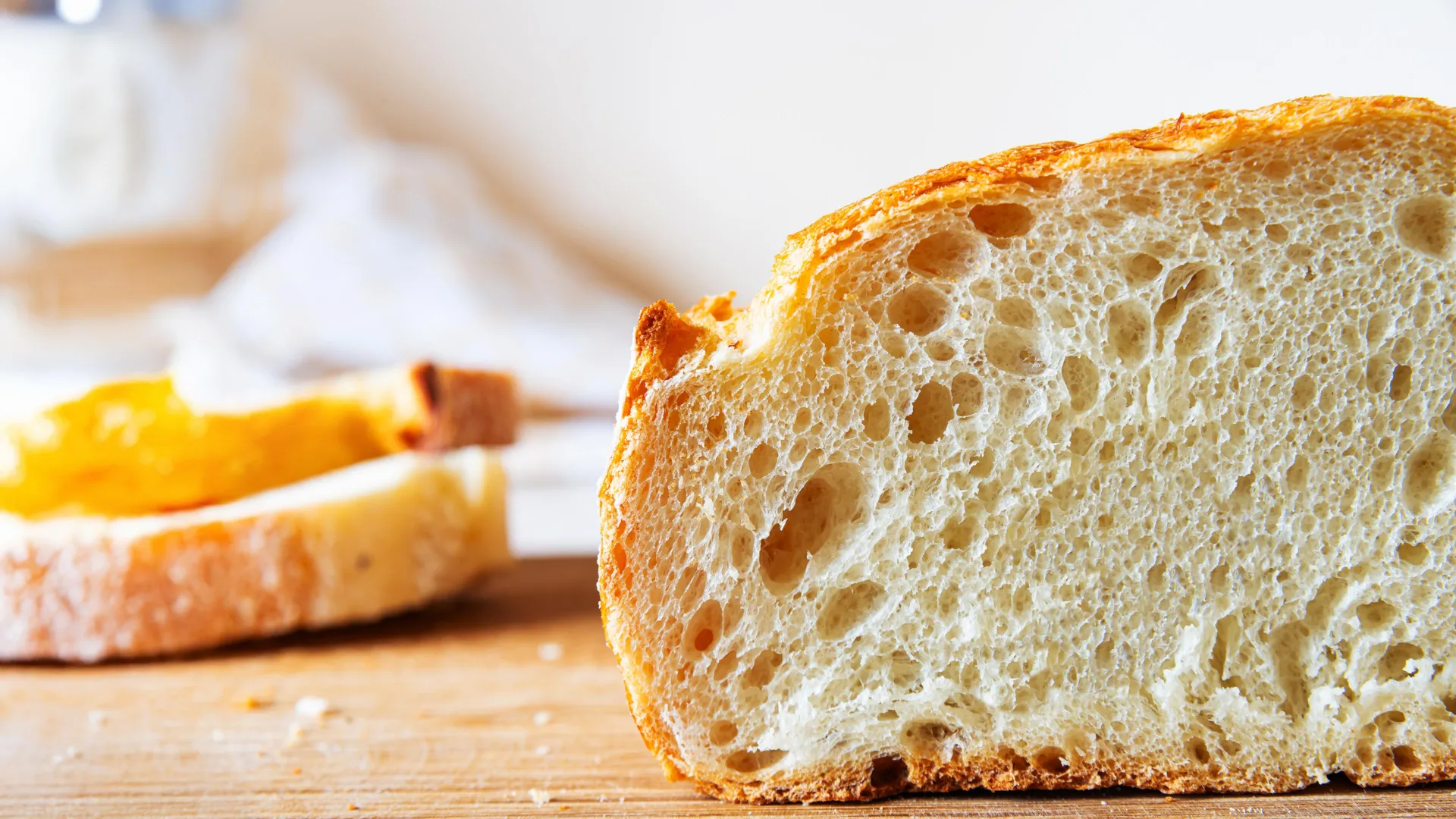
While the nutritional benefits of sunflower seed flour are clear, incorporating higher percentages into bread recipes can affect the final product’s texture. Loaves containing 20% or more sunflower seed flour tend to be smaller and firmer, with a denser crumb structure and reduced softness. Still, researchers discovered a solution: the addition of an aqueous extract (SFE). This extract, produced by simply mixing sunflower seed flour with water and filtering it, effectively preserves the bread’s structure and texture, bringing it closer to that of traditional wheat bread.
Mesquita suggests that future research could explore the potential of SFE to fully replace SF or be blended with it in varying ratios, allowing commercial bakeries to optimize formulations for both nutritional value and consumer appeal. This approach offers a practical pathway for integrating sunflower seed flour into mainstream bread production without compromising the sensory qualities consumers expect. The simplicity of producing the aqueous extract – requiring no additional physical or chemical treatments – further enhances its feasibility for large-scale implementation.
Future Research and Commercial Potential
The research team, comprised of scientists from the Multidisciplinary Laboratory of Food and Health (LabMAS) at the State University of Campinas (FCA-UNICAMP) in Brazil and the Laboratory of Food Technology and Nutrition at the Federal University of São Paulo (UNIFESP), is continuing to investigate the full potential of sunflower seed flour. Funding for this work was provided by FAPESP through several projects (13/04304-4, 20/15774-5, 18/14582-5, 20/08421-9, 15/00658-1, and 19/13496-0). Mesquita has also received a Young Researcher Grant for a related project focused on biorefinery innovations using macroalgae.
The next steps involve scaling up production and conducting further sensory evaluations to refine formulations and ensure consumer acceptance. Collaboration with commercial bakeries will be crucial in translating these research findings into tangible products available to consumers. The potential for sunflower seed flour to become a mainstream ingredient in bread and other baked goods is significant, offering a sustainable and nutritious alternative to traditional wheat-based products.
Key Takeaways
- Enhanced Nutrition: Sunflower seed flour significantly increases protein and fiber content in bread, reaching up to 27.16% protein.
- Antioxidant Boost: Breads made with sunflower seed flour exhibit higher antioxidant activity compared to traditional wheat bread.
- Sustainable Solution: Utilizing sunflower seed flour reduces food waste and supports a circular economy.
- Texture Improvement: Adding an aqueous extract helps maintain the desired texture of bread when using sunflower seed flour.
The ongoing research and development in this area promise to unlock even more potential for sunflower seed flour, paving the way for a more sustainable and nutritious food system. We encourage readers to share their thoughts on this innovative approach to breadmaking and to stay tuned for further updates on this exciting development.
Keep reading