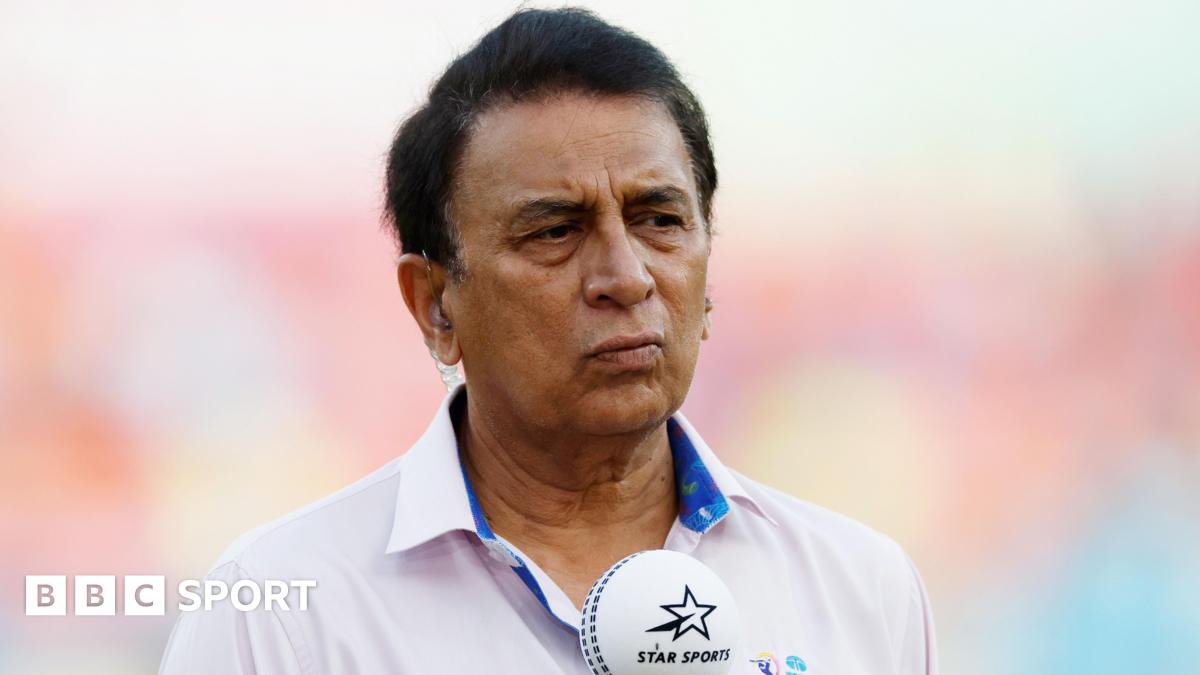
Leeds, United Kingdom – A recent signing by the Sunrisers Leeds cricket franchise has ignited a political firestorm, with former Indian captain Sunil Gavaskar voicing strong objections. Gavaskar has stated that the team’s acquisition of Pakistani spinner Abrar Ahmed “indirectly contributes to the deaths of Indian soldiers and civilians,” a statement that underscores the deep-seated tensions between India and Pakistan and the complex intersection of sports and politics. The controversy highlights a long-standing unofficial ban on Pakistani players in the Indian Premier League (IPL) and raises questions about the future of cross-border participation in cricket.
The Sunrisers Leeds, owned by the Sun Group – which also owns the Sunrisers Hyderabad IPL team – secured Abrar Ahmed for £190,000 at The Hundred auction last week. This move was initially seen as a potential thaw in relations, allaying fears that franchises affiliated with the IPL might avoid Pakistani players due to ongoing political pressures. However, the decision quickly drew criticism on social media, and Gavaskar’s public condemnation has amplified the backlash. The situation underscores the sensitivity surrounding sporting ties between the two nations, particularly given a history of conflict and mistrust.
A History of Political Tension and Sporting Boycotts
The roots of this controversy run deep, stemming from the 2008 Mumbai terrorist attacks, which led to an effective ban on Pakistani players from participating in the IPL. As reported by ESPN Cricinfo, this unofficial exclusion has persisted for over a decade, reflecting the broader political climate between India and Pakistan. Bilateral cricket series between the two countries have been infrequent, with the last one taking place in 2012-13. Recent encounters, such as the T20 World Cup match in Sri Lanka, have been marked by a lack of traditional sportsmanship, including captains foregoing handshakes at the toss.
The relationship further deteriorated in April 2025 with a four-day military conflict following a militant attack in India-administered Kashmir. The New York Times details how this event exacerbated existing tensions and reinforced the reluctance to engage in sporting collaborations. This history of conflict provides the backdrop for Gavaskar’s strong statement, which resonates with a significant segment of the Indian population.
Gavaskar’s Criticism and the Financial Argument
Sunil Gavaskar, a highly respected figure in Indian cricket with a distinguished playing career, articulated his concerns in a column for the Indian newspaper Mid-Day. He argued that the fees paid to Pakistani players ultimately contribute to the Pakistani government through taxation, which, in turn, could fund activities detrimental to India’s security. “The furore created by the acquisition of a Pakistani player by the Indian owner of a franchise in The Hundred is hardly surprising,” Gavaskar wrote, adding that the realization of this financial connection is “making Indian entities refrain from even considering having Pakistani artistes and sportspersons.”
Gavaskar’s argument centers on the idea that even indirect financial support to Pakistan could have negative consequences for India. He frames the issue as a matter of national security, suggesting that Indian-owned franchises have a responsibility to avoid actions that could potentially harm the country’s interests. This perspective reflects a strong nationalist sentiment prevalent in India, particularly concerning its relationship with Pakistan. The Times of India reported that Gavaskar believes Indian-owned franchises should refrain from signing Pakistani players altogether.
The Sun Group and IPL Affiliations
The ownership structure of Sunrisers Leeds adds another layer to the controversy. The franchise is owned by the Sun Group, the same media conglomerate that owns the Sunrisers Hyderabad team in the IPL. This connection has drawn particular scrutiny, as the Sun Group has historically adhered to the unofficial ban on Pakistani players in the IPL. The decision to sign Abrar Ahmed, appears to be a departure from established practice and has raised questions about the motivations behind the move.
The Sun Group, founded by Kalanithi Maran, has not yet issued a formal statement addressing Gavaskar’s criticism. His daughter, Kaviya Maran, was present at The Hundred auction when Abrar Ahmed was signed, indicating a level of approval from the ownership. However, the subsequent backlash suggests that the potential political ramifications were not fully anticipated.
Social Media Reaction and the ECB’s Response
The signing of Abrar Ahmed was met with a swift and negative reaction on social media. Sunrisers Leeds’ social media accounts faced heavy criticism, and the team’s X (formerly Twitter) account was temporarily suspended, although reports indicate this was due to a technical issue unrelated to the controversy. The online backlash demonstrates the sensitivity of the issue and the strong opinions held by fans on both sides of the border.
The England and Wales Cricket Board (ECB), the governing body for cricket in England and Wales, has declined to comment on the matter. BBC Sport reported that the ECB has not responded to requests for comment from Gavaskar or Sunrisers Leeds. This silence suggests that the ECB is attempting to distance itself from the controversy, potentially to avoid further escalating tensions between India and Pakistan.
The Broader Implications for The Hundred
This incident could have significant implications for the upcoming season of The Hundred, a franchise-based cricket competition launched in 2021. The controversy surrounding Abrar Ahmed’s signing threatens to overshadow the tournament and could lead to further protests or boycotts. It also raises questions about the future of Pakistani players in The Hundred, particularly those affiliated with IPL-owned franchises.
Privately, sources within the Indian cricket establishment believe the initial backlash may subside before the start of the IPL season, according to ESPN Cricinfo. However, Gavaskar’s prominent voice and the deeply ingrained political tensions suggest that the issue is unlikely to disappear entirely. The situation highlights the challenges of navigating the complex relationship between sports and politics in a globalized world.
Looking Ahead
The controversy surrounding Abrar Ahmed’s signing serves as a stark reminder of the enduring political tensions between India and Pakistan. It raises fundamental questions about the role of sports in international relations and the responsibilities of franchises and players in navigating these complex issues. The coming months will be crucial in determining how this situation unfolds and what impact it will have on the future of cricket between the two nations.
The next key development will be the start of The Hundred season in July, where Abrar Ahmed is expected to play for Sunrisers Leeds. The response from fans and the media during the tournament will likely shape the narrative surrounding this controversy. It remains to be seen whether the ECB will take any further action or whether the issue will continue to simmer beneath the surface. Readers are encouraged to share their thoughts and perspectives on this complex issue in the comments section below.