
Renewable Energy Expansion: Rolls-Royce and Sunly Partner on Baltic Battery Storage
The transition toward a more resilient and sustainable energy grid in Northern Europe reached a significant milestone this week as Sunly, a prominent renewable energy developer, announced a strategic collaboration with Rolls-Royce. This partnership aims to bolster the regional energy infrastructure by deploying large-scale battery energy storage systems (BESS) across Estonia and Latvia. The project, which targets a total capacity of 790 MWh, represents a critical step in integrating intermittent renewable sources into the Baltic power grid.
As the regional market shifts away from traditional base-load power, the reliance on wind and solar energy has necessitated advanced storage solutions to manage fluctuations in supply and demand. By leveraging high-capacity battery technology, the initiative seeks to stabilize the grid, ensuring that clean energy generated during peak production times remains available for periods of high consumption. This move is part of a broader trend of industrial-scale energy storage investments aimed at enhancing energy security across the Baltic states.
The collaboration between Sunly and Rolls-Royce is particularly notable for its scale. The 790 MWh capacity is designed to provide substantial buffering capabilities for the local grid, addressing the technical challenges associated with the rapid expansion of renewable generation. Industry analysts point to this development as a signal that the Baltic region is accelerating its efforts to meet European Union climate targets, which emphasize both the deployment of clean energy and the modernization of grid infrastructure to handle a decentralized power model.
Strategic Importance of Battery Energy Storage
Energy storage systems are increasingly viewed as the “missing link” in the decarbonization of the power sector. Unlike traditional power plants that can be throttled up or down based on demand, solar and wind assets are inherently variable. Battery storage facilities act as a reservoir, capturing excess electrons during periods of high wind or sunny weather and discharging them when generation dips. For regions like Estonia and Latvia, which are actively working to synchronize their grids with Continental Europe, the availability of large-scale storage is essential for maintaining frequency stability.
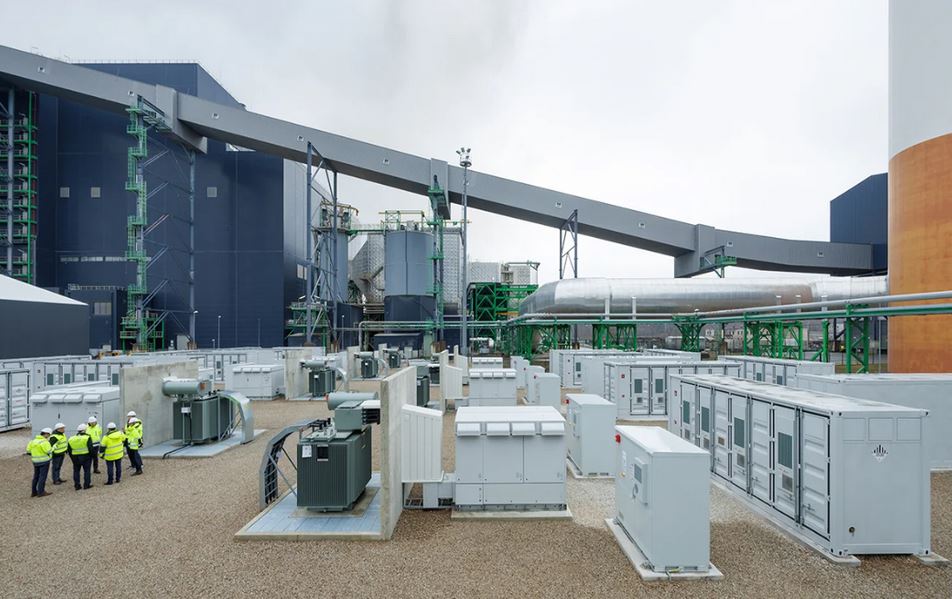
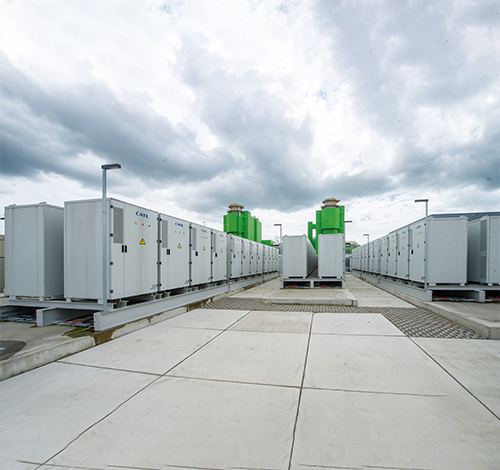
Rolls-Royce, through its power systems business, has been pivoting toward microgrid and battery solutions as part of its commitment to net-zero carbon goals. The company’s expertise in power management systems complements Sunly’s regional footprint, which includes a portfolio of solar parks, wind farms, and hybrid energy installations. By integrating sophisticated software controls with physical hardware, the partnership intends to maximize the utility of every megawatt produced.
The implementation of these storage systems is expected to provide more than just stability; it offers a mechanism for grid operators to avoid curtailment—a practice where renewable generation is disconnected from the grid because supply exceeds capacity. Reducing curtailment allows developers to extract more value from their assets while simultaneously lowering the carbon intensity of the regional energy mix.
Developing the Baltic Energy Landscape
Sunly has established itself as a key player in the Baltic and Polish energy markets, focusing on both the development of renewable projects and the support of startups within the electrification sector. The company’s growth strategy is underpinned by a significant capital base, which has enabled it to pursue large-scale infrastructure projects. According to company reports, Sunly has secured substantial capital to support its expansion, with a stated objective of reaching an operating capacity of 1,000 MW by the end of 2026.
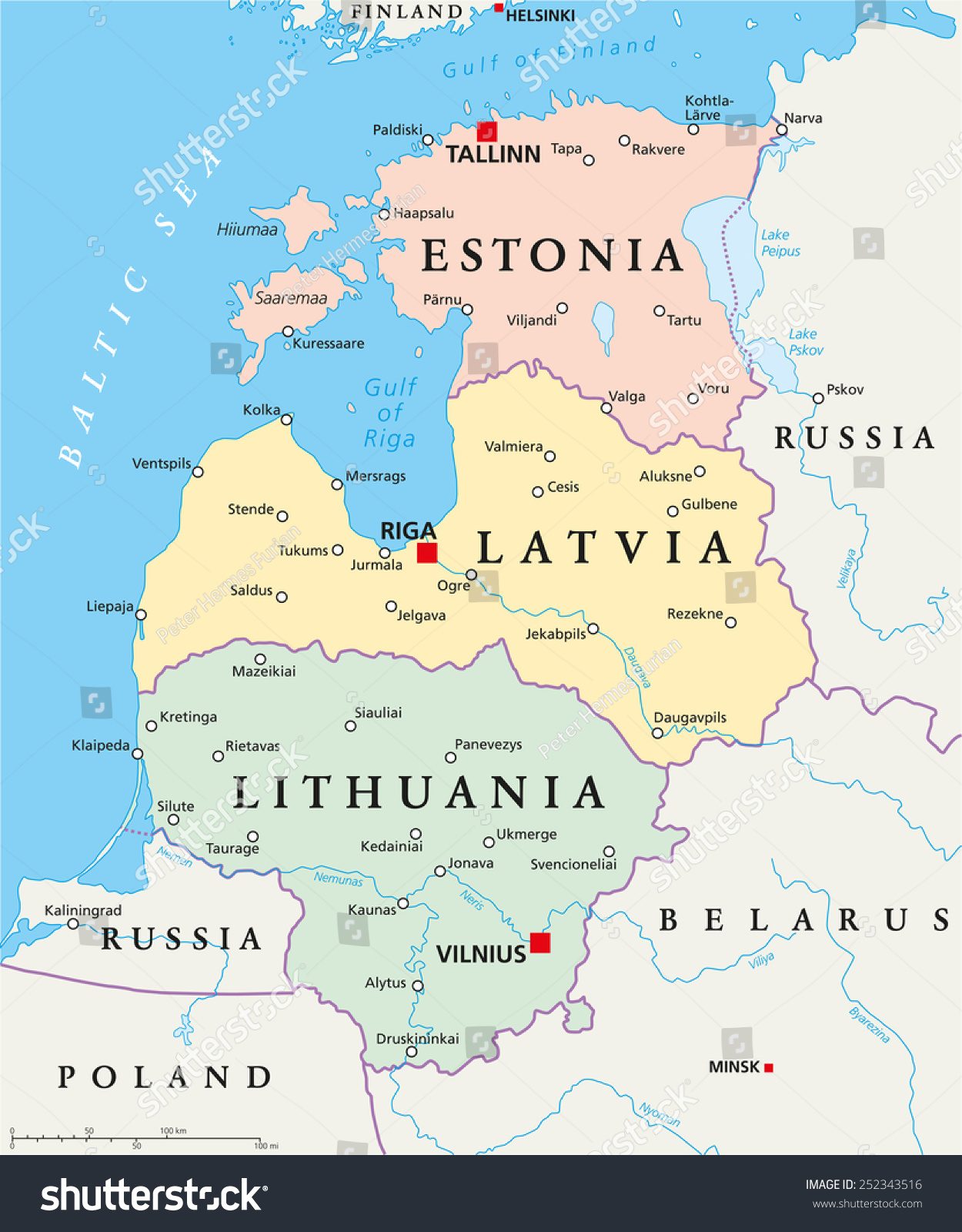
The choice of Estonia and Latvia for this deployment is strategic. Both nations have been proactive in fostering an environment conducive to renewable energy investments. The installation of 790 MWh of storage capacity will be among the largest of its kind in the region, positioning these countries as leaders in the adoption of advanced grid-balancing technologies. For businesses and home consumers alike, the project promises a more transparent and reliable energy landscape, potentially mitigating the price volatility that has historically impacted the region.
Looking ahead, the success of this project could serve as a blueprint for further cross-border energy cooperation. As the Baltic grid continues to integrate with the broader European market, the role of independent power producers (IPPs) and technology providers will remain central to navigating the complexities of the energy transition. Stakeholders, including policy makers and grid operators, are closely monitoring the rollout of these storage units to determine their efficacy in managing long-term grid reliability.
Key Considerations for the Energy Sector
- Grid Stability: Battery storage provides the necessary inertia and frequency response required to maintain a stable grid as coal and gas generation are phased out.
- Economic Value: By optimizing the timing of energy delivery, developers can participate in electricity markets more effectively, potentially reducing costs for end-users.
- Technological Integration: The shift toward “smart” energy systems, which use digital tools to manage storage and generation, is a core component of the modern grid.
- Regional Coordination: Projects spanning multiple countries, such as this one in Estonia and Latvia, highlight the necessity of regional cooperation in energy policy and infrastructure development.
As the project moves from the planning phase to deployment, industry observers expect further updates on the specific timelines for commissioning and the technical specifications of the battery systems. For those interested in the evolving energy policy of the Baltic region, official updates from national regulators and the participating companies will be the primary source of progress reports. We encourage our readers to follow the development of this initiative as it progresses through the upcoming installation phases. Please feel free to share your thoughts on the impact of large-scale energy storage in the comments section below.