“`html
The Rise of Monk Fruit: A Natural Sweetener Gaining Popularity
As consumers increasingly seek healthier alternatives to refined sugar, monk fruit (Siraitia grosvenorii) is emerging as a frontrunner in the natural sweetener market. Beyond being a calorie-free choice,monk fruit offers unique benefits that are attracting attention from food manufacturers and health-conscious individuals alike. Published January 17, 2026.
What is Monk Fruit?
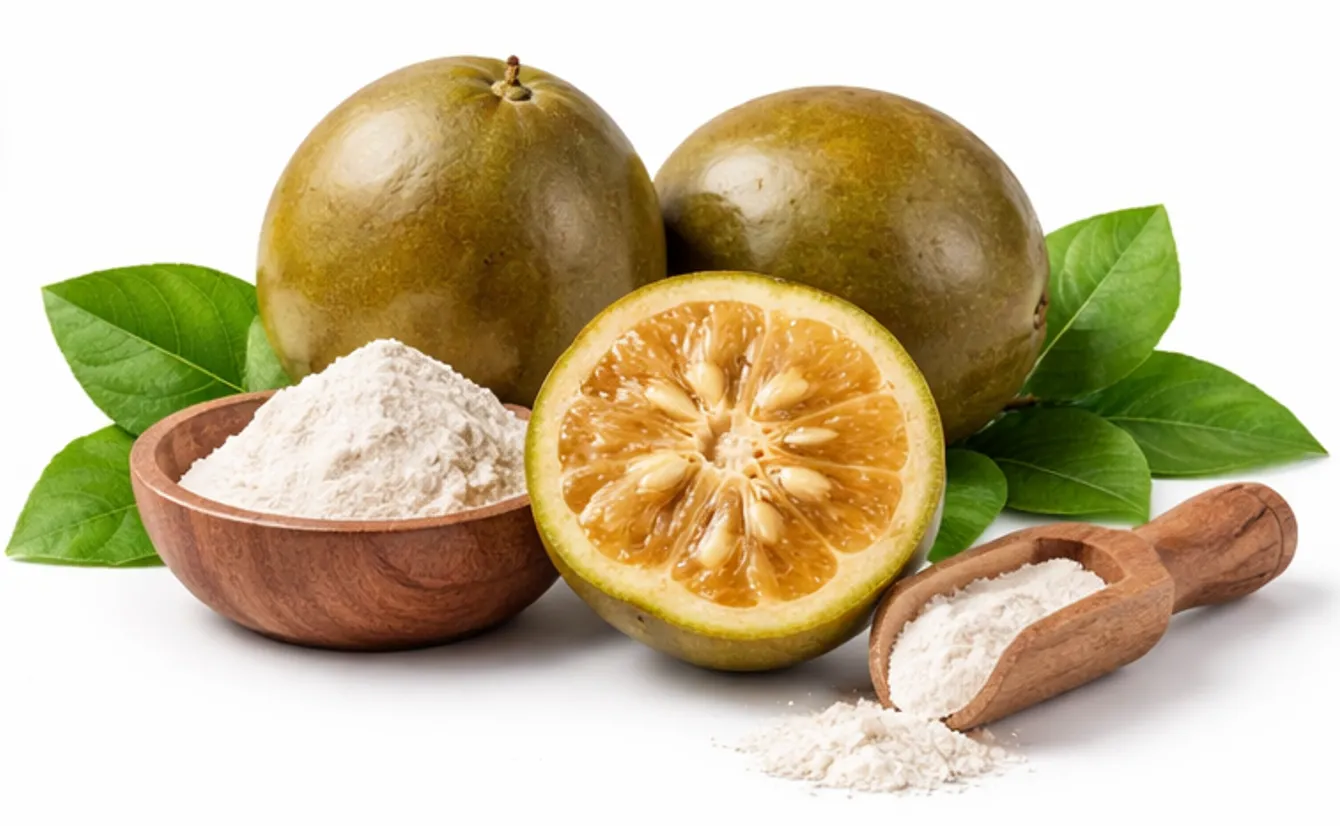
Monk fruit, native to Southern China and Southeast Asia, has been used for centuries in traditional Chinese medicine. The fruit itself is small and round, with a green rind and white flesh. However, it’s not the fruit that’s sweet, but rather the mogrosides-intense sweetness compounds-contained within the fruit’s seeds. These mogrosides are approximately 150-200 times sweeter than table sugar, meaning a very small amount provides notable sweetness. FDA has recognized monk fruit extracts as Generally Recognized as Safe (GRAS).
The Nutritional Benefits of Monk Fruit
unlike sugar, monk fruit contains zero calories and doesn’t raise blood sugar levels. This makes it an attractive option for people managing diabetes or looking to reduce their sugar intake.Here’s a breakdown of its key benefits:
- Zero Calories: Ideal for weight management.
- No Blood Sugar Impact: Safe for individuals with diabetes or insulin resistance. Research suggests it may even improve insulin sensitivity.
- Antioxidant Properties: Monk fruit contains antioxidants that can help protect against cell damage.
- May Support Oral Health: Unlike sugar, monk fruit doesn’t contribute to tooth decay.
How is Monk Fruit Sweetener Produced?
The process of extracting monk fruit sweetener involves several steps:
- Harvesting: Monk fruit is harvested before it ripens fully.
- Extraction: The seeds are removed and dried.
- Purification: Water or ethanol is used to extract the mogrosides.
- Concentration & filtration: The extract is concentrated and filtered to create a pure monk fruit sweetener.
Monk fruit sweetener is often blended with other carriers like erythritol, a sugar alcohol, to balance the sweetness and improve its texture and usability. Choosing a product with minimal added ingredients is recommended.
Monk Fruit vs. Other Sweeteners
How does monk fruit stack up against other popular sweeteners?
| Sweetener | Calories | Impact on Blood Sugar | Source |
|---|---|---|---|
| Sugar | 4 calories per teaspoon | Raises blood sugar | Sugarcane or sugar beets |
| Stevia | 0 calories | Minimal impact | Stevia plant |
| Erythritol | 0.24 calories per teaspoon | Minimal impact | Fermentation of corn or wheat |
| Monk Fruit | 0 calories | No impact | Monk fruit (Siraitia grosvenorii) |
Uses for Monk Fruit Sweetener
Monk fruit sweetener is versatile and can be used in a variety of ways:
- Beverages: Sweeten coffee, tea, smoothies, or water.
- Baking: Replace sugar in cakes, cookies, and muffins. Note that it doesn’t provide the same bulk as sugar, so adjustments to recipes may be needed.
- Desserts: Use it in yogurt,pudding,or fruit salads.
- Sauces & Condiments: Add sweetness
Worth a look