
Young migrants and refugees face significant barriers to healthcare access, particularly regarding the appropriate use of medications and the navigation of complex national health systems. According to the World Health Organization, these populations often experience higher risks of health inequities due to legal status, language barriers, and fragmented care continuity. Addressing these challenges requires a multifaceted approach that integrates trauma-informed care with culturally sensitive medical support, ensuring that medication management is both safe and accessible for individuals in precarious transit or transition phases.
As a physician, I have observed that the intersection of displacement and medical necessity creates a unique set of vulnerabilities. When young people arrive in a new country, they are frequently managing not only the physical demands of migration but also the psychological impact of their journey. A report by the European Union Agency for Fundamental Rights emphasizes that children and young adults seeking asylum are entitled to standard medical services, yet bureaucratic hurdles often delay essential treatment, including the prescription and monitoring of necessary medications.
Navigating Barriers to Pharmaceutical Access
The primary obstacles to medication access for young exiles include a lack of health insurance, administrative delays in residency processing, and limited information regarding local pharmacy regulations. In many jurisdictions, such as those governed by the EU Reception Conditions Directive, member states are mandated to provide necessary health care to asylum seekers, including emergency care and essential treatment of illnesses. However, the practical implementation of these mandates varies significantly, often leaving young migrants to rely on informal networks or non-governmental organizations for medical guidance.
Self-medication remains a persistent issue within displaced populations, often stemming from the inability to secure a formal consultation. When individuals cannot access a physician to obtain a prescription, they may turn to over-the-counter alternatives or medications brought from their home countries, which may not be appropriate for their current conditions or may interact negatively with other treatments. The Lancet Migration commission highlights that this lack of clinical oversight is a critical public health concern, as it can lead to missed diagnoses of chronic conditions or the worsening of acute health issues.
Integrating Trauma-Informed Care
Effective medical support for young migrants must go beyond basic symptom management; it requires a trauma-informed framework that acknowledges the stress of displacement. Many young exiles suffer from post-traumatic stress disorder (PTSD), anxiety, or depressive symptoms, which can complicate the adherence to medication regimens. According to the UNHCR, psychosocial support must be integrated into primary healthcare services to ensure that medical treatments are effective and that the patient feels secure in the clinical setting.
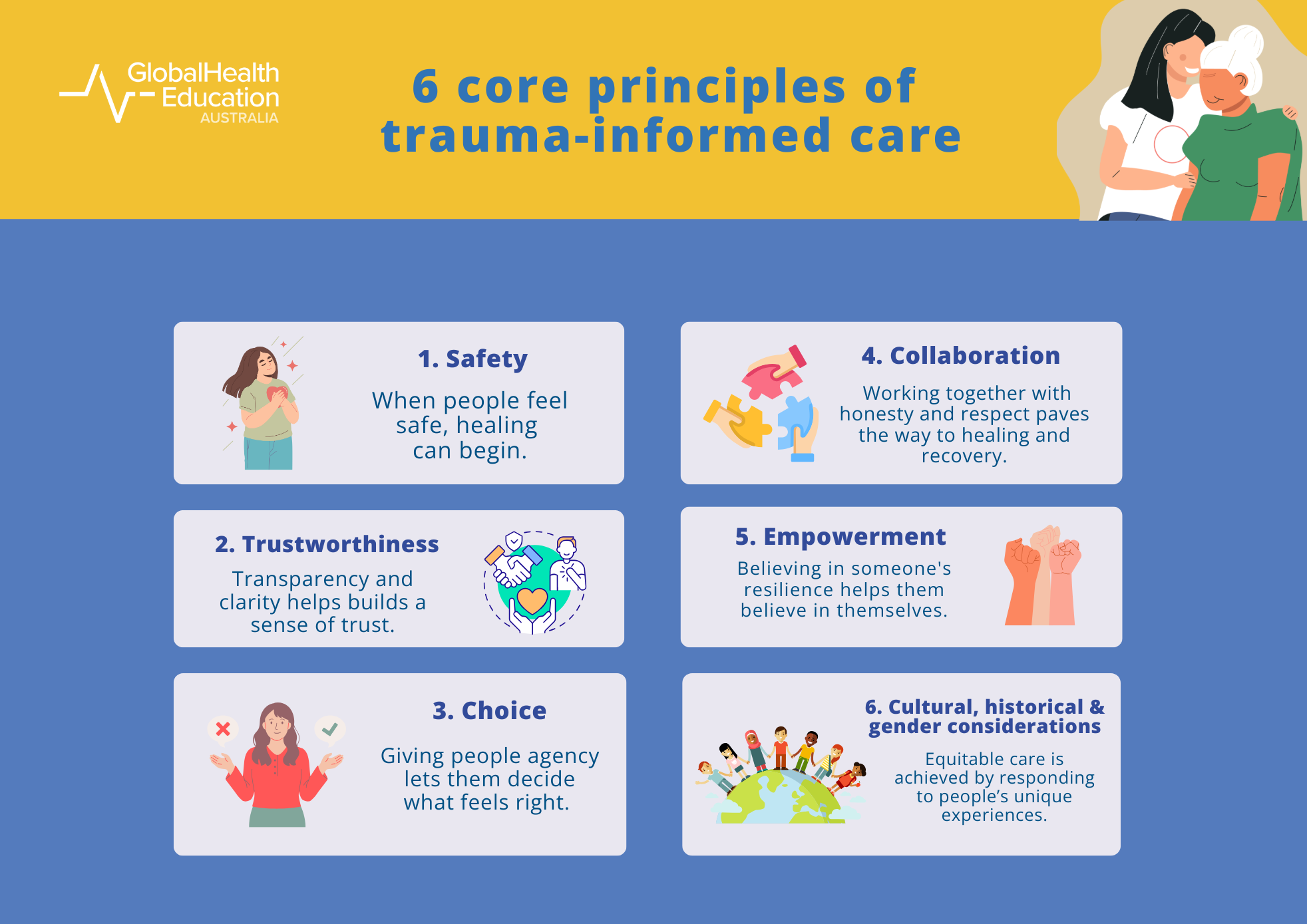
Building trust is essential. Young exiles are often wary of formal institutions due to fear of deportation or negative past interactions with authorities. Healthcare providers who employ cultural mediators—individuals who can bridge the gap between the patient’s cultural background and the medical system—report higher rates of successful treatment adherence. By ensuring that patients understand the purpose, dosage, and potential side effects of their medications in their native language, practitioners can mitigate the risks associated with improper use.
Improving Healthcare Equity for Migrant Youth
Policy reform is necessary to ensure that the right to health is not contingent upon residency status. In Germany, for example, the Asylum Seekers Benefits Act (AsylbLG) outlines the framework for medical services, though critics and medical associations frequently argue that these provisions remain restrictive compared to the general population’s access. Advocacy groups continue to push for the integration of asylum seekers into the standard statutory health insurance system to ensure better continuity of care.
For healthcare professionals, the priority remains the delivery of care based on clinical need rather than administrative classification. The World Medical Association maintains that physicians have an ethical obligation to provide care to all patients, regardless of their background. By advocating for simplified registration processes and the provision of interpreters, the medical community can play a vital role in reducing the health disparities faced by young migrants.
Key Considerations for Practitioners
- Continuity of Care: Prioritize the transfer of medical records and the identification of chronic health needs early in the reception process.
- Language Access: Utilize certified medical interpreters rather than relying on family members to ensure accuracy in medication instructions.
- Psychosocial Integration: Screen for mental health needs as part of routine physical examinations to address the root causes of somatic complaints.
- Community Outreach: Partner with local NGOs that have already established trust within migrant communities to facilitate easier access to clinics.
The next major policy review regarding the health rights of asylum seekers in the European Union is expected to coincide with upcoming legislative discussions on the New Pact on Migration and Asylum. As these discussions progress, the focus must remain on the human right to health, ensuring that no young person is left without the medication or care they need to survive and thrive. Readers are encouraged to share their experiences or professional insights in the comments section below to foster a broader discussion on this critical public health issue.

Worth a look