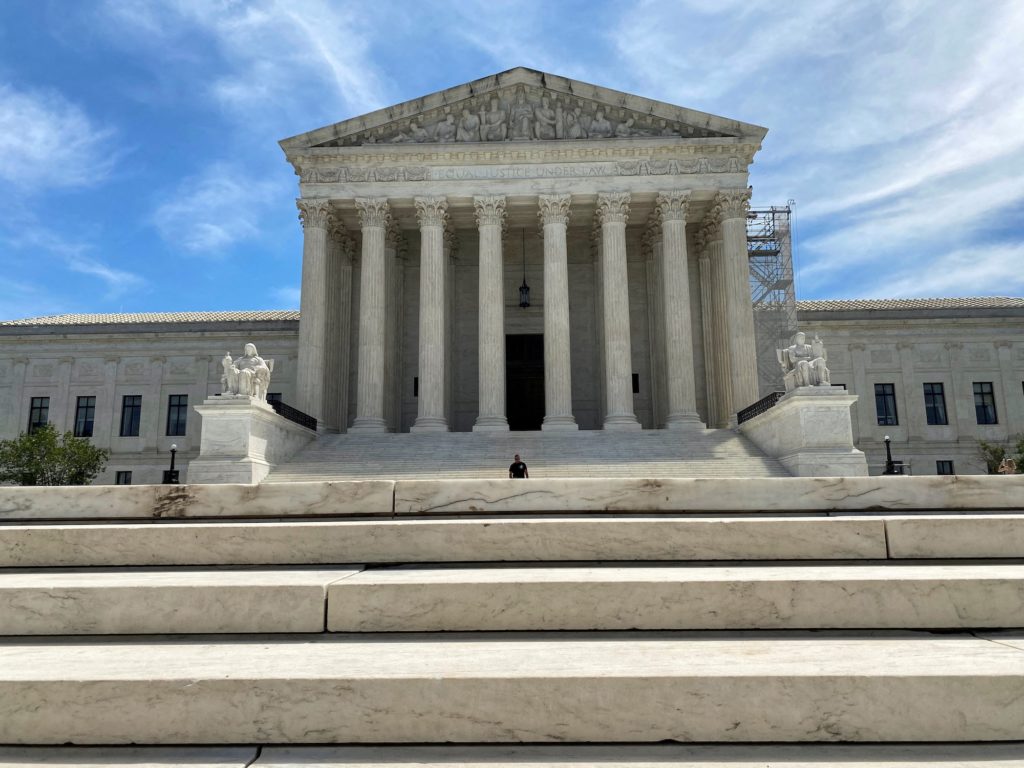
Supreme Court Considers Limits on Party Spending in Campaigns
The Supreme Court is currently weighing a case that coudl dramatically reshape campaign finance regulations, possibly allowing political parties to spend unlimited sums in coordination with their candidates. This case centers around longstanding limits designed to prevent what many see as a pathway to corruption and undue influence in elections. Let’s break down what’s happening and what it means for you.
The Core of the debate
For decades, federal law has restricted how much money national party committees can spend directly assisting their candidates. These limits were intended to maintain a degree of fairness and prevent a situation where massive contributions could be seen as buying political favors. Now, the Republican National Commitee (RNC) is challenging those restrictions, arguing they infringe on the First amendment rights of political parties to engage in free speech.
Arguments for Change
Proponents of lifting the limits contend that they put parties at a disadvantage compared to independant groups, like Super PACs, which can already spend unlimited amounts of money. They believe parties shoudl have the same ability to advocate for their candidates without artificial constraints. Essentially, they argue that restricting party spending doesn’t actually reduce the overall influence of money in politics, it just shifts where that money goes.
Concerns About Corruption
Though, critics, primarily Democrats and campaign finance watchdogs, warn that removing these limits could open the door to corruption. They fear that large donations to party committees could lead to quid pro quo arrangements – where contributions are made in exchange for specific actions or favors from elected officials.
As an elections attorney representing the Democratic Party explained, the concern is that “hundreds of thousands or million-dollar checks can now be spent on an unlimited basis to benefit a particular candidate.” This, they argue, directly undermines the principles of fair elections and public trust.
What the Justices are Saying
During oral arguments,the justices grappled with the delicate balance between protecting free speech and preventing corruption. Justice Brett Kavanaugh voiced concerns about the diminishing power of political parties relative to outside groups,suggesting this trend could be detrimental to our democracy. He also acknowledged the need to address potential corruption and circumvention of existing laws.
Conversely, Justice Sonia Sotomayor and other liberal justices questioned where the line would be drawn if these limits were removed. She pointedly asked, “Once we take off this coordinated expenditure limits, then what’s left? What’s left is nothing, no control whatsoever.”
Key Takeaways for You
* Increased Spending: If the Court rules in favor of the RNC, you can expect to see a notable increase in spending by national party committees.
* Potential for Greater Influence: This could mean more direct party involvement in campaigns and potentially greater influence of large donors.
* Uncertain Future: The decision will have far-reaching implications for the future of campaign finance and the role of money in politics.
What Happens Next?
The Supreme Court is expected to issue a decision in this case by next summer. The outcome will undoubtedly shape the landscape of future elections and continue the ongoing debate about the role of money in American politics. It’s a complex issue with no easy answers,but one that directly impacts your voice and portrayal in government.
Worth a look