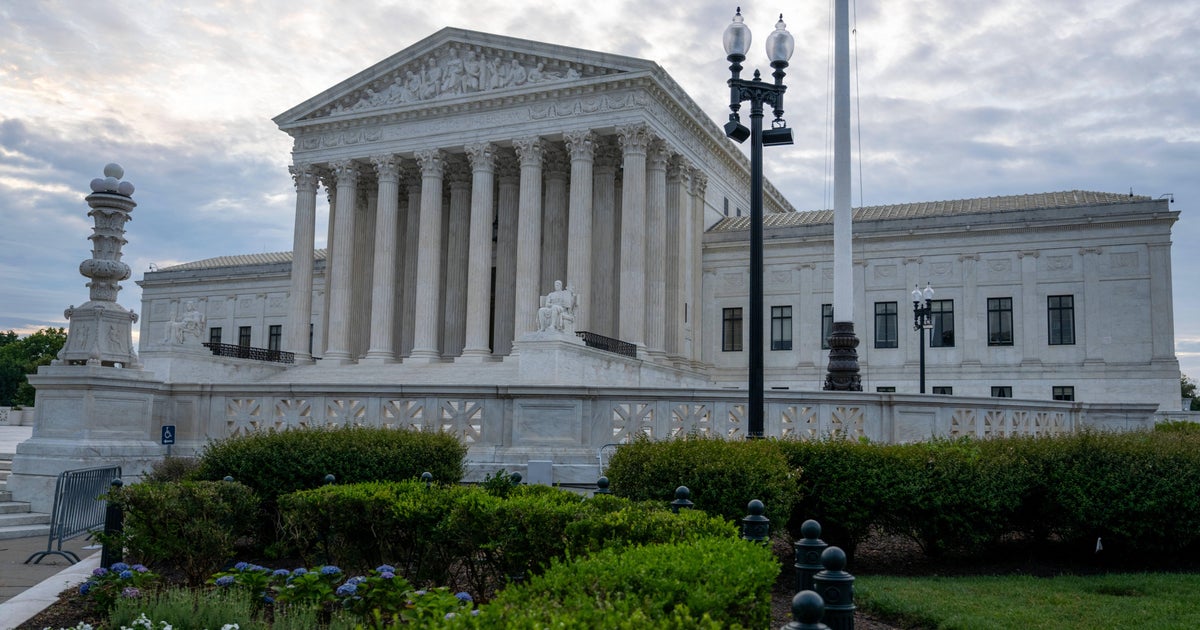
The U.S. Supreme Court has declined to intervene in a legal challenge regarding a Hawaii law that restricted the carry of firearms on private property open to the public. By denying the petition in Tsatsaronis v. Hawaii, the high court left in place a lower court ruling that upheld the state’s authority to regulate gun possession in spaces such as business premises and retail stores, according to court records released on October 7, 2024.
This decision maintains the status quo for gun owners in Hawaii, who remain subject to state statutes requiring explicit permission from property owners to carry firearms on premises accessible to the general public. The case is part of a broader wave of litigation following the Supreme Court’s 2022 decision in New York State Rifle & Pistol Association, Inc. v. Bruen, which established a new historical-tradition test for evaluating the constitutionality of firearm regulations, as detailed by the Supreme Court of the United States.
Background of the Hawaii Gun Law Dispute
The legal challenge originated from a Hawaii statute that effectively prohibited individuals from carrying firearms on private property that is open to the public unless they had received express consent from the owner. Plaintiffs argued that this “default ban” infringed upon their Second Amendment rights to carry firearms for self-defense in public spaces, a right solidified by the Bruen ruling, which stated that the Second Amendment protects an individual’s right to carry a handgun for self-defense outside the home.

Lower courts, including the U.S. Court of Appeals for the Ninth Circuit, had previously determined that the Hawaii law did not violate the Second Amendment. The appellate court’s reasoning centered on the concept that private property owners retain the right to exclude firearms from their premises, and that the state’s regulation of such conduct falls within historical traditions of property rights and public safety, according to the U.S. Court of Appeals for the Ninth Circuit docket.
Legal Implications of the Supreme Court’s Refusal
By choosing not to hear the case, the Supreme Court avoided issuing a definitive ruling on the extent to which states can regulate firearms on private property that is open to the public. For legal analysts, this refusal signals a continued period of uncertainty for lower courts attempting to apply the Bruen standard to “sensitive places” or private property restrictions.

The Bruen decision mandated that gun laws must be consistent with the nation’s historical tradition of firearm regulation. However, because the Supreme Court did not provide a specific opinion on the Hawaii case, the Ninth Circuit’s interpretation remains the governing law in that jurisdiction. This means that in Hawaii, the burden remains on the individual to ensure they have explicit permission to carry a firearm on private land that is open to the public, as reported by Reuters.
Comparing Perspectives on Second Amendment Litigation
The legal landscape surrounding firearm regulations remains deeply polarized. Proponents of stricter gun control argue that private property owners should have the autonomy to decide whether firearms are permitted on their premises, emphasizing that the Second Amendment does not grant an unfettered right to carry weapons into every privately owned business or facility. They view the Hawaii law as a reasonable exercise of state police power to maintain public safety.
Conversely, gun rights advocates maintain that such laws function as “vampire rules”—regulations that they argue are designed to nullify the Bruen decision by creating a patchwork of restrictions that make it nearly impossible for law-abiding citizens to exercise their right to carry. They argue that if a property is open to the public, the Second Amendment should apply with full force, regardless of the property’s private ownership status.
What Happens Next for Gun Law Challenges
While the Hawaii case has concluded at the Supreme Court level, other challenges to state-level gun control measures continue to move through the federal court system. Legal experts expect that the Supreme Court will eventually be forced to clarify the application of the Bruen test to private property and sensitive locations as conflicting rulings emerge from different federal circuits.
For residents and business owners in Hawaii, the current guidance remains unchanged: compliance with state law requires verifying private property policies before carrying firearms in public-access areas. Official updates regarding Hawaii’s firearm statutes and licensing requirements are maintained by the Hawaii Department of the Attorney General. As the judiciary continues to refine the scope of the Second Amendment, further filings in related cases are expected in the coming months.
Have questions about how this ruling affects your local jurisdiction? Share your thoughts or ask for further clarification in the comments section below.
Keep reading