
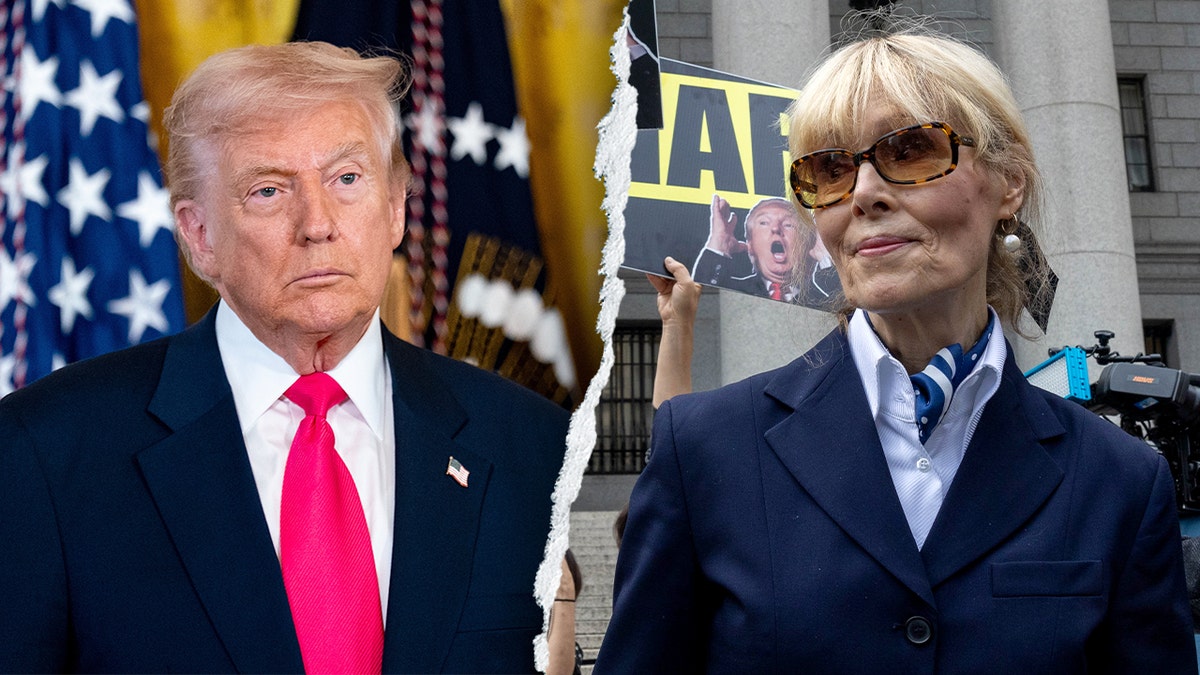
The U.S. Supreme Court has declined to hear an appeal from Donald Trump regarding a $5 million civil judgment in favor of writer E. Jean Carroll, effectively ending his attempt to challenge the verdict in the Supreme Court. The court’s decision to leave the lower court ruling in place marks a resolution for this specific defamation and battery case, which stemmed from a 2022 jury finding.
Donald Trump expressed surprise at the outcome. The legal proceedings in this matter have been closely followed. The $5 million award was determined by a jury in the U.S. District Court for the Southern District of New York, which found that Trump had sexually abused and defamed Carroll, according to court documents filed in the case.
The Supreme Court’s decision to deny the petition for a writ of certiorari was issued without comment or recorded dissent. This refusal to intervene means the underlying judgment from the U.S. Court of Appeals for the Second Circuit remains the final word in this litigation.
Legal Background of the Carroll Verdict
The origins of this case date back to a civil lawsuit filed by E. Jean Carroll, who alleged that Donald Trump sexually abused her in a Bergdorf Goodman dressing room in the mid-1990s. In May 2023, a federal jury reached a verdict, awarding Carroll damages for sexual abuse and an additional amount for defamation related to statements Trump made about her after she went public with her allegations.
The jury found that while the evidence did not support a finding of rape under New York penal law, it did support a finding of sexual abuse. The legal team for Donald Trump had argued that the proceedings were flawed and sought to overturn the damages through the appellate process. However, the Second Circuit Court of Appeals upheld the district court’s judgment, prompting the appeal to the Supreme Court. According to records from the U.S. District Court for the Southern District of New York, the judgment has remained a subject of intense legal debate regarding the application of state defamation laws and federal civil procedure.
Impact of the Supreme Court’s Decision
By declining to hear the case, the Supreme Court has signaled that it will not provide further judicial review of the $5 million award. For the plaintiff, this confirms the finality of the jury’s decision and the associated financial penalty. For the defendant, the decision marks the conclusion of this specific legal avenue, though it does not impact other ongoing civil or criminal proceedings involving Donald Trump in different jurisdictions.

Legal analysts note that the Supreme Court receives thousands of petitions annually and grants review to only a small fraction, typically those involving significant questions of federal law or constitutional interpretation. The court’s silence on this petition indicates that the justices did not find a sufficient legal basis to justify overturning the lower court’s findings. Detailed information regarding the court’s docket and the status of this petition can be accessed via the Supreme Court’s official portal.
What Happens Next
With the Supreme Court’s refusal to intervene, the legal requirements established by the trial court remain in effect. The judgment stands as a final civil liability, and the process for satisfying the award is governed by standard debt collection and enforcement procedures within the New York court system. There are no further appeals available for this specific case, as it has reached the highest level of the United States judiciary.
While this matter is now concluded, Donald Trump remains involved in other active legal challenges across several states. Observers of the judicial process expect that any future updates regarding the enforcement of this judgment or other related civil matters will be filed in the Southern District of New York. Readers are encouraged to share their perspectives on the impact of this ruling in the comments section below.