
Supreme Court Rules Against Falun Gong in Cisco Surveillance Case: Limits on Foreign Human Rights Lawsuits
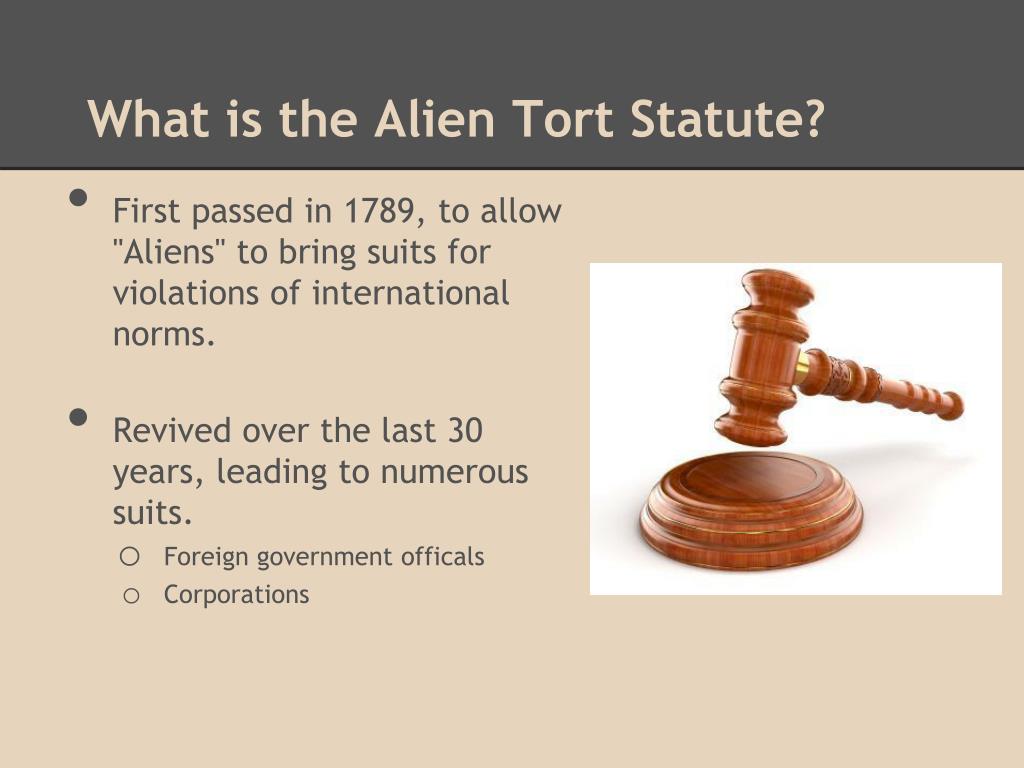
The U.S. Supreme Court has ruled in favor of Cisco Systems, dismissing a lawsuit brought by Falun Gong practitioners who alleged the tech company helped China’s government surveil and persecute their spiritual group. In a 5-4 decision announced today, the justices limited the scope of lawsuits under the Alien Tort Statute (ATS), a 1789 law that allows foreign citizens to sue in U.S. courts for human rights violations committed abroad. The ruling marks a significant narrowing of corporate accountability for alleged complicity in overseas abuses.
The case, Cisco Systems, Inc. v. Zheng, centered on claims that Cisco sold surveillance technology to Chinese authorities, enabling them to monitor and target Falun Gong adherents. The plaintiffs argued that Cisco’s actions violated international law and the company’s own human rights policies. However, the Supreme Court’s majority held that the ATS does not extend to claims of corporate complicity in foreign government actions unless those actions directly violate specific international norms.
According to the court’s opinion, authored by Justice Neil Gorsuch, the plaintiffs failed to demonstrate that Cisco’s alleged conduct violated “specific, universal, and obligatory” norms of international law. The decision underscores the high bar for such lawsuits moving forward, potentially making it harder for victims of overseas abuses to seek justice in U.S. courts.
“The ATS does not provide a general federal remedy for violations of the law of nations. It does not provide a cause of action for every violation of international law committed by actors who are not sovereigns.”
What Was the Case About?
The lawsuit was filed in 2010 by Falun Gong practitioners—including plaintiff Yunxia Zheng—who claimed Cisco sold video surveillance equipment to China’s Ministry of State Security and other agencies known for targeting the spiritual group. Falun Gong, a Chinese spiritual practice suppressed by the government since the late 1990s, has been labeled an “evil cult” by Beijing and subjected to widespread persecution, including forced labor camps and surveillance.
According to court filings, the plaintiffs argued that Cisco’s technology was used to identify and monitor Falun Gong members, enabling their detention and abuse. They sought damages under the ATS, which has been used in past cases to hold corporations accountable for human rights abuses, such as child labor in the cocoa industry (Doe v. Nestlé) or torture by foreign governments (Kadic v. Karadzic).
Cisco denied the allegations, stating in court documents that it “complies with all applicable laws and regulations” and that its products are used for legitimate purposes. The company argued that the lawsuit improperly targeted its business operations in China and that U.S. courts lacked jurisdiction over the claims.
How Did the Supreme Court Rule?
The Supreme Court’s decision hinged on two key legal questions: whether the ATS applies to corporate complicity claims, and whether the plaintiffs’ allegations violated specific international norms. The majority answered both in the negative.
Writing for the majority, Justice Gorsuch emphasized that the ATS was not intended to create a “general federal remedy” for all violations of international law. Instead, he wrote, the statute applies only to violations of “specific, universal, and obligatory” norms—such as piracy or torture—that are “so fundamental that they are part of the law of all nations.”
The court cited its 2018 decision in Jesner v. Arab Bank, which limited ATS claims to “direct” violations by foreign officials, as precedent. Today’s ruling extends that limitation to corporate defendants, effectively closing a loophole that had allowed plaintiffs to sue companies for indirect involvement in abuses.
In dissent, Justice Sonia Sotomayor argued that the majority’s interpretation “ignores the text and history of the ATS” and would leave victims of corporate human rights abuses without recourse. She warned that the ruling could “undermine the ability of foreign victims to seek justice in U.S. courts.”
Key Takeaways
- The Supreme Court ruled 5-4 in favor of Cisco, dismissing the Falun Gong lawsuit under the Alien Tort Statute.
- The decision limits lawsuits against corporations for alleged complicity in foreign government abuses unless those abuses violate “specific, universal, and obligatory” international norms.
- Falun Gong practitioners claimed Cisco’s surveillance technology was used to target them, but the court rejected those claims as not meeting the ATS threshold.
- Justice Gorsuch’s opinion narrows the scope of the ATS, making it harder for foreign plaintiffs to sue in U.S. courts for human rights violations.
- The ruling contrasts with earlier cases where the ATS was used to hold corporations accountable for overseas abuses, such as child labor or torture.
What Does This Mean for Human Rights Lawsuits?
The Supreme Court’s decision has far-reaching implications for human rights litigation, particularly for cases involving corporate defendants. Legal experts say the ruling could:
- Reduce corporate liability for alleged complicity in foreign government abuses, even when those abuses are severe.
- Shift focus to direct perpetrators, making it harder for victims to hold companies accountable for enabling overseas violations.
- Impact Falun Gong cases specifically, as practitioners may now struggle to pursue claims against tech companies supplying surveillance tools to China.
- Encourage more litigation in foreign courts, as U.S. courts become less accessible for human rights plaintiffs.
Human rights organizations have criticized the ruling as a setback for victims seeking justice. The International Commission of Jurists stated in a statement that the decision “undermines the ability of victims of serious human rights violations to seek redress in U.S. courts.” Meanwhile, corporate accountability advocates argue that the ruling sends a message to businesses that they can operate with impunity in repressive regimes.
For Falun Gong practitioners, the ruling is particularly devastating. The group has long relied on U.S. courts to challenge abuses by the Chinese government, including through lawsuits against banks and tech companies. With today’s decision, their legal options in the U.S. are now severely limited.
How Does This Compare to Past Supreme Court Rulings on the ATS?
The Supreme Court has repeatedly narrowed the scope of the Alien Tort Statute in recent years, reflecting a broader trend of limiting foreign plaintiffs’ access to U.S. courts. Here’s how today’s ruling fits into that pattern:
| Case | Year | Ruling | Impact |
|---|---|---|---|
| Sosa v. Alvarez-Machain | 2004 | Limited ATS to violations of “specific, universal, and obligatory” international norms. | Established the modern framework for ATS lawsuits. |
| Kiobel v. Royal Dutch Petroleum | 2013 | Required “touch and concern” with the U.S. for ATS claims. | Made it harder for foreign plaintiffs to sue in U.S. courts. |
| Jesner v. Arab Bank | 2018 | Limited ATS to “direct” violations by foreign officials, excluding corporate defendants. | Narrowed corporate liability under the ATS. |
| Cisco Systems, Inc. v. Zheng | 2024 | Dismissed Falun Gong lawsuit, further limiting corporate complicity claims. | Effectively ends ATS lawsuits against corporations for indirect involvement in abuses. |
As the table shows, today’s ruling is the latest in a series of decisions that have progressively restricted the Alien Tort Statute. While earlier cases focused on jurisdictional limits, today’s decision directly targets the ability of plaintiffs to sue corporations for complicity in human rights abuses.
What Happens Next for Falun Gong and Similar Cases?
Falun Gong practitioners and their legal teams are likely to explore alternative avenues for justice, including:

- International courts, such as the International Criminal Court (ICC) or regional human rights tribunals, though these have their own limitations.
- State-level lawsuits, where some U.S. states have passed laws allowing claims against companies complicit in human rights abuses.
- Public pressure campaigns targeting Cisco and other tech companies to adopt stricter human rights policies.
- Legislative action, such as pushing for new federal laws that would hold corporations accountable for overseas abuses.
For Cisco, the ruling removes a significant legal risk, but the company may still face scrutiny over its operations in China. Activist groups have already called for boycotts and shareholder resolutions demanding greater transparency about Cisco’s business practices in repressive regimes.
The next major checkpoint for this case will be any potential appeals or further litigation in lower courts. However, given the Supreme Court’s finality in most cases, legal experts suggest that today’s ruling is likely to stand. The focus will now shift to how lower courts interpret the decision in future ATS cases.
Where to Find Official Updates and Legal Resources
For readers seeking more information on the Supreme Court’s decision and its implications, the following resources are available:
- Full text of the Supreme Court’s opinion in Cisco Systems, Inc. v. Zheng (PDF).
- SCOTUSblog’s case analysis and background.
- International Commission of Jurists’ statement on the ruling.
- Falun Gong information center.
- Human Rights Watch’s coverage of corporate accountability.
The Supreme Court’s decision in Cisco v. Zheng is a landmark ruling that will shape human rights litigation for years to come. We welcome your thoughts on how this decision affects corporate accountability and the rights of victims of overseas abuses. Share your perspective in the comments below or discuss this story on our social media channels.
Related reading