
The U.S. Supreme Court ruled 6-3 in the case of Al Otro Lado v. Mayorkas, affirming that the federal government possesses the legal authority to turn away asylum-seekers who have not yet reached physical U.S. soil at a port of entry. The decision, delivered along ideological lines, effectively upheld the legality of “metering” policies—a practice that limits the daily number of asylum applicants processed at official border crossings. According to the Supreme Court’s official opinion, the court determined that the plaintiffs failed to establish a statutory right to be processed at a specific time or in a specific manner when they had not yet arrived at the border checkpoint itself.
Understanding the Legal Basis for Metering
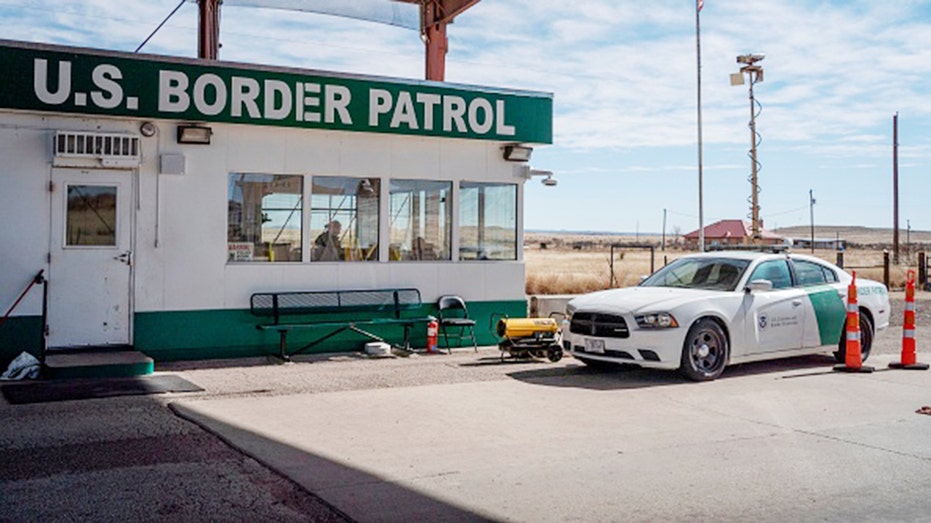
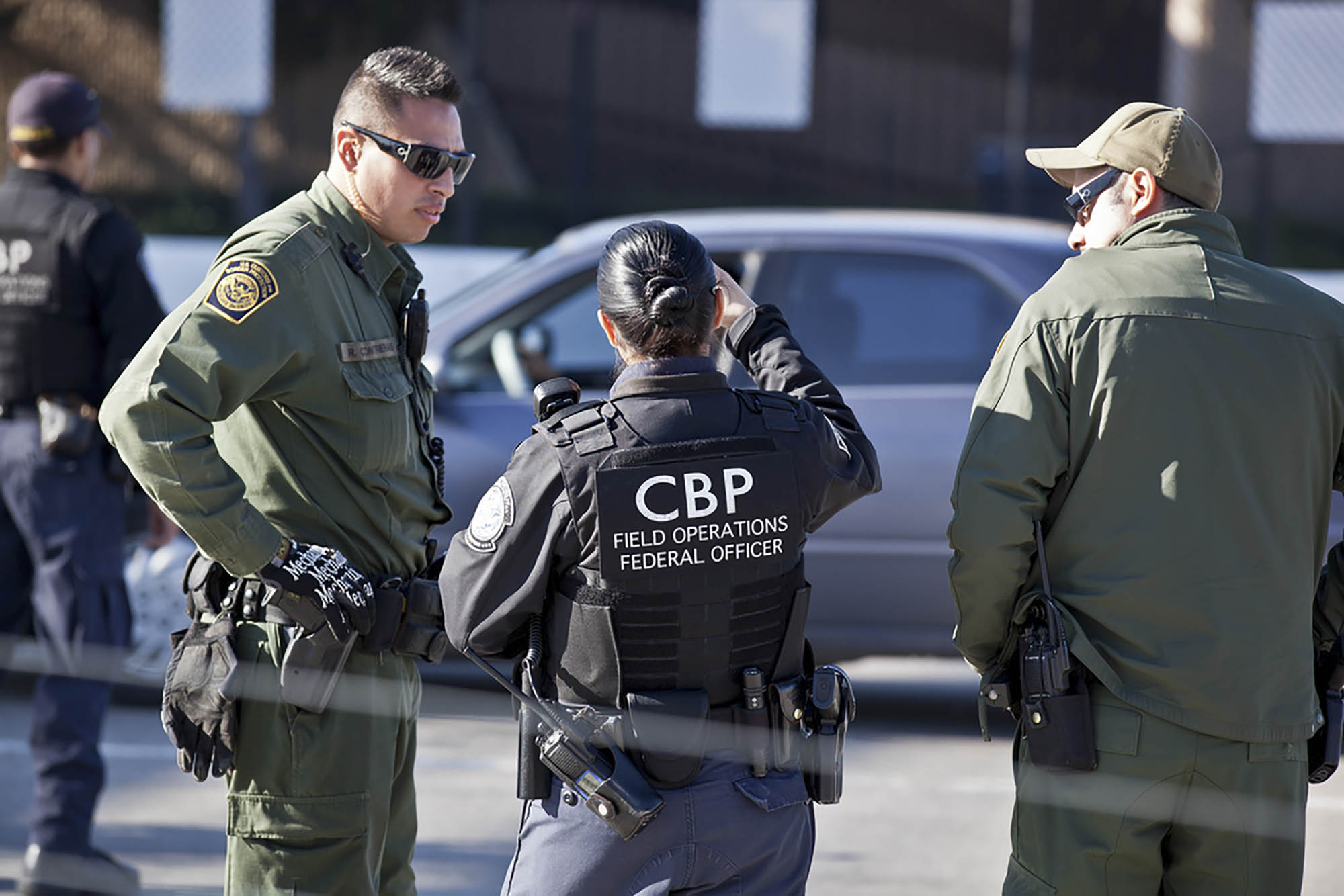
The practice of “metering” involves U.S. Customs and Border Protection (CBP) officers limiting the intake of asylum-seekers at ports of entry, often citing capacity constraints or operational volume. In the majority opinion, the court emphasized that federal immigration statutes grant the executive branch significant discretion in managing border operations. The legal dispute centered on whether individuals waiting on the Mexican side of the border had a legally enforceable right to be processed under the Immigration and Nationality Act. The Immigration and Nationality Act historically governs the procedures for asylum claims, but the court found that this framework does not mandate that the government must accept every asylum application regardless of the logistical capacity at a port of entry.
The History of Asylum Processing Policies
Metering was not a policy unique to a single administration; it was utilized during the Obama administration and expanded significantly during the Trump administration. Immigration advocates argued that these policies forced vulnerable individuals to wait in dangerous conditions in border cities, effectively denying them their legal right to seek protection. Conversely, government attorneys maintained that the policy was a necessary tool to manage the overwhelming volume of arrivals and to maintain safety and order at busy border crossings. The U.S. Customs and Border Protection data shows that the volume of asylum-seekers arriving at the southern border has fluctuated significantly over the last decade, with peak periods often straining existing infrastructure and personnel resources.
Impact on Asylum-Seekers and Border Operations
For those seeking asylum, the court’s ruling creates a significant hurdle in the legal process. By confirming that the government can turn away individuals who have not yet reached U.S. territory, the ruling limits the ability of non-governmental organizations to challenge the denial of access at the border line. According to legal analysis provided by the American Immigration Council, this decision prioritizes executive discretion over the expansive interpretation of asylum rights previously sought by immigrant advocacy groups. The practical effect is that individuals may face longer wait times in Mexico, and the government retains the latitude to determine how many applicants are processed on any given day without facing immediate litigation for “turning away” those who have not entered the country.
Next Steps in Immigration Litigation
The Supreme Court’s decision concludes this specific phase of the Al Otro Lado litigation, but it does not preclude future challenges to other border enforcement strategies or executive policies. Immigration policy remains a frequent subject of litigation in federal courts, with various states and organizations filing suits regarding the implementation of border security measures. The next major checkpoint for border policy will involve ongoing administrative adjustments as the Department of Homeland Security updates its processing protocols to align with current federal court guidance. For those monitoring changes in asylum procedures, the Department of Homeland Security press office provides the most current official updates regarding changes to border processing, personnel allocation, and regulatory adjustments.

Jonathan Reed serves as the News Editor for World Today Journal. With over 16 years of experience in international reporting, he specializes in analyzing the intersection of law, politics, and global human rights. Please share your thoughts on this ruling in the comments section below.
Worth a look