
The United States Supreme Court issued a ruling on Wednesday that clarifies the scope of federal restrictions on firearm possession, specifically addressing the intersection of marijuana use and Second Amendment rights. The Court’s decision, which centers on the case of Daniels v. United States, narrows the application of a federal statute that has historically been used to prosecute individuals for possessing firearms while using controlled substances, a law that notably featured in recent high-profile federal proceedings involving Hunter Biden.
The ruling effectively requires the government to meet a higher burden of proof when enforcing bans on gun ownership for drug users. According to the Supreme Court’s official opinion, the government must demonstrate that an individual’s substance use and firearm possession were contemporaneous in a way that poses a specific danger, rather than relying on a broad, categorical prohibition that fails to account for the nuances of modern drug policy and constitutional protections.
Understanding the Legal Precedent
The case originated from the prosecution of a Texas man, which reached the high court after lower courts struggled to reconcile the federal ban on gun ownership by “unlawful users” of controlled substances with the Second Amendment’s protections as defined in the 2022 New York State Rifle & Pistol Association, Inc. v. Bruen decision. Under the Bureau of Alcohol, Tobacco, Firearms and Explosives (ATF) guidelines, individuals who use marijuana—even in states where it is legal for medical or recreational use—have historically been classified as prohibited persons, rendering them unable to legally purchase or possess firearms.
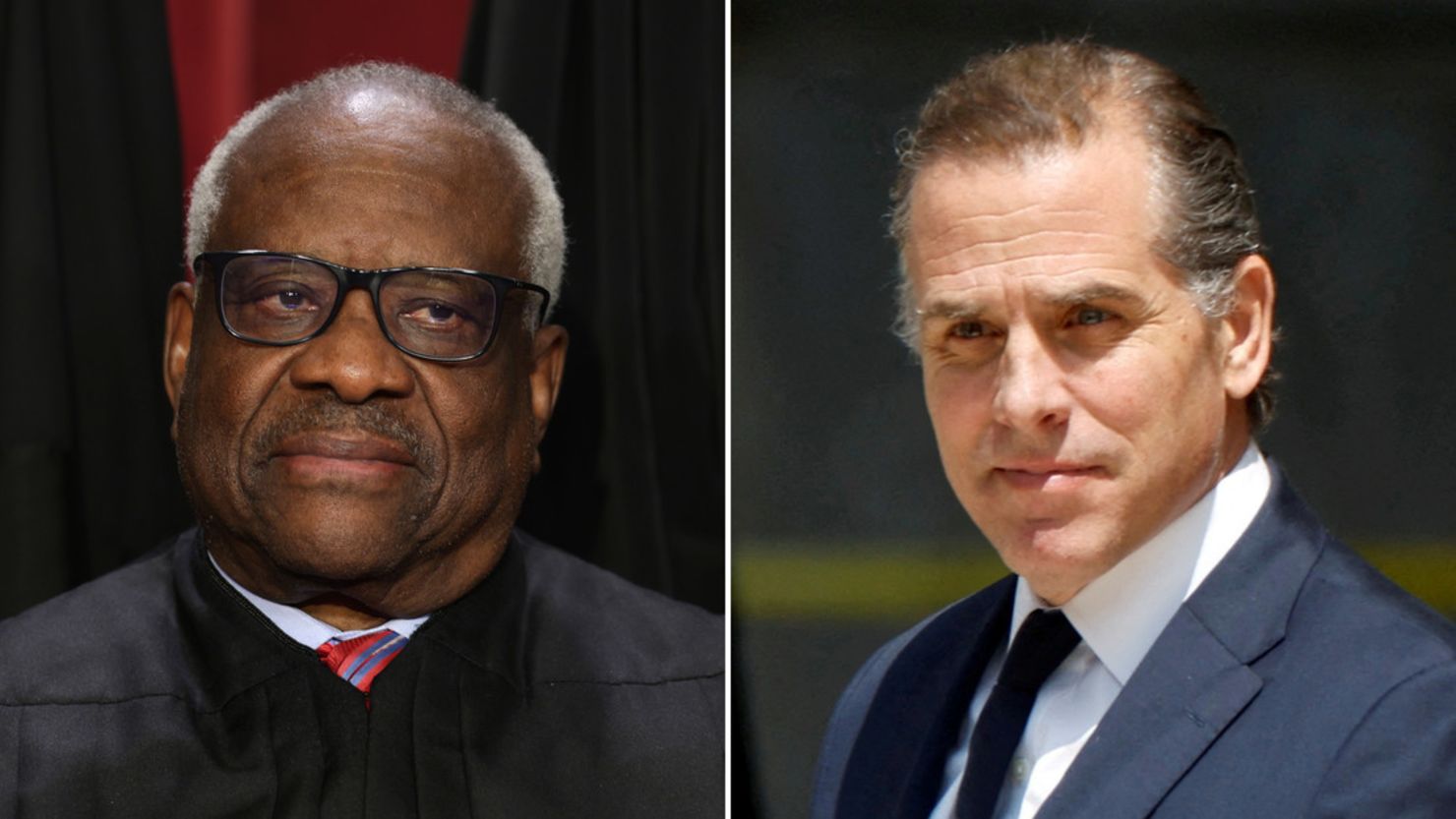
The Supreme Court’s decision emphasizes that the government’s authority to disarm citizens based on drug use must be grounded in a historical tradition of firearm regulation, a standard established by the Court’s previous jurisprudence. By narrowing the interpretation of the statute, the Court has signaled that the federal government cannot maintain a blanket prohibition that indiscriminately affects all marijuana users without a more robust evidentiary link to public safety risks, as reported by Reuters.
Impact on Federal Prosecutions
The legal challenge gained national attention due to its overlap with the statutory framework used in the prosecution of Hunter Biden, who was convicted in June 2024 on charges related to the purchase of a firearm while using a controlled substance. Legal analysts noted that while this Supreme Court ruling limits the government’s future reach, it does not automatically invalidate past convictions. According to the Department of Justice, the application of new Supreme Court precedents to ongoing or concluded cases requires a case-by-case review by federal prosecutors and appellate courts.
The ruling serves as a significant check on the executive branch’s use of administrative law to enforce firearm restrictions. By requiring a more direct nexus between substance use and gun-related violence, the Court has shifted the burden of proof back to the prosecution. This decision is expected to influence how federal agencies, such as the Department of Justice and the ATF, draft and enforce policies regarding firearm eligibility in an era where state-level marijuana legalization continues to diverge from federal law, as noted by the Congressional Research Service.
What Happens Next for Gun Law Enforcement
Following this ruling, federal prosecutors are expected to adjust their litigation strategies in cases involving firearm possession and drug use. The immediate impact will be felt in pending cases where the defense can now cite the Supreme Court’s narrowed interpretation to challenge the constitutionality of the charges. The Court did not explicitly strike down the entire statute, but it restricted the government’s ability to interpret “unlawful user” in a manner that ignores the specific context of the defendant’s actions.
Future developments will likely emerge from lower court rulings as judges apply the Supreme Court’s new standard to specific factual scenarios. Interested parties can monitor official updates via the Supreme Court Docket for filings related to remanded cases. As the legal landscape evolves, the intersection of state-legalized cannabis and federal gun laws remains a point of significant litigation. Further guidance from the Department of Justice on how they intend to reconcile this ruling with current federal statutes is expected in the coming months. We encourage readers to join the discussion in the comments section below or share this analysis with those interested in the evolving state of constitutional law.
Worth a look
- Senate Panel Votes to Hold Anthony Fauci in Contempt: Rand Paul Seeks Prosecution
- Norfolk Police Respond to Thetford Residential Area as Third Night of Protests Begins
- Russian Missile and Drone Strikes Kill Six Across Ukraine (time.news)
- OpenAI Brings ChatGPT Think Button to Free and Plus Users (world-today-news.com)