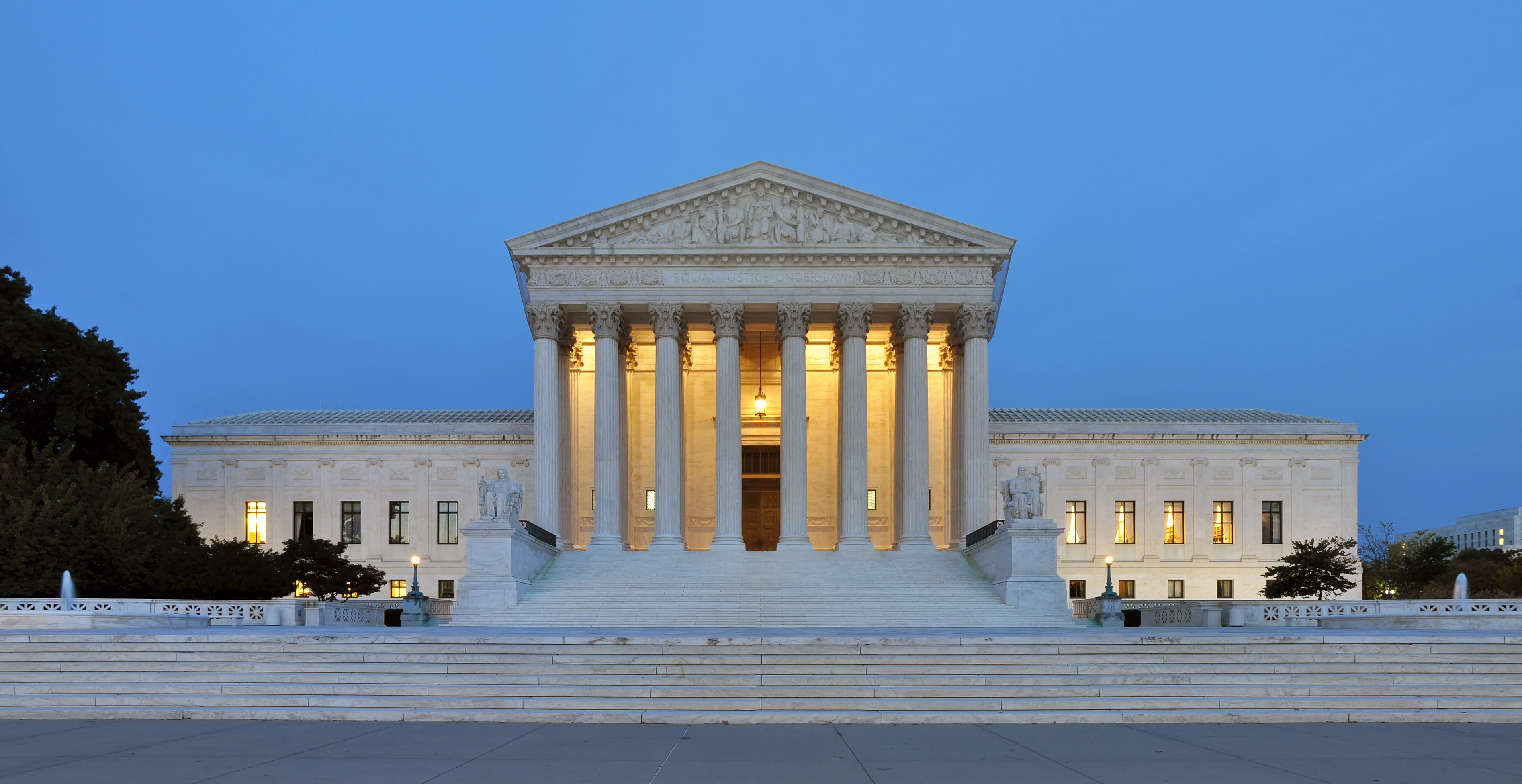
The United States Supreme Court has stepped in to temporarily preserve access to mifepristone, a widely utilized medication for abortion, ensuring that current distribution methods remain intact while the justices deliberate on a legal challenge. The decision provides a brief window of stability for patients and providers who rely on telehealth and mail-order services to obtain the drug.
In an order issued Monday, Justice Samuel Alito clarified that women seeking abortions can continue to obtain the pill through pharmacies or via the mail. Crucially, this order maintains the current standard that does not require an in-person visit to a physician, effectively pausing the implementation of more restrictive measures that had been ordered by a lower court.
This intervention by the high court prevents restrictions imposed by a federal appeals court from taking effect immediately. The legal battle centers on the balance between federal regulatory authority and state-level abortion bans, as the court considers whether the Food and Drug Administration’s (FDA) current prescribing rules are lawful.
The Legal Challenge to FDA Prescribing Rules
The current controversy stems from a lawsuit filed by the state of Louisiana, which seeks to roll back the Food and Drug Administration rules governing how mifepristone can be prescribed and distributed. Louisiana officials argue that the federal policy undermines the state’s own abortion ban and have raised questions regarding the safety of the medication.

Prior to the Supreme Court’s Monday order, the case had seen significant movement in the lower courts. A three-judge panel of the 5th U.S. Circuit Court of Appeals had previously ruled that access via mail and telehealth visits should be suspended while the legal proceedings continued. Lower courts had also indicated that Louisiana was likely to prevail in its challenge.
The Supreme Court’s decision to extend access until at least Thursday suggests a period of deliberation as the justices weigh the merits of Louisiana’s claims against the established federal guidelines. The outcome of this deliberation will have immediate implications for how medication abortions are accessed across the United States.
Safety and Regulatory History of Mifepristone
Mifepristone has been a part of the U.S. Healthcare landscape for over two decades. The drug was first approved by the FDA in 2000, and since that time, it has been subjected to extensive review. According to the primary records of the case, FDA scientists have repeatedly deemed the drug to be safe and effective for its intended use.
The FDA’s rules, which are currently under scrutiny, allow for a level of flexibility in prescribing that has expanded the reach of reproductive healthcare, particularly in regions where physical clinics are scarce. The ability to receive the medication via mail after a telehealth consultation has become a primary method of access for many patients.
Louisiana’s challenge specifically targets these distribution methods, arguing that the lack of an in-person requirement creates safety risks and bypasses state law. However, the FDA maintains that its scientific evaluations support the current safety profile of the drug when administered according to established protocols.
Context in a Post-Roe Legal Landscape
This case arrives during a period of intense legal volatility regarding reproductive rights in the United States. The current dispute over mifepristone is the latest in a series of high-profile abortion controversies following the decision by the Supreme Court four years ago to overturn Roe v. Wade.
The overturning of Roe v. Wade ended the federal constitutional right to abortion, which in turn allowed more than a dozen states to implement effective bans on the procedure. This shift has moved the legal battleground from the right to an abortion to the legality of the medications used to induce one, as these drugs can often be obtained regardless of state-level bans on clinical procedures.
The tension between federal FDA approval and state-level prohibitions creates a complex jurisdictional conflict. If the Supreme Court eventually upholds the restrictions sought by Louisiana, it could set a precedent that allows states to override federal drug safety and distribution rules when those rules conflict with state abortion laws.
What Happens Next
The current order issued by Justice Alito provides a temporary reprieve, but the window is narrow. The court is expected to provide further guidance or a final ruling on whether the restrictions on mifepristone will take effect following the Thursday deadline.
Stakeholders, including healthcare providers and patient advocacy groups, are closely monitoring the court’s deliberations. The final decision will determine if the FDA’s rules on telehealth and mail-order prescriptions remain the national standard or if access will be severely curtailed, requiring in-person medical visits and limiting the availability of the drug in states with restrictive laws.
The next confirmed checkpoint for this case is Thursday, when the temporary extension of access is currently set to expire. Further updates will depend on whether the Supreme Court issues a new order or a final judgment on the legality of the FDA’s prescribing guidelines.
We invite our readers to share their perspectives on this developing legal story in the comments below and to share this report with others following the intersection of federal law and state reproductive policies.