
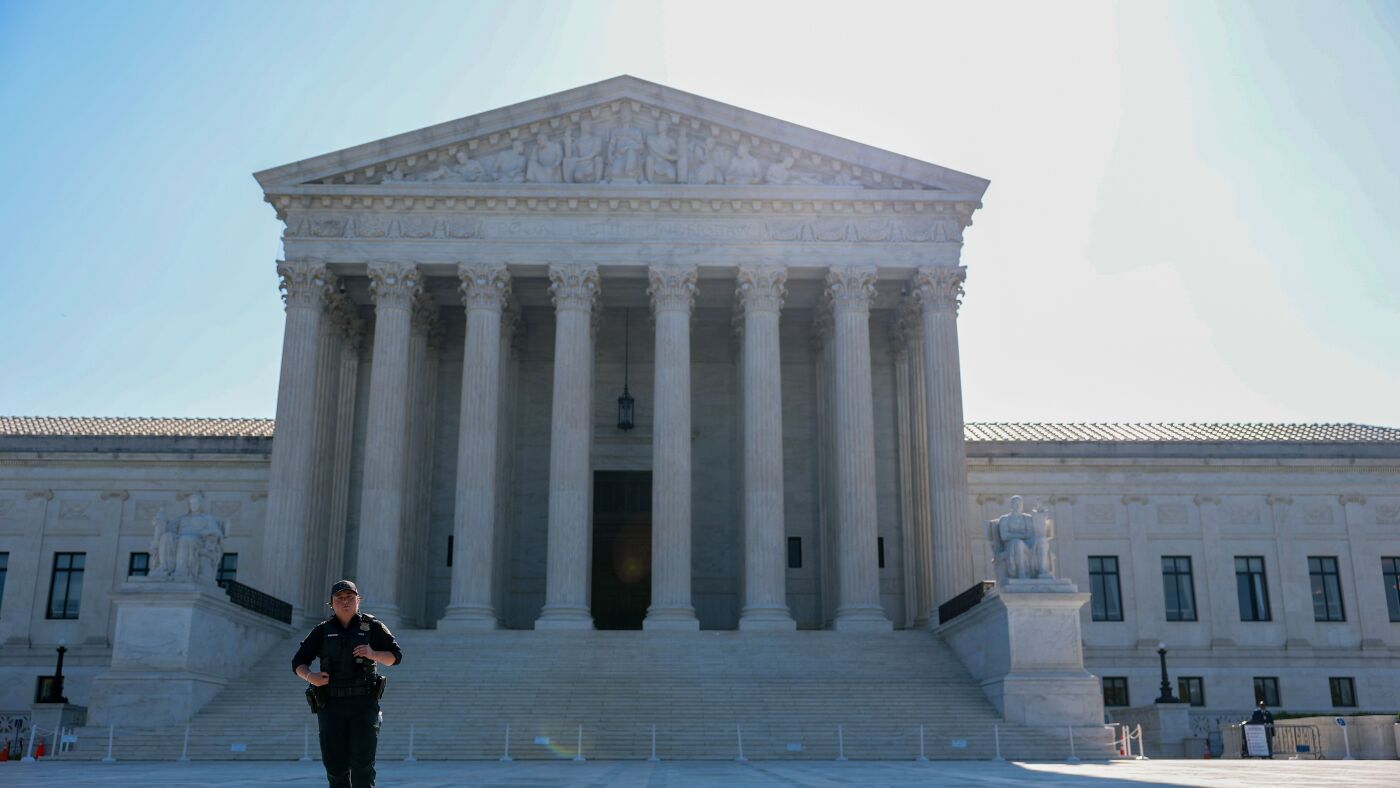
The Supreme Court upheld the right of children born on U.S. soil to automatic American citizenship. In so doing, the court rejected President Trump’s most aggressive attempt to limit immigration.
As a physician and health journalist, I often observe how legal frameworks directly influence the social determinants of health. The stability of birthright citizenship ensures that millions of children in the U.S. have access to essential public health services, education, and social safety nets, which are critical for long-term health outcomes. When these foundational rights are debated in the judicial arena, the potential for uncertainty can have significant implications for public health policy and the accessibility of care for vulnerable populations.
The Constitutional Basis for Citizenship
The principle of birthright citizenship is derived from the first sentence of the 14th Amendment to the U.S. Constitution, which states: “All persons born or naturalized in the United States, and subject to the jurisdiction thereof, are citizens of the United States and of the State wherein they reside.” The Supreme Court’s definitive ruling in United States v. Wong Kim Ark (1898) solidified the interpretation that this clause applies to children born to non-citizen parents on U.S. territory.

Legal scholars maintain that overturning this precedent would require a constitutional amendment, as the Supreme Court has historically shown little inclination to revisit the established interpretation of the 14th Amendment. While various political figures have occasionally suggested that an executive order could override this constitutional provision, the prevailing consensus among legal experts is that the President lacks the authority to unilaterally alter the application of the Constitution via executive action.
Why Citizenship Status Matters for Community Health
From a public health perspective, the security of citizenship status is a critical factor in health equity. When citizenship is guaranteed at birth, it ensures that children can participate in programs such as the Children’s Health Insurance Program (CHIP) and Medicaid, which are vital for preventing infectious diseases and managing chronic conditions.
Uncertainty regarding immigration policy can create “chilling effects,” where families may avoid seeking necessary medical care for their children out of fear that their status could be scrutinized or changed. As an internal medicine physician, I have seen firsthand how access to preventative care—such as vaccinations and early screenings—is improved when families feel secure in their legal standing. Protecting the constitutional guarantee of birthright citizenship ensures that public health interventions can reach all residents effectively, thereby reducing the burden of preventable disease within the broader population.
Navigating Legislative and Executive Challenges
Political attempts to limit or redefine birthright citizenship have surfaced periodically throughout American history. These efforts often focus on the "subject to the jurisdiction thereof" phrase, with some proponents of change arguing that children of undocumented immigrants do not fall under the full jurisdiction of the United States.
For those interested in tracking the evolution of these policies, the U.S. Citizenship and Immigration Services (USCIS) provides official updates regarding naturalization and citizenship requirements. While political rhetoric may fluctuate, the fundamental legal requirements for citizenship remain unchanged unless acted upon by Congress through a constitutional amendment process or a formal shift in Supreme Court jurisprudence, neither of which has occurred.
Where to Find Official Information
Readers seeking clarity on how current immigration and citizenship laws affect their families should consult verified government resources rather than relying on political commentary. The following portals provide the most accurate, up-to-date information regarding legal status and rights:

- The official USCIS website for information on birthright citizenship and naturalization.
- The Supreme Court of the United States docket for information on pending cases related to constitutional rights.
- The Centers for Disease Control and Prevention (CDC) for resources on how public health policy impacts all children living in the U.S.
The legal landscape surrounding citizenship remains a subject of intense public interest. As the judicial branch continues to uphold the 14th Amendment, the focus for policymakers and health advocates remains on ensuring that the rights of all children are protected to foster a healthier, more equitable society. If you have questions about how these legal developments intersect with community health, please share your thoughts or inquiries in the comments section below.