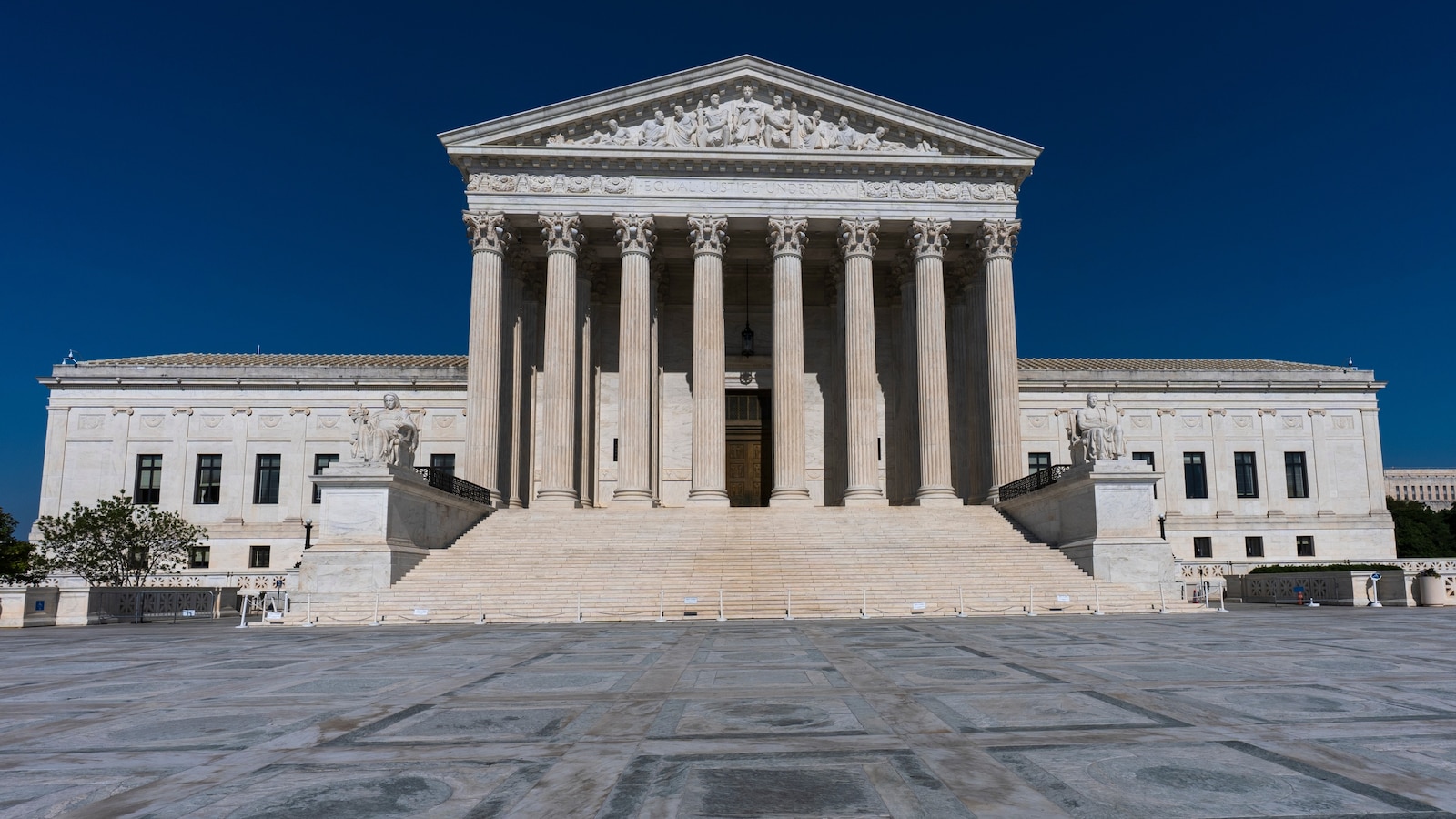
The United States Supreme Court has recently addressed the scope of the Securities and Exchange Commission’s (SEC) power to recoup ill-gotten gains, a legal enforcement tool commonly referred to as “disgorgement.” This mechanism serves as a primary method for the regulator to strip wrongdoers of profits obtained through fraudulent schemes and return those funds to affected investors. The high court’s ongoing scrutiny of this authority marks a significant chapter in the evolution of federal financial oversight, with implications for how the SEC pursues cases ranging from insider trading to technical reporting violations.
For the SEC, the ability to seek disgorgement is central to its mission of maintaining market integrity. According to official agency records, the commission secured orders for more than $6 billion in disgorgement during fiscal year 2024, following a total of nearly $11 billion the previous year as documented in recent SEC enforcement reports. These figures underscore the scale of the financial impact that regulatory actions have on market participants and the treasury alike.
The Legal Tension Over SEC Disgorgement
The debate surrounding disgorgement centers on whether the SEC is overstepping its statutory authority by using the tool to bolster the federal treasury instead of focusing strictly on victim compensation. Critics of the commission argue that the agency has increasingly utilized disgorgement as a quasi-penalty rather than a remedial measure. Legal observers note that the Supreme Court of the United States has, on three separate occasions over the past decade, placed limitations on the SEC’s power to extract these funds from alleged wrongdoers, signaling a trend toward stricter judicial oversight of administrative enforcement.
Supporters of the commission’s current approach maintain that the threat of disgorgement is a critical deterrent against poor actors. Without the ability to reclaim illicit profits, proponents argue that potential fraudsters might view the cost of enforcement actions merely as a standard expense of doing business. This perspective highlights the tension between the need for robust investor protection and the desire for clearly defined limits on the power of federal regulatory bodies.
Market Impact and Ongoing Litigation
The uncertainty surrounding the future of disgorgement affects a wide spectrum of legal challenges. The implications are not limited to high-profile cases involving major insider trading allegations but also extend to low-profile violations related to record-keeping. The Securities and Exchange Commission faces a complex landscape where the difficulty of identifying specific victims often complicates the distribution of recovered funds. Recent financial reporting from the commission indicates that it holds more than $5 billion in collected disgorgement and penalties that have yet to be distributed to victims, a detail that critics frequently cite when questioning the efficacy of the current distribution process.
The ongoing legal discourse is particularly relevant to high-stakes litigation currently moving through the court system. For instance, the SEC’s lawsuit against Elon Musk regarding the disclosure of his stake in Twitter—a case where the agency seeks both disgorgement and civil penalties—remains a focal point for those monitoring the boundaries of SEC authority. As both parties prepare for potential trial proceedings, the outcome of these judicial debates will likely influence the enforcement strategies the SEC adopts in future fiscal years.
Future Checkpoints
The regulatory and legal landscape remains fluid, with several key milestones ahead for market participants and legal scholars alike. The next anticipated developments will likely emerge from scheduled court hearings and subsequent written opinions from the Supreme Court, which will further clarify the boundaries of the SEC’s enforcement tools. Investors and legal professionals should monitor the official Supreme Court docket and the SEC’s public announcements for updates on pending litigation and any shifts in enforcement policy.
We welcome your thoughts on the evolving relationship between federal regulators and the judicial branch. How do you believe the balance between investor protection and regulatory restraint should be maintained? Please share your perspective in the comments section below.
Worth a look