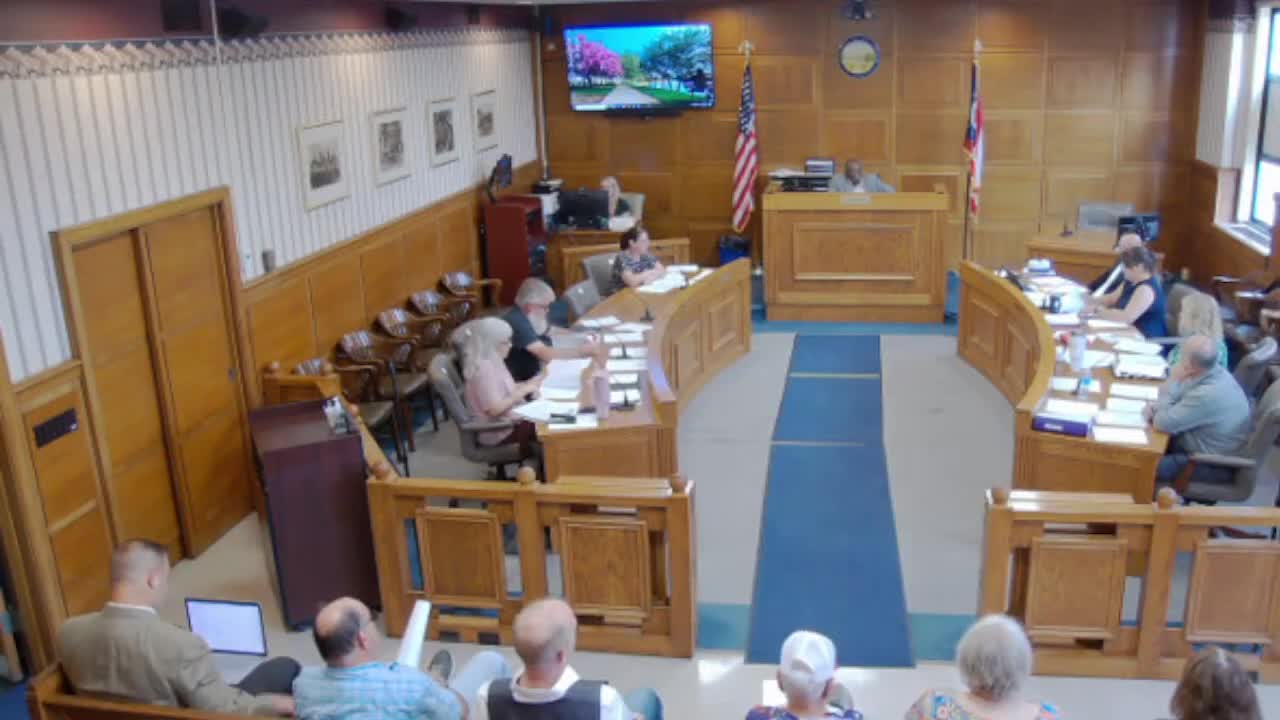
Surry County, North Carolina, will hold a public hearing on June 10, 2024, at 10:00 a.m. in the historic courthouse (Room 136, 114 W. Atkins Street, Dobson, NC 27017) to review the Housing Consortium’s Consolidated Plan and Annual Action Plan. These documents outline how federal Community Development Block Grant (CDBG) funds will be allocated to address housing needs, economic development, and public services in the county over the next five years.
The hearing provides residents, local officials, and stakeholders an opportunity to voice concerns, suggest priorities, and influence how nearly $1.2 million in CDBG funds—allocated by the U.S. Department of Housing and Urban Development (HUD)—will be spent. According to the HUD Consolidated Planning Guide, these plans are required every five years and must align with local housing market conditions, demographic trends, and community input.
For Surry County—where 12.3% of residents live below the poverty line (U.S. Census Bureau, 2022) and 1,800 housing units are considered substandard (Surry County Housing Authority, 2023)—the plans could determine access to affordable housing, infrastructure upgrades, and job training programs. The hearing marks a critical moment for residents to ensure the plans reflect their needs, particularly in rural areas where housing shortages and aging infrastructure pose challenges.
What Are the Consolidated Plan and Annual Action Plan?
The Consolidated Plan is a five-year strategic document that identifies Surry County’s housing and community development needs, assesses available resources, and sets long-term goals. The Annual Action Plan, a subset of the Consolidated Plan, specifies how funds will be spent in the coming year, including:
- Housing rehabilitation: Repairing or demolishing unsafe housing units, with a focus on rural areas where 30% of homes lack complete plumbing (North Carolina Housing Finance Agency, 2023).
- Affordable housing development: Creating or preserving 50+ units of affordable housing for low- and moderate-income families, as outlined in the county’s Housing Authority’s 2024 goals.
- Economic development: Funding small business grants and workforce training programs, particularly in sectors like healthcare and renewable energy where Surry County has seen job growth.
- Public services and infrastructure: Upgrading roads, water systems, and public facilities, with a focus on areas lacking broadband access (22% of households remain unserved, according to the FCC Broadband Deployment Data).
Both plans are developed in collaboration with the Surry County Housing Consortium, a partnership between local government, nonprofits, and private developers. The consortium was formed in 2021 to streamline housing initiatives and maximize federal funding. “Our goal is to ensure these plans address the most pressing needs of our community,” said Consortium Director Emily Carter in a May 2024 interview with the Surry County News. “We want residents to have a say in how these resources are used.”
Why This Hearing Matters: Housing Challenges in Surry County
Surry County faces unique housing challenges that the Consolidated Plan aims to tackle:
- Rural housing shortages: While urban areas like Greensboro and Raleigh have seen housing booms, rural Surry County struggles with vacancy rates exceeding 10% in some towns (NC Housing Study, 2023), coupled with a lack of affordable options for farmworkers and low-wage earners.
- Aging infrastructure: Nearly 40% of homes in the county were built before 1980, leading to issues like lead pipes, electrical hazards, and poor insulation. The North Carolina Environmental Justice Report highlights Surry as one of the state’s most at-risk counties for infrastructure failures.
- Disparities in access: African American and Latino residents in Surry County are twice as likely to live in substandard housing compared to white residents, according to a 2022 HUD demographic analysis. The plans must address these inequities.
For context, Surry County’s last Consolidated Plan (2019–2024) allocated funds to 12 housing rehabilitation projects and three new affordable housing developments. However, delays due to the COVID-19 pandemic and supply chain disruptions meant some projects fell behind schedule. The upcoming plans must correct these gaps while accounting for rising construction costs (+25% since 2020, per the Construction Industry Institute).
Who Should Attend the Public Hearing?
The June 10 hearing is open to all residents, property owners, renters, nonprofits, and local businesses. Key groups likely to participate include:
- Low-income families: Those seeking assistance with rent, repairs, or relocation due to unsafe housing conditions.
- Homeowners: Particularly those in rural areas facing property tax burdens or infrastructure issues (e.g., failing wells or septic systems).
- Nonprofit organizations: Groups like Habitat for Humanity Surry County, which builds affordable housing, or Surry Food Pantry, which serves residents at risk of homelessness.
- Local government officials: Representatives from the Surry County Commission, Housing Authority, and Economic Development Board will be present to answer questions.
Residents who cannot attend in person can submit written comments by June 5, 2024 to the Surry County Housing Consortium at [email protected]. Comments should be concise and address specific priorities, such as:
- Which housing projects should receive priority funding?
- Are there gaps in the plans for senior housing, veteran support, or disability-accessible units?
- How can the consortium improve coordination with local schools and healthcare providers to address housing-related challenges?
How to Prepare for the Hearing: Key Questions to Ask
Attendees are encouraged to come prepared with questions. Here are some critical ones to consider:
1. How will the plans ensure equitable access to housing for minority communities?
2. What specific metrics will be used to measure success (e.g., number of homes repaired, jobs created)?
3. How will rising construction costs be addressed without reducing the number of affordable units?
4. Are there provisions for disaster-resistant housing given Surry County’s vulnerability to flooding and storms?
5. How can residents stay informed about the implementation of these plans after the hearing?
For example, during a similar hearing in Wake County in 2023, residents pushed for transit-oriented affordable housing near job centers. As a result, the final plan included $500,000 for mixed-income developments near public transit hubs (Wake County CDBG Report). Surry County residents may draw inspiration from this approach.
What Happens After the Hearing?
Following the June 10 hearing, the Surry County Housing Consortium will:
- Compile and review public comments by June 15, 2024.
- Finalize the Consolidated Plan and Annual Action Plan by July 1, 2024, with a public draft available for review.
- Submit the plans to HUD for approval by August 15, 2024. HUD typically reviews submissions within 60–90 days.
- Begin implementing approved projects in Fiscal Year 2025 (October 1, 2024–September 30, 2025).
Residents can track progress through:
- The Surry County Housing Authority website.
- Monthly updates from the Surry County News.
- Public meetings scheduled for September and December 2024 to review progress.
Broader Context: How Surry County Compares to North Carolina
Surry County’s housing challenges reflect broader trends in rural North Carolina:

| Metric | Surry County | North Carolina (Statewide) | Source |
|---|---|---|---|
| Poverty Rate (2022) | 12.3% | 12.1% | U.S. Census Bureau |
| Substandard Housing Units | 1,800 | 50,000+ | NC Housing Finance Agency |
| Homes Built Before 1980 | 40% | 35% | NC Environmental Justice Report |
| CDBG Funds Allocated (2024) | $1.2 million | $1.8 billion (statewide) | HUD |
While Surry County receives a smaller share of state and federal housing funds compared to urban areas, its Consolidated Plan allows it to leverage resources more effectively. For instance, in 2023, HUD approved $850,000 for Surry County’s affordable housing initiatives, which funded 15 new units and repairs for 40 existing homes. The upcoming plans could build on this success if community input is prioritized.
How to Get Involved Beyond the Hearing
Residents who want to stay engaged can:
- Join the Surry County Housing Consortium’s advisory committee. Applications are accepted year-round; contact [email protected] for details.
- Volunteer with local nonprofits like Habitat for Humanity Surry County, which builds affordable homes.
- Attend future workshops on topics like energy-efficient housing or homelessness prevention, scheduled for July and October 2024.
- Monitor HUD’s CDBG funding portal (HUD Exchange) for updates on grant opportunities.
Next Steps and How to Participate
The June 10 hearing is your opportunity to shape Surry County’s housing future. Whether you’re a renter, homeowner, or business owner, your input can help ensure the Consolidated Plan addresses your community’s needs.
Key dates:
- June 5, 2024: Deadline to submit written comments.
- June 10, 2024, 10:00 a.m.: Public hearing at the Surry County Courthouse (Room 136).
- July 1, 2024: Finalized plans released for public review.
Have questions or concerns? Email the Housing Consortium at [email protected] or call (336) 379-4000.
Share your thoughts in the comments below or on our Facebook page.
Keep reading