
Long-term survival for patients diagnosed with stage IV nasopharyngeal carcinoma is increasingly possible through advancements in multidisciplinary treatment, including intensity-modulated radiation therapy (IMRT) and systemic chemotherapy. While a late-stage diagnosis of this head and neck cancer—which originates in the upper part of the throat behind the nose—presents significant clinical challenges, current oncological data suggests that aggressive, personalized treatment protocols can lead to sustained remission for some patients, even fifteen years or more after their initial diagnosis.
According to the National Cancer Institute, nasopharyngeal carcinoma is distinct from other head and neck cancers due to its strong association with the Epstein-Barr virus (EBV), genetic susceptibility, and environmental factors. Because the nasopharynx is located in a complex anatomical region near the base of the skull, surgical intervention is often difficult, making radiation and chemotherapy the primary therapeutic mainstays.
Understanding Advanced Nasopharyngeal Carcinoma
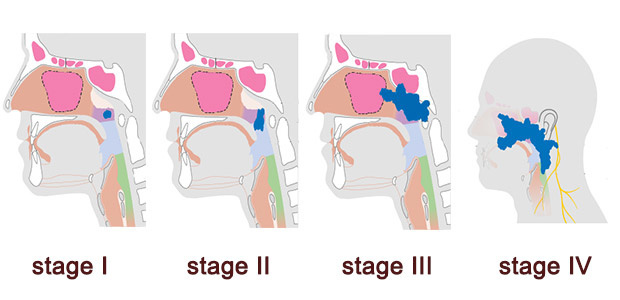
Nasopharyngeal carcinoma is often diagnosed at a later stage because early symptoms—such as a persistent sore throat, nasal congestion, or ear ringing—are easily mistaken for common respiratory conditions. When cancer has spread to distant sites or involves extensive local invasion, it is classified as stage IV. As noted by the World Health Organization, early detection remains the most effective way to improve survival outcomes, but for those diagnosed at advanced stages, the integration of new radiotherapy techniques has altered the prognosis landscape significantly.

The “invisible prescription” often cited by oncology specialists refers to the holistic management of the patient beyond the tumor itself. This includes nutritional support, psychological counseling, and the meticulous management of late-term side effects such as xerostomia (dry mouth) or radiation-induced fibrosis. Clinical experience shows that patients who maintain consistent follow-up schedules and adhere to rigorous post-treatment lifestyle modifications generally experience better long-term quality of life.
The Evolution of Treatment Protocols
The standard of care for advanced-stage nasopharyngeal carcinoma has shifted toward a multimodal approach. Intensity-modulated radiation therapy (IMRT) has become the gold standard, allowing physicians to deliver precise radiation doses to the tumor while minimizing damage to surrounding critical structures like the optic nerves and brainstem. The European Society for Medical Oncology (ESMO) emphasizes that for advanced cases, the concurrent use of platinum-based chemotherapy with radiation is essential to improve survival rates compared to radiation alone.
Medical research continues to investigate the role of immunotherapy, particularly in patients whose tumors express specific biomarkers. Recent clinical trials have examined how immune checkpoint inhibitors might be combined with standard chemotherapy to better treat recurrent or metastatic disease. These developments offer a more optimistic outlook for patients than was available two decades ago, providing options for those who previously had few alternatives.
Managing Long-Term Survivorship
Achieving 15-year survival is a milestone that requires both successful initial treatment and vigilant long-term surveillance. Medical guidelines from the National Comprehensive Cancer Network (NCCN) recommend that survivors undergo regular physical examinations and imaging studies to detect potential recurrences or secondary cancers. Survivorship clinics now focus on the “late effects” of treatment, which can manifest years after the initial cancer has been cleared.

Patients are encouraged to adopt specific lifestyle changes to support their immune system and overall health:
- Maintaining a balanced diet to manage treatment-related weight loss and metabolic changes.
- Avoiding tobacco and excessive alcohol consumption, which can further irritate the mucosal linings of the head and neck.
- Participating in regular physical activity to improve cardiovascular health and reduce cancer-related fatigue.
- Attending scheduled screenings for secondary malignancies, as survivors of head and neck cancer remain at a higher risk for subsequent primary tumors.
Looking Ahead in Oncology
The prognosis for nasopharyngeal carcinoma is not a static figure; it is a dynamic assessment that changes as medical technology advances. Ongoing research into the genetic basis of the disease and the role of the Epstein-Barr virus is expected to yield more targeted therapies. For patients currently undergoing treatment, the most important step remains maintaining an open, consistent dialogue with their multidisciplinary medical team, including oncologists, radiation therapists, and speech-language pathologists.
Readers seeking the latest updates on treatment trials or regional support groups should consult their local health department or major academic medical centers, which often serve as hubs for clinical research. If you or a loved one are navigating a diagnosis, ensuring that your care team includes specialists experienced in nasopharyngeal cases is a critical factor in achieving the best possible outcome. We invite you to share your experiences or questions regarding survivorship in the comments below.