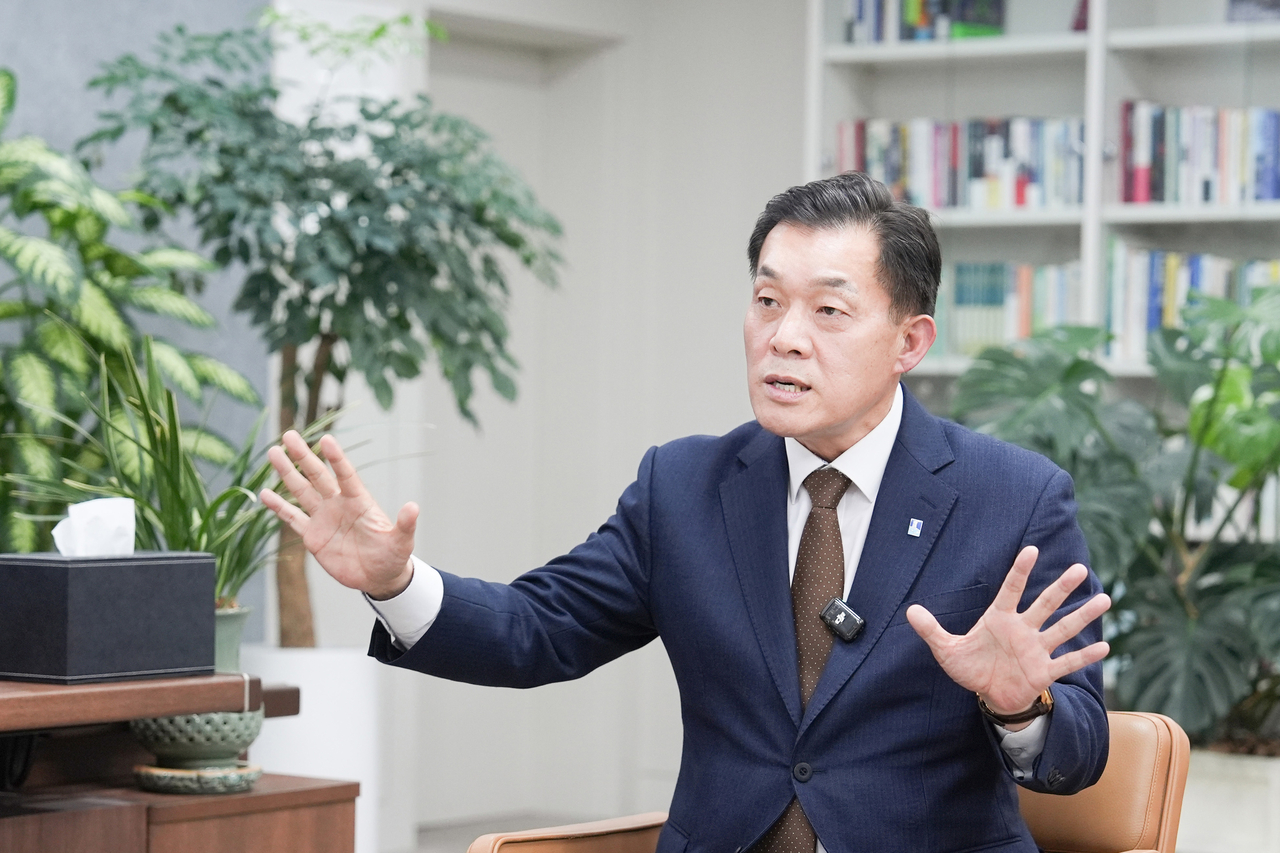
Suwon Special City in South Korea has implemented mandatory gender sensitivity training for high-ranking public officials to combat workplace violence, including sexual assault, harassment, and domestic abuse. The initiative, announced by Mayor Lee Jae-joon, targets senior officials to establish a culture of respect and prevent misconduct in public sector workplaces. According to the city government, the training will cover four key areas: sexual violence, workplace harassment, sex trafficking, and domestic violence.
This move comes as South Korea grapples with rising concerns over workplace misconduct, particularly in public institutions. The program aligns with broader national efforts to address gender-based violence, following high-profile cases that have drawn international attention. Experts say the training is a proactive step to ensure accountability and create safer work environments.
Suwon Special City, located in Gyeonggi Province, is one of South Korea’s largest metropolitan areas with a population of over 1.2 million. The city’s decision follows similar initiatives in Seoul and other major Korean cities, where workplace harassment policies have been strengthened in recent years. The training program is expected to begin in the coming months, with details on implementation and participation requirements still under development.
Why Suwon’s Initiative Matters in South Korea’s Workplace Safety Reforms
South Korea has faced persistent criticism for its handling of workplace harassment and gender-based violence. According to a 2023 report by the Korean Ministry of Gender Equality and Family, nearly 40% of women in the workforce reported experiencing some form of workplace harassment, with sexual harassment being the most common. The Suwon initiative is part of a broader push to address these issues through education and policy enforcement.
Mayor Lee Jae-joon has emphasized the need for systemic change, stating in a recent press conference that “workplace culture must evolve to prioritize dignity and respect for all employees.” The training will include case studies, legal frameworks, and best practices for reporting and preventing workplace violence. Officials say the program will be evaluated annually to assess its effectiveness.
The four areas of focus—sexual violence, workplace harassment, sex trafficking, and domestic violence—were selected based on recommendations from the World Health Organization (WHO) and South Korea’s National Human Rights Commission. The WHO reports that workplace violence affects millions globally, with women disproportionately impacted. In South Korea, domestic violence cases have risen by 15% over the past five years, according to South Korea’s National Police Agency.
How the Training Program Will Work: Key Components and Stakeholders
The Suwon City government has outlined a structured approach to the training, which will be mandatory for all senior officials ranked above a certain grade. While exact details are still being finalized, sources familiar with the program say it will include:
- Legal Compliance Modules: Covering South Korea’s Act on the Prevention of Sexual Violence and Protection of Victims, which was enacted in 2019 to strengthen protections against workplace harassment.
- Case Study Analysis: Reviewing real-world incidents of workplace violence, including high-profile cases from South Korean public institutions.
- Reporting Protocols: Training on how to handle complaints and ensure confidentiality for victims.
- Cultural Sensitivity Workshops: Addressing unconscious bias and fostering inclusive workplace environments.
The program will be led by external experts, including legal scholars and human rights advocates, to ensure objectivity. Suwon City officials have also indicated that the training will be extended to mid-level employees in the future, depending on the initial results.
Who is affected? The training will directly impact approximately 500 high-ranking officials in Suwon’s public sector, including city administrators, education board members, and healthcare directors. Indirectly, the initiative aims to influence workplace culture across the city’s 1.2 million residents, many of whom work in public institutions.
Comparing Suwon’s Approach to Other Korean Cities: What Sets It Apart?
Suwon is not the first South Korean city to implement workplace violence prevention programs. Seoul, for example, launched a similar initiative in 2022, requiring all municipal employees to undergo annual harassment prevention training. However, Suwon’s program stands out for its focus on gender sensitivity training for senior officials, rather than a broad-based approach.
According to a 2023 International Labour Organization (ILO) report, workplace harassment is more likely to go unreported in hierarchical organizations, particularly when senior leaders are not held accountable. By targeting high-ranking officials, Suwon aims to address this gap. “The key is leadership buy-in,” said Dr. Park Ji-young, a labor rights expert at Yonsei University. “When senior officials participate, it sends a clear message that misconduct will not be tolerated at any level.”
Another distinguishing feature is Suwon’s inclusion of sex trafficking prevention in the training curriculum. While domestic violence and workplace harassment are well-documented issues in South Korea, sex trafficking remains a lesser-discussed but critical concern. The city’s decision to address this area reflects a broader recognition of the intersections between workplace safety and broader societal issues.
What Happens Next: Implementation Timeline and Public Response
The Suwon City government has not yet released a formal timeline for the training’s launch, but sources indicate it will begin in the third quarter of 2024. The program is expected to run for at least six months, with follow-up evaluations conducted annually. Public feedback will also be incorporated into future iterations.
Initial reactions from labor unions and women’s rights groups have been largely positive. The Korean Confederation of Trade Unions (KCTU) praised the initiative, stating that “mandatory training for senior officials is a necessary step toward real change.” However, some critics argue that the program should be expanded to include private sector employees, who make up the majority of South Korea’s workforce.
Mayor Lee Jae-joon has committed to transparency, promising regular updates on the program’s progress. The city government will also establish a workplace safety hotline to allow employees to report concerns anonymously. Details on how to access the hotline and other support services will be announced in the coming weeks.
Key Takeaways: What This Means for Workplace Safety in South Korea
- Leadership Accountability: By targeting senior officials, Suwon is sending a clear message that workplace misconduct will not be tolerated at any level of government.
- Broader Societal Impact: The training covers not just workplace harassment but also domestic violence and sex trafficking, addressing interconnected issues.
- Potential for Expansion: If successful, Suwon’s model could be adopted by other Korean cities and even private companies.
- International Alignment: The program aligns with global best practices, including those recommended by the WHO and ILO.
- Public Scrutiny: The initiative will be closely watched as a test case for whether top-down training can drive cultural change.
The next checkpoint for this initiative will be the annual evaluation report, due in June 2025. The report will assess participation rates, reported incidents, and employee satisfaction with the program. Suwon City officials have also indicated that they will share findings with other Korean municipalities to encourage nationwide adoption.
For readers interested in workplace safety policies, the Ministry of Gender Equality and Family’s official guidelines provide additional resources on reporting harassment and accessing support services. The Suwon City government will also host public forums in the coming months to discuss the training program’s implementation.
We welcome your thoughts on this initiative. How do you think mandatory training for senior officials can improve workplace culture? Share your comments below or join the discussion on our social media channels.
Worth a look