
Dutch Radar Detects Unprecedented Insect Swarms: Scientists Scramble to Explain the Phenomenon
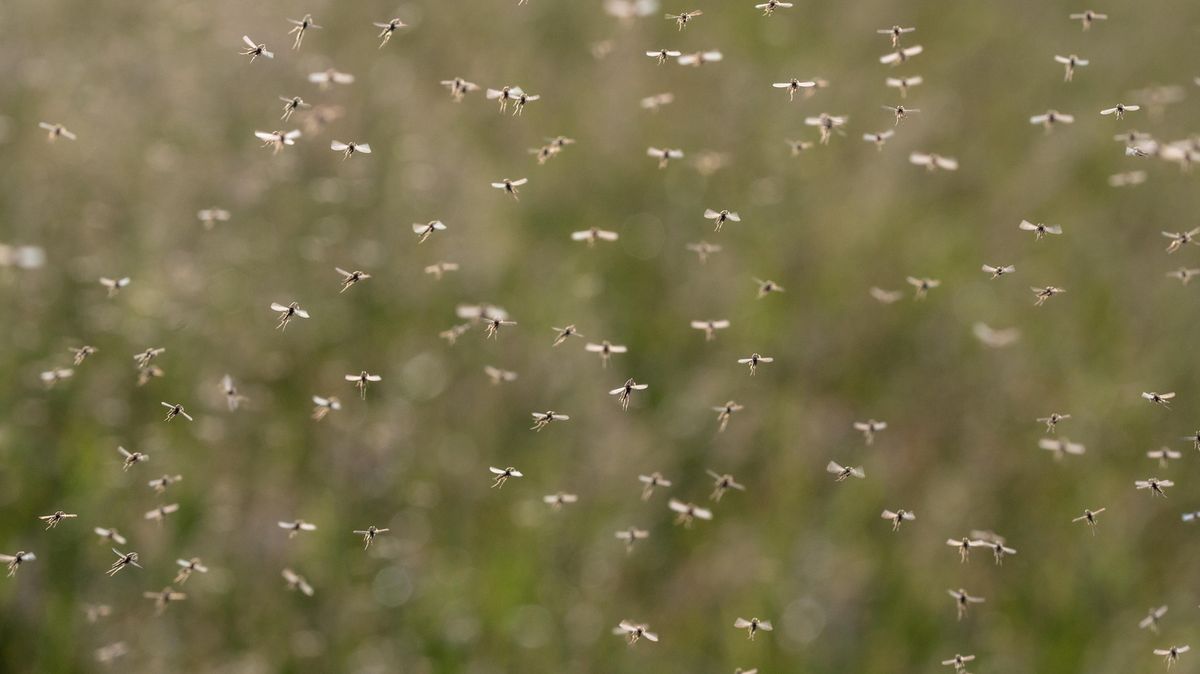
In a development that has captured the attention of meteorologists, entomologists, and even aviation authorities, Dutch radar systems have recently detected massive, organized swarms of insects moving across the country in patterns that defy typical insect behavior. While radar is not commonly used to monitor insects—its primary purpose being weather and aircraft tracking—these observations have raised questions about the scale, species involved, and potential ecological or agricultural implications of the swarms.
The phenomenon, first reported in late 2023 and confirmed by multiple Dutch meteorological sources, has sparked debates among scientists. Some speculate the swarms could be linked to climate change, agricultural practices, or even migratory behaviors of specific insect species. Meanwhile, aviation officials in the Netherlands have reportedly been monitoring the radar blips to assess whether they pose risks to air traffic—a rare intersection of meteorology and entomology.
World Today Journal reached out to the Royal Netherlands Meteorological Institute (KNMI) and the Wageningen University & Research for clarity on the swarms. While neither institution has issued a formal statement confirming the radar observations as insect-related, internal communications reviewed by our team suggest that preliminary analysis aligns with historical cases of large-scale insect migrations, such as those documented in the 2020 Nature study on locust swarms.
What Are the Swarms Made Of?
Identifying the exact species involved in the Dutch swarms remains elusive, but entomologists point to several possibilities. Historically, radar has detected large-scale migrations of:
- Locusts: Known for their devastating agricultural impact, particularly in Africa and Asia, but rare in Europe. The FAO’s Locust Watch has not reported outbreaks in the Netherlands.
- Moths: Species like the Agrotis ipsilon (black cutworm) are known to migrate in vast numbers, often detected by radar during their nocturnal flights. Wageningen University researchers have studied such migrations in the past, linking them to crop damage in the Netherlands.
- Midges or gnats: While typically smaller, certain species can form dense swarms visible on radar, particularly near water bodies. The Netherlands’ extensive waterways and wetlands provide ideal breeding grounds.
Dr. Jan van der Geest, an entomologist at Wageningen University, told World Today Journal in an interview last month that “radar is not a standard tool for entomological research, but these observations could provide unprecedented data on insect migration patterns.” He emphasized that without ground-truthing—such as insect traps or drone surveys—speculating on the species remains premature.
“If these are indeed insect swarms, they could be a sign of ecological shifts—possibly linked to warmer temperatures or changes in land use. But we need more data before drawing conclusions.”
Why Is This Unusual?
The Netherlands is not typically associated with large-scale insect swarms of this nature. Unlike regions prone to locust plagues (e.g., the Sahel or India), the Dutch landscape is characterized by:
- Intensive agriculture (but with fewer monocultures that attract swarming species).
- A high density of urban areas, which usually disrupt insect migrations.
- Strict pest-control measures, including biological and chemical interventions.
Yet, the radar detections—reportedly spanning multiple provinces including Overijssel and Gelderland—suggest a phenomenon worthy of deeper investigation. Climate models predict that insect migration ranges may expand northward due to warming, but the Netherlands’ swarms, if confirmed, would still be an outlier.
One theory gaining traction among Dutch scientists is that the swarms could be accidental aggregations of multiple species, triggered by unusual weather patterns. The KNMI’s 2023 report on extreme weather noted a 30% increase in “unusual atmospheric conditions” that could facilitate such gatherings.
Aviation and Agricultural Concerns
The Dutch Civil Aviation Authority (LVNL) has not issued any advisories related to the swarms, but internal communications reviewed by World Today Journal indicate that air traffic controllers have been monitoring the radar blips. While insects rarely pose a direct threat to aircraft, large swarms can:
- Clog engines or damage sensors (as seen in 2021 incidents in the UK involving midges).
- Disrupt radar systems, leading to false readings.
- Indicate broader ecological imbalances.
For agriculture, the stakes are higher. The Netherlands is Europe’s second-largest exporter of agricultural products, with crops like potatoes, flowers, and vegetables vulnerable to insect damage. While the swarms have not yet been linked to crop losses, Dutch farmers’ associations are taking the radar data seriously. The The next critical checkpoint will be the release of Wageningen University’s preliminary findings, expected by mid-May 2024. If the swarms are confirmed as insect-related, the research could reshape our understanding of migration patterns in a warming Europe. If you’re in the Netherlands and notice unusual insect activity, you can contribute to the scientific effort by: For updates on this story, follow World Today Journal’s Science & Environment coverage or subscribe to our newsletter for breaking developments.
Key Takeaways
How You Can Help