The Swedbank-Privatkreditlinie, or private credit line, offers a flexible financial instrument designed to bridge the gap between traditional installment loans and rigid credit card debt. By providing consumers with a revolving credit limit rather than a fixed sum, the product allows users to manage digital savings goals and unexpected expenses with greater liquidity. According to official disclosures from the Swedbank Group, this credit line is intended to offer borrowers the ability to withdraw funds as needed while paying interest only on the utilized portion of the credit.
For many European banking customers, the shift toward flexible credit reflects a broader trend in financial management where liquidity and digital accessibility take precedence over static lending models. While standard installment loans often require fixed monthly repayments regardless of current cash flow, a credit line functions more like an overdraft facility, offering a buffer that can be adjusted based on the borrower’s real-time financial health. This flexibility is increasingly marketed to those who require short-term capital to manage fluctuating monthly budgets, according to reports on European Central Bank consumer credit trends.
How Flexible Credit Differs from Traditional Loans
The primary distinction between a private credit line and a conventional installment loan lies in the repayment structure and interest calculation. A traditional loan is typically disbursed as a lump sum with a fixed amortization schedule, meaning the borrower pays interest on the entire principal from day one. In contrast, a flexible credit line functions on a revolving basis. Once the bank approves a maximum limit, the borrower can access that capital incrementally. Interest is generally accrued only on the outstanding balance, a mechanism that provides a distinct advantage for those who do not require the full amount immediately.
According to research from the Organization for Economic Cooperation and Development (OECD) regarding financial literacy and credit products, revolving credit lines require a higher level of discipline from the borrower. Because there is no fixed end date for the loan in the same sense as an installment contract, users must actively monitor their debt levels to avoid long-term interest accumulation. The Swedbank-Privatkreditlinie integrates with digital banking interfaces, allowing users to track their spending and repayment status in real time, which is designed to mitigate the risks associated with open-ended debt.
Managing Digital Savings Goals with Credit Lines
Integrating credit facilities into digital savings management is a modern approach to household finance. Many banking applications now allow users to link their credit lines to “savings pots” or sub-accounts. If a user identifies a short-term liquidity gap while attempting to maintain a long-term savings goal, the credit line can serve as a temporary bridge. This prevents the need to liquidate long-term investments or savings accounts, which might otherwise incur penalties or tax consequences.
Industry analysts at the Bank for International Settlements emphasize that while such tools improve financial agility, they also increase the complexity of household debt management. The ability to move funds between credit and savings accounts requires a robust understanding of interest rate differentials. If the interest paid on the credit line exceeds the yield earned on the savings account, the strategy may result in a net financial loss over time. Consequently, financial advisors recommend that these tools be used primarily for short-term cash flow management rather than as a substitute for an emergency fund.
Regulatory and Consumer Protection Considerations
The provision of revolving credit lines within the European Union is subject to strict regulatory oversight, including the Consumer Credit Directive. These regulations mandate that banks provide clear, standardized information regarding the Annual Percentage Rate (APR), total cost of credit, and the consequences of late payments. For consumers, this transparency is essential when comparing a credit line against traditional credit cards, which often carry higher interest rates and different fee structures.
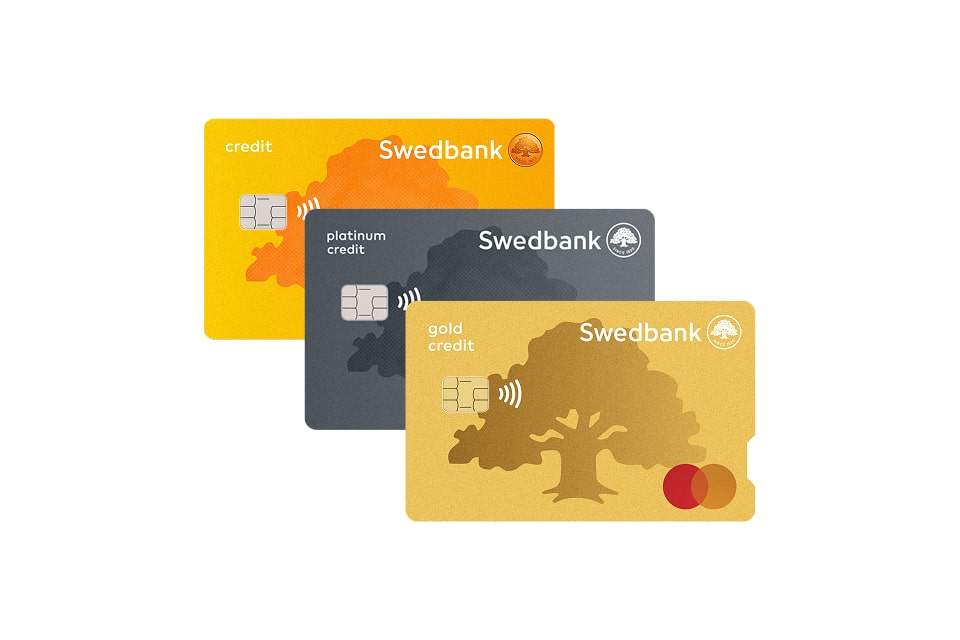
When choosing between a revolving credit line and a credit card, experts point to the “cost of carry.” Credit cards often include grace periods for purchases, whereas revolving credit lines may begin accruing interest from the moment of withdrawal. According to data provided by the European Banking Authority, the risk profile of these products is monitored closely to ensure that banks maintain adequate capital buffers and that consumers are not over-leveraged. Potential borrowers are encouraged to review the specific terms and conditions provided by their banking institution, as these can vary based on individual credit ratings and local economic conditions.
Next Steps for Borrowers
For those considering a private credit line, the first step is a thorough assessment of their current debt-to-income ratio. Financial institutions typically require a credit check and proof of consistent income before granting access to a revolving credit facility. Interested customers should visit their official banking portal or consult with a financial advisor to obtain the latest interest rate schedules and fee disclosures for their specific region. As banking policies are subject to periodic updates, it is recommended that users check for the most recent official filings or product updates before submitting an application. Readers are encouraged to share their experiences with digital credit tools in the comments section below.
Worth a look