Sweden’s Economic Growth Slows Unexpectedly Amidst Global Uncertainty
Stockholm – Sweden’s economic trajectory hit an unexpected snag in January, with the nation’s Gross Domestic Product (GDP) experiencing a 1.1 percent decline compared to the previous month, according to preliminary data released by Statistics Sweden. This downturn, a reversal from anticipated growth, signals a complex economic landscape for the Scandinavian nation as it navigates global headwinds and domestic shifts in consumer behavior. The unexpected contraction raises questions about the resilience of the Swedish economy, particularly in light of ongoing geopolitical tensions and inflationary pressures. While household consumption showed surprising strength, declines in key sectors like manufacturing and construction weighed heavily on overall economic output.
Analysts had predicted a 0.5 percent increase in GDP for January, according to forecasts compiled by Bloomberg. The actual 1.1 percent decrease represents a significant deviation from expectations and underscores the volatility currently impacting global economic forecasts. Compared to January 2025, the growth rate for the first month of 2026 was a modest 0.6 percent, indicating a broader slowdown in economic momentum. This slowdown is occurring as Sweden continues to adapt to its new status as a member of NATO, a move completed in March 2024, and as it considers its future relationship with the Eurozone.
Factors Contributing to the Economic Dip
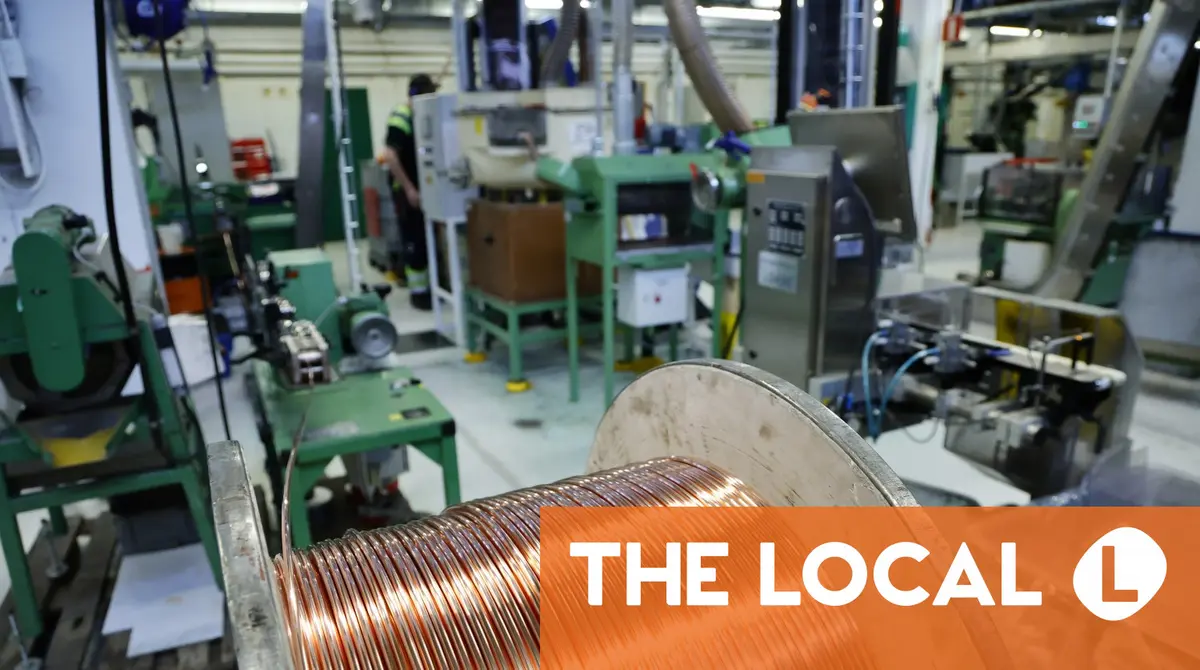
Statistics Sweden’s national economist, Neda Shahbazi, attributed the GDP decline to reduced production across several key sectors. “Sweden’s economy started the new year with lower production in the manufacturing industry, in construction and from the public sector,” Shahbazi stated in a press release. These declines suggest a combination of factors at play, including weakening global demand for Swedish exports, rising interest rates impacting construction activity, and potential budgetary constraints within the public sector. The manufacturing sector, a cornerstone of the Swedish economy, has been particularly vulnerable to disruptions in global supply chains and shifts in international trade patterns.
Despite the overall GDP contraction, household consumption demonstrated surprising resilience, increasing by 0.7 percent in January compared to December, when measured in fixed prices and adjusted for seasonal variations. This 0.7 percent increase represents a notable uptick in consumer spending, suggesting that Swedish households remain relatively confident despite broader economic uncertainties. Compared to January 2025, household consumption rose by an even more substantial 2.8 percent, indicating a sustained trend of increased spending. This increase in consumption could be attributed to factors such as wage growth, pent-up demand from previous periods of economic restriction, and government stimulus measures.
Inflationary Pressures and the Riksbank’s Response
The economic slowdown occurs against a backdrop of fluctuating inflation rates. Preliminary data from Statistics Sweden indicates that inflation in February reached 0.5 percent, a month-on-month increase of 0.6 percent, as measured by the Consumer Price Index (CPI). Yet, the central bank, the Riksbank, primarily focuses on the CPIF – inflation with fixed interest rates removed – to assess progress towards its 2 percent inflation target. The CPIF rate fell from 2 percent in January to 1.7 percent in February, with a month-on-month increase of 0.6 percent. The Riksbank has been carefully monitoring inflation and adjusting monetary policy accordingly, aiming to strike a balance between controlling price increases and supporting economic growth.
The Riksbank’s monetary policy decisions have significant implications for the Swedish economy. Higher interest rates can help curb inflation by reducing borrowing and spending, but they can also dampen economic activity and increase the risk of recession. The central bank faces a delicate balancing act as it navigates these competing pressures. The current CPIF rate of 1.7 percent suggests that the Riksbank may have room to maintain its current monetary policy stance, but further increases in inflation could prompt a more aggressive response.
Geopolitical Risks and the Finance Minister’s Outlook
The ongoing conflict in the Middle East, specifically the tensions between Iran and the United States/Israel, poses a potential risk to the global economy, including Sweden. Disruptions to global trade routes, increased energy prices, and heightened geopolitical uncertainty could all negatively impact Sweden’s economic performance. However, Sweden’s Finance Minister, Elisabeth Svantesson, expressed cautious optimism, stating that she does not anticipate a significant surge in inflation as a direct result of the conflict.
“There are risks that growth will need to be adjusted downwards,” Svantesson told journalists in the Swedish parliament, acknowledging the potential for economic headwinds. “I’m not worried about inflation, I don’t feel it will shoot up.” Despite her relatively sanguine outlook on inflation, Svantesson voiced concern that the geopolitical situation could lead to increased caution among Swedish households, potentially curbing their spending. “I’m worried that a lot of people will think it could be like 2022,” she said, referencing the economic challenges of the previous year. In 2022, Sweden, like many other nations, faced a confluence of economic shocks, including the lingering effects of the COVID-19 pandemic, disruptions to global supply chains, and the energy crisis triggered by the war in Ukraine.
Svantesson emphasized that the current situation differs from that of 2022, suggesting that the Swedish economy is better positioned to withstand external shocks. However, the potential for increased household conservatism remains a key risk factor. Consumer confidence is a crucial driver of economic growth, and a decline in confidence could lead to reduced spending and slower economic activity.
Sweden’s Warming Relationship with the Euro
Recent developments suggest a potential shift in Sweden’s long-standing reluctance to adopt the Euro. Reports indicate that the changing geopolitical landscape, particularly the influence of a potential second term for Donald Trump in the United States, is prompting a reassessment of the benefits of Eurozone membership. A Trump presidency could potentially lead to increased trade tensions and a more unpredictable global economic environment, making the stability of the Eurozone a more attractive option for Sweden.
The debate over Euro adoption has been a long-standing one in Sweden, with proponents arguing that it would boost trade, reduce transaction costs, and enhance Sweden’s influence within Europe. Opponents, however, have raised concerns about the loss of monetary policy independence and the potential for economic instability within the Eurozone. The recent shift in sentiment suggests that the potential benefits of Euro adoption may now outweigh the perceived risks, particularly in light of the evolving global economic and political landscape.
Looking Ahead
The Swedish economy faces a period of uncertainty as it navigates a complex interplay of domestic and global challenges. The unexpected GDP contraction in January serves as a reminder of the vulnerability of even the most resilient economies to external shocks. The Riksbank’s monetary policy decisions, the evolution of geopolitical tensions, and the ongoing debate over Eurozone membership will all play a crucial role in shaping Sweden’s economic future. The next key economic indicator to watch will be the GDP figures for February, scheduled for release in March 2026, which will provide further insight into the trajectory of the Swedish economy.
The Swedish government is expected to continue monitoring the economic situation closely and to implement policies aimed at supporting sustainable growth and maintaining price stability. Increased investment in innovation, infrastructure, and education will be crucial for enhancing Sweden’s long-term competitiveness, and resilience. Fostering a stable and predictable business environment will be essential for attracting foreign investment and encouraging domestic entrepreneurship.
Key Takeaways:
- Sweden’s GDP unexpectedly fell by 1.1 percent in January 2026.
- Household consumption increased despite the overall economic decline.
- Inflation remains a key concern for the Riksbank, with the CPIF rate at 1.7 percent in February.
- Geopolitical risks, particularly in the Middle East, pose a potential threat to Sweden’s economic outlook.
- A potential shift in sentiment towards Eurozone membership is emerging.
What are your thoughts on Sweden’s economic challenges? Share your comments below and join the discussion. Don’t forget to share this article with your network to spread awareness about the evolving economic landscape.
Keep reading