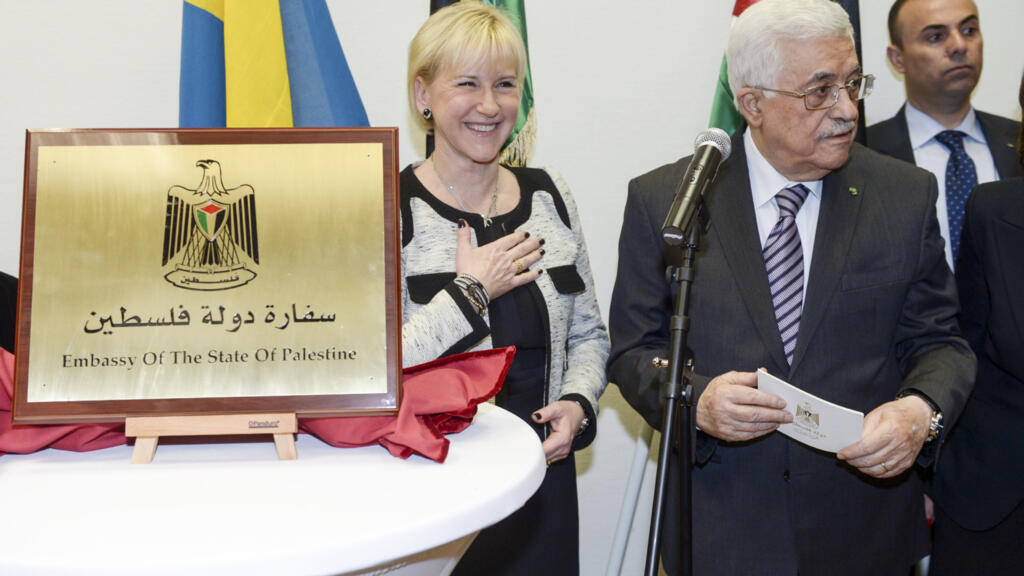
The Ripple effect of Recognition: Lessons from Sweden’s Pioneering Palestine Policy
Sweden’s decision in October 2014 to formally acknowledge the State of Palestine marked a pivotal moment, positioning it as the first Western European Union nation to do so. driven by a desire to catalyze broader european acceptance, Stockholm rather encountered diplomatic repercussions and a period of strained relations with Israel. As of September 25, 2025, a growing number of European countries – including Spain, Ireland, and Norway – have since followed Sweden’s lead, prompting a critical examination of the Nordic nation’s experience.This article delves into the complexities of Sweden’s path, offering valuable insights for France and other Western states navigating similar considerations, and providing a extensive analysis of the geopolitical landscape surrounding Palestinian statehood. the core of this discussion revolves around political recognition, its implications, and the strategic considerations involved.
The Historical Context: Sweden’s Bold Move
Prior to 2014, Sweden had consistently advocated for a two-state solution to the Israeli-Palestinian conflict. This long-held position, coupled with a broader foreign policy emphasizing human rights and international law, ultimately led to the landmark decision to recognize Palestine.The then-Foreign Minister,Margot Wallström,articulated the rationale,stating that recognizing Palestine was a way to “pave the way for a two-state solution” and to offer hope to the Palestinian people. this action wasn’t taken lightly; it was the culmination of years of internal debate and careful deliberation within the Swedish government.
However, the anticipated wave of recognition across Europe didn’t materialize. Instead, Sweden found itself largely alone, facing immediate and meaningful backlash from Israel. Diplomatic ties were chilled, israeli officials were recalled, and Swedish representatives faced public criticism. this isolation stemmed from Israel’s firm stance that unilateral recognition of Palestine undermines the possibility of direct negotiations and prejudges the outcome of final status talks.
| Country | Date of Recognition | Immediate Aftermath |
|---|---|---|
| sweden | October 30, 2014 | Diplomatic tensions with Israel; Recall of Israeli ambassador. |
| Spain | May 21, 2024 | Mild diplomatic protest from israel. |
| Ireland | May 22, 2024 | Similar to Spain, limited diplomatic repercussions. |
| norway | May 22, 2024 | Comparable response to Ireland and Spain. |
The Diplomatic Fallout: A Decade of Strain
The repercussions for Sweden extended beyond mere diplomatic protests.Israel implemented a series of measures perceived as retaliatory, including restricting high-level official visits and discouraging trade. The Swedish ambassador to Israel faced a sustained campaign of criticism, and cooperation on various issues, such as security and research, was substantially hampered.
This period highlighted the delicate balance between upholding principles of international law and maintaining pragmatic diplomatic relationships. Sweden’s experience demonstrated that recognizing Palestine carries a tangible cost, particularly in terms of relations with a key strategic partner like Israel. It’s a situation that requires careful consideration of potential consequences and a robust strategy for mitigating negative impacts. A 2023 report by the Swedish Institute for International Affairs detailed a 20% decrease in bilateral trade between Sweden and Israel in the five years following the recognition, illustrating the economic dimension of the diplomatic fallout.
Lessons for France and Other Western States
The recent decisions by Spain, Ireland, and norway to recognize Palestine, in May 2024, offer a contrasting scenario to Sweden’s 2014 experience. The reactions from israel, while critical, have been comparatively muted. This shift can be attributed to several factors, including a changed geopolitical climate, increased international pressure on Israel regarding the situation in Gaza, and a more coordinated approach among the recognizing nations.
However, Sweden’s experience still provides crucial lessons:
* Coordination is Key: A unified European approach, rather than individual recognitions, carries greater weight and reduces the risk of isolation.
* Strategic Dialog: Clearly articulating the rationale behind recognition and
Keep reading