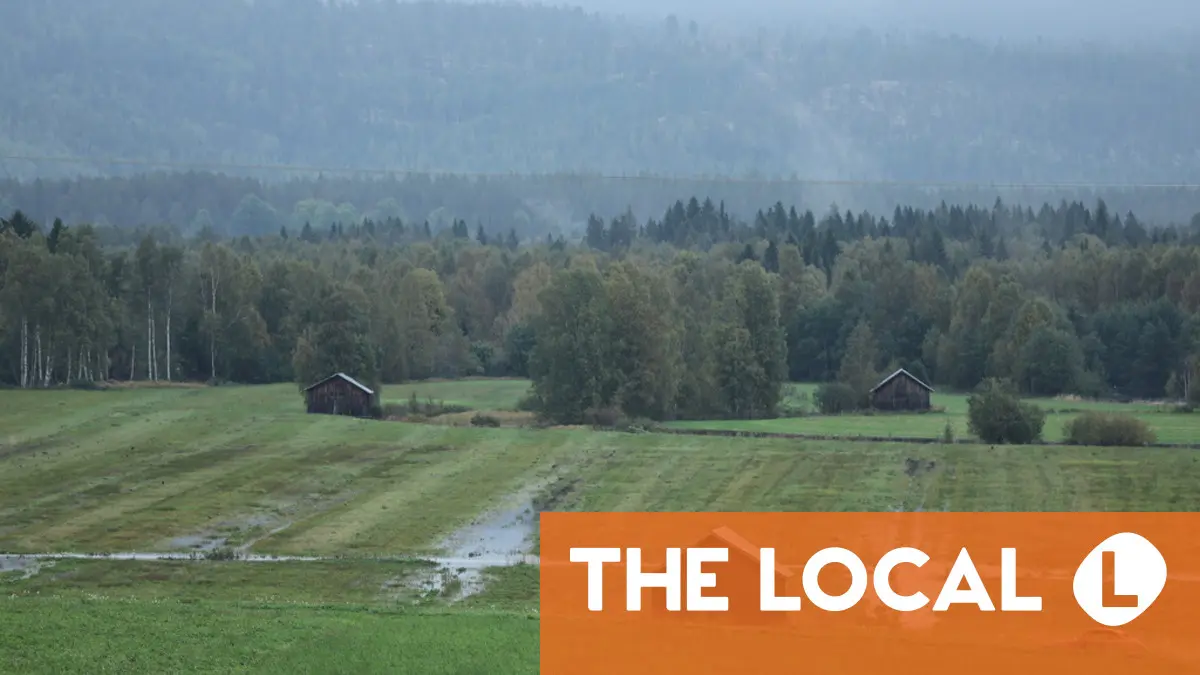
Swedish meteorological authorities have issued warnings for significant rainfall across parts of the country this weekend, creating a sharp contrast to the high temperatures and localized water shortages currently affecting other regions. The Swedish Meteorological and Hydrological Institute (SMHI) has flagged the potential for heavy downpours, urging residents in affected areas to prepare for localized flooding and travel disruptions as weather patterns shift across the Scandinavian peninsula.
While the southern and eastern parts of Sweden have experienced prolonged periods of warmth, the incoming weather system is expected to bring substantial precipitation to central and northern districts. According to official forecasts provided by SMHI, the atmospheric instability is set to peak over the weekend, with some regions potentially receiving a month’s worth of rain within a short timeframe. This meteorological divergence highlights the complexity of managing water resources and public safety during an increasingly volatile summer season.
Regional Impact and the Water Shortage Dilemma
The warning arrives at a time when several municipalities are already grappling with the consequences of limited precipitation. In regions where high temperatures have persisted, local authorities have implemented water restrictions to preserve supplies for essential needs. Data from the County Administrative Boards indicates that groundwater levels in specific areas remain lower than average for this time of year, making the arrival of rain a mixed blessing: while it may replenish some surface water, it poses a risk of flash flooding due to the ground’s current inability to absorb large volumes of water quickly.

The juxtaposition of heat-stressed, dry zones and areas under flood risk underscores the uneven distribution of extreme weather events in Northern Europe. Experts note that while precipitation is necessary to alleviate drought conditions, the intensity forecast for this weekend may overwhelm infrastructure that has been optimized for more moderate rainfall patterns. Residents in low-lying areas or near smaller watercourses are advised to monitor local alerts, as these areas are historically most susceptible to rapid water level rises.
Safety Measures and Official Guidance
Authorities are emphasizing the importance of clearing drains and gutters to facilitate drainage around residential properties. For those planning travel, the Swedish Transport Administration, Trafikverket, has advised drivers to exercise caution, noting that heavy rain can lead to hydroplaning and significantly reduced visibility on major roadways. The risk of downed branches or trees, particularly in forested regions, also remains a concern during periods of intense wind and rain.
Emergency services are currently coordinating with local municipalities to ensure that response teams are prepared for potential call-outs related to water-damaged basements or blocked road passages. Officials recommend that individuals check their local news outlets and the Swedish Crisis Information portal for real-time updates regarding specific weather warnings and civil protection advice. By staying informed, the public can mitigate risks associated with the rapid onset of the forecasted downpours.
Monitoring the Weekend Forecast
The transition from high-pressure warmth to the incoming low-pressure system is expected to be rapid. Meteorologists at SMHI continue to track the movement of the cloud front, and updates to the official weather warnings are published on their website as new satellite and radar data become available. Because the precise path of the heaviest rainfall can shift, the agency encourages citizens to check the latest maps frequently throughout the weekend.

As of this report, the most significant impact is anticipated to begin late Friday and persist through Sunday. The situation remains fluid, and local government officials are expected to provide further updates on Monday regarding the total rainfall accumulation and the status of regional water levels. Please share this information with neighbors and family members, and feel free to leave a comment below if you have observed changes in your local area as the weather system moves in.
Keep reading