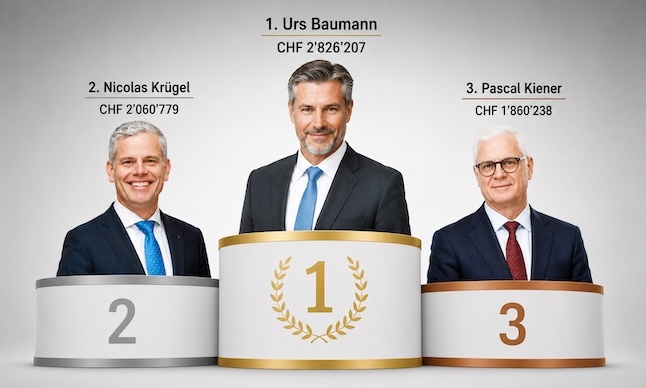
Executive compensation at Switzerland’s regional cantonal banks faces renewed public scrutiny following the release of detailed industry reports tracking executive pay packages across the decentralized banking sector. According to financial data published by specialized Swiss banking platforms, chief executive officers heading the country’s cantonal financial institutions command substantial base salaries supplemented by performance-based bonuses, reflecting the unique dual mandate of commercial profitability and public service obligations inherent to these state-backed lenders. Dr. Olivia Bennett, Business Editor at World Today Journal, examines the compensation structures, governance frameworks, and market pressures shaping executive remuneration across Switzerland’s cantonal banking network.
Switzerland’s 24 cantonal banks operate under distinct cantonal laws, combining traditional retail and commercial banking with regional economic promotion. Because several of these institutions benefit from a full or partial state guarantee provided by their home canton, executive pay decisions frequently attract heightened political and public attention. Financial analysts note that while cantonal bank CEOs generally earn less than their counterparts at global Swiss private and investment banks, their compensation packages remain significant relative to regional wage averages and public sector benchmarks.
The structure of cantonal bank remuneration typically balances fixed base salaries with variable compensation tied to key performance indicators such as net income, cost-income ratios, and risk management metrics. Governance guidelines established by individual cantonal parliaments and administrative boards dictate strict disclosure requirements, ensuring that citizens and lawmakers maintain visibility into executive earnings. Market observers emphasize that competitive pay remains necessary to attract executive talent capable of managing complex balance sheets in a high-interest-rate environment, even as public stakeholders demand fiscal restraint.
Executive Compensation Trends Across the Cantonal Banking Sector
Compensation reports examining the sector highlight considerable variance in CEO pay across different cantons, driven largely by the scale of the respective institutions. Large-scale systemic lenders such as Zürcher Kantonalbank (ZKB) and Banque Cantonale Vaudoise (BCV) manage balance sheets running into the tens of billions of francs, commanding executive compensation packages that reflect their systemic importance. Conversely, smaller cantonal banks in eastern and central Switzerland report more modest remuneration figures aligned with localized lending portfolios.
Industry data indicates that total compensation for cantonal bank CEOs frequently combines a fixed annual salary ranging between 400,000 and one million Swiss francs, alongside performance incentives that can add substantial sums depending on annual net profit milestones. Regulatory frameworks introduced across Switzerland following international banking reforms place strict caps on excessive risk-taking, requiring deferred payment structures and clawback provisions for variable remuneration components.
Stakeholder scrutiny has intensified as cantonal banks report robust financial results driven by interest income growth. Lawmakers in several cantons have periodically introduced parliamentary motions seeking stricter statutory caps on executive bonuses, arguing that institutions backed by public guarantees should moderate top-tier salaries. Conversely, bank administrative boards maintain that uncompetitive compensation packages would impair their ability to recruit qualified executives from private commercial institutions.
Governance, Accountability, and Public Oversight
Supervision of cantonal bank executive pay involves a multi-layered governance model comprising the bank’s board of directors, cantonal supervisory authorities, and the Swiss Financial Market Supervisory Authority (FINMA). FINMA oversees overall solvency and risk governance, while individual cantons exercise ownership rights through parliamentary committees or executive councils. This framework ensures that remuneration policies align with long-term institutional stability rather than short-term profit maximization.
Transparency initiatives across Switzerland have standardized executive compensation disclosures in annual financial reports. Shareholders, policyholders, and the general public can review detailed breakdowns of executive board remuneration, including pension contributions and fringe benefits. Financial transparency advocates argue that public disclosure acts as a natural deterrent against runaway pay inflation, allowing regional electorates to debate the social contract underpinning state-affiliated financial institutions.
Economic analysts point out that cantonal banks play a vital stabilization role within the Swiss economy, particularly during periods of macroeconomic volatility. Their conservative lending models and deep roots in regional mortgage and SME financing require steady, risk-averse leadership. Consequently, remuneration committees frequently weight non-financial performance indicators—such as customer satisfaction, sustainable lending practices, and regional economic development metrics—alongside traditional profitability targets.
Market Dynamics and Future Outlook
The evolving macroeconomic landscape presents ongoing challenges for cantonal bank leadership. Fluctuating interest rate policies by the Swiss National Bank continue to impact net interest margins, forcing executives to diversify income streams through wealth management and digital banking services. Navigating these transitions requires specialized managerial expertise, keeping executive recruitment and retention at the forefront of strategic board discussions.
As regional banking consolidation discussions surface periodically across Europe, Swiss cantonal banks remain firmly anchored in their respective jurisdictions due to statutory ownership protections. However, competitive pressures from agile fintech competitors and large national banking groups ensure that executive boards must continually justify their compensation structures against demonstrated institutional performance.
Official updates regarding annual financial results and executive remuneration disclosures are published regularly through individual bank investor relations portals and the Association of Swiss Cantonal Banks. Observers expect transparency demands to persist as regional parliaments review governance guidelines in upcoming legislative sessions.