
The exercise of democratic rights is often viewed as a fundamental guarantee in Switzerland, yet for those living outside the country’s borders, the process of casting a ballot is reportedly becoming a financial burden. Reports have emerged that some Swiss citizens living abroad are paying up to 60 francs to ensure their votes are counted, introducing a monetary barrier to political participation for a growing global community.
This financial friction comes at a time when the Swiss diaspora is expanding. As of December 31, 2025, there were 838,600 Swiss nationals registered with competent Swiss representations abroad, representing a 1.4% increase over 2024 figures, according to data from the Federal Department of Foreign Affairs.
Whereas the growth of the registered population remains steady, the rate of increase has slowed slightly compared to the previous year, which saw a 1.6% rise. Officials note that this shift is partly attributed to improvements in how deaths of Swiss citizens are reported in certain countries, leading to more accurate registration rolls.
The Scale and Distribution of the Swiss Diaspora
The Swiss community abroad is not evenly distributed across the globe; rather, it remains heavily concentrated near the home country. According to data cited by the Swiss Federal Statistical Office (OFS), nearly half of the 838,600 Swiss citizens living abroad reside in bordering countries .
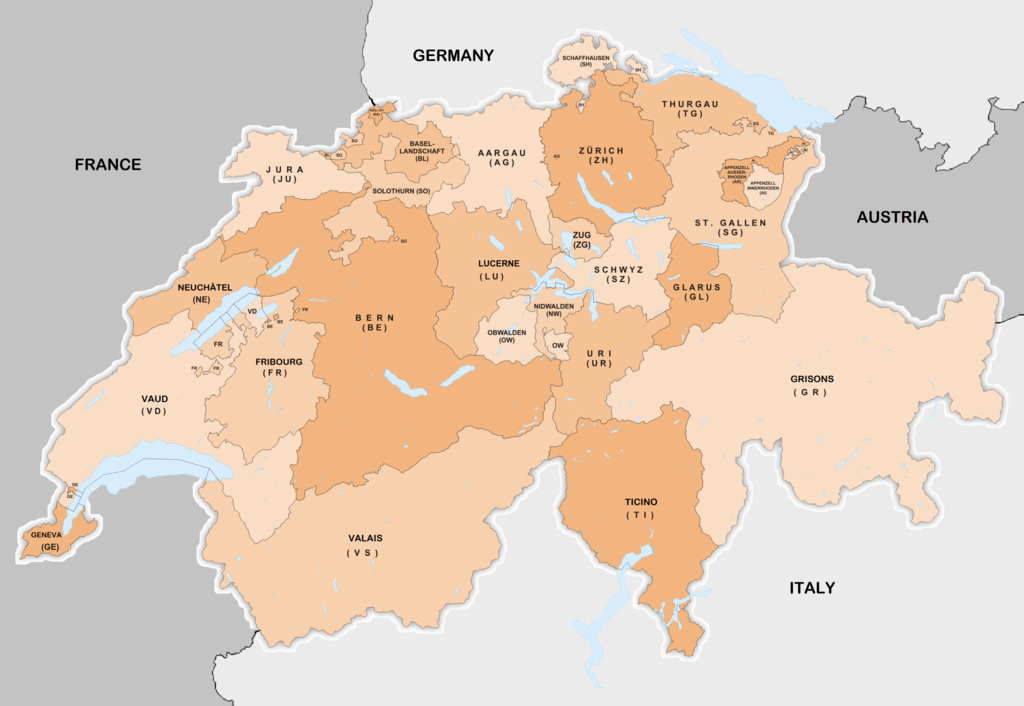
This geographic proximity often simplifies administrative ties, but for those living further afield, the logistical and financial hurdles of maintaining political engagement are more pronounced. The reported cost of up to 60 francs to facilitate a vote highlights a potential disparity in how democratic access is experienced depending on a citizen’s location and the specific mechanisms used to transmit ballots.
Financial Barriers to Democratic Participation
The reported cost of 60 francs for a vote to be counted raises significant questions regarding the inclusivity of the Swiss electoral system for its expatriate population. While Switzerland is renowned for its direct democracy, the transition of this system to a global scale introduces complexities in postage, verification, and administration.
For many Swiss nationals registered abroad, the ability to influence national policy is a key link to their identity and citizenship. However, when the cost of exercising that right becomes a tangible expense, it risks disenfranchising voters who may not be willing or able to pay for the privilege of participating in referendums or elections.
Key Statistics on Swiss Citizens Abroad
| Metric | Detail |
|---|---|
| Total Registered (Dec 31, 2025) | 838,600 |
| Growth Rate (2024 to 2025) | 1.4% |
| Previous Growth Rate | 1.6% |
| Primary Location | Bordering countries (nearly 50%) |
What So for Global Swiss Nationals
The intersection of rising registration numbers and reported voting costs suggests a growing tension between the state’s desire to maintain a connection with its citizens and the practical realities of administering elections across borders. The improvement in death notification systems mentioned by the Federal Department of Foreign Affairs indicates a push toward more precise data, but the financial aspect of voting remains a point of contention.
As the Swiss government continues to refine its relationship with the 838,600 citizens living abroad, the focus may shift toward digitizing the voting process or subsidizing the costs associated with postal ballots to ensure that democratic participation is not contingent on a citizen’s financial means.
For now, the Swiss community abroad continues to grow, though the cost of maintaining their voice in the homeland remains a significant hurdle for many.
Monitoring of registration trends and reports on voting accessibility will continue as the Swiss government updates its administrative protocols for the 2026 cycle.
Do you believe citizens living abroad should face different costs or requirements to vote in their home country? Share your thoughts in the comments below.