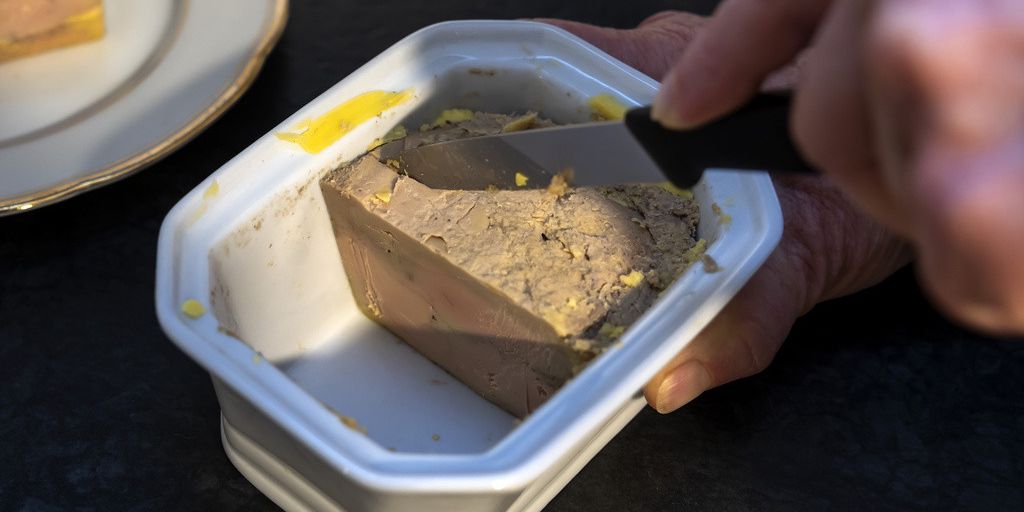
The Swiss Council of States has signaled a shift in national policy regarding the production and importation of foie gras, moving toward stricter regulatory measures. In a recent parliamentary session in Bern, members of the upper house expressed support for legislative restrictions aimed at curbing the trade and production of the delicacy, citing animal welfare concerns associated with the force-feeding of ducks and geese.
This legislative movement aligns with ongoing debates across Europe regarding the ethical implications of foie gras production. While the practice is already prohibited within Switzerland under existing animal protection laws, the current discussions in the Council of States focus on expanding the scope of these restrictions to include the importation of products derived from force-feeding methods, a move that would represent a significant change in the country’s trade and agricultural policy.
The Regulatory Landscape and Animal Welfare
The core of the current parliamentary debate centers on the tension between consumer choice and the enforcement of national standards for animal welfare. Under the Swiss Animal Protection Act, the production of foie gras through gavage—the process of force-feeding—is banned, effectively preventing domestic production. However, Switzerland remains a significant importer of foie gras, with consumers continuing to purchase products produced in countries where the practice remains legal.
Members of the Council of States supporting the restrictions argue that allowing the importation of such goods creates a moral contradiction, as the country effectively permits the consumption of products that violate its own internal animal welfare statutes. Supporters of the measure suggest that a ban on imports would ensure that the ethical standards upheld by Swiss farmers are not undermined by international trade, according to the Swiss Parliament’s official reporting on legislative initiatives.
What the Proposed Restrictions Mean
If the proposed restrictions are codified into federal law, the impact would be felt primarily by the hospitality and retail sectors, which would need to adjust their supply chains. The transition would necessitate a shift toward alternative products or a complete removal of foie gras from menus and store shelves. This legislative push is part of a broader trend in European policy, where animal rights organizations and legislative bodies are increasingly scrutinizing traditional culinary practices that rely on intensive farming techniques.
The move by the Council of States serves as a formal acknowledgment of the public’s growing sensitivity to animal welfare, as documented in various parliamentary motions submitted in recent years. For the consumer, this indicates a potential future where the availability of such products in Switzerland is significantly curtailed, reflecting an evolving national consensus on the treatment of livestock and the import of ethically contested food items.
Next Steps in the Legislative Process
The debate is far from concluded. Following the recent discussions in the Council of States, the proposal must navigate the formal legislative pathway, which includes further deliberations in the National Council and potential committee reviews. Any final decision will require a rigorous examination of both the legal implications for international trade agreements and the practical enforcement mechanisms for customs officials.
The Federal Council is expected to provide further assessment on how such a ban could be implemented without violating existing international commitments. Interested parties and stakeholders, including agricultural unions and consumer protection groups, are likely to present additional testimony in the upcoming parliamentary cycles. We will continue to track these developments as they move through the Swiss legislative system.
Have thoughts on this developing story? Join the conversation in the comments section below and share this update with your network to stay informed on Swiss policy changes.
Keep reading