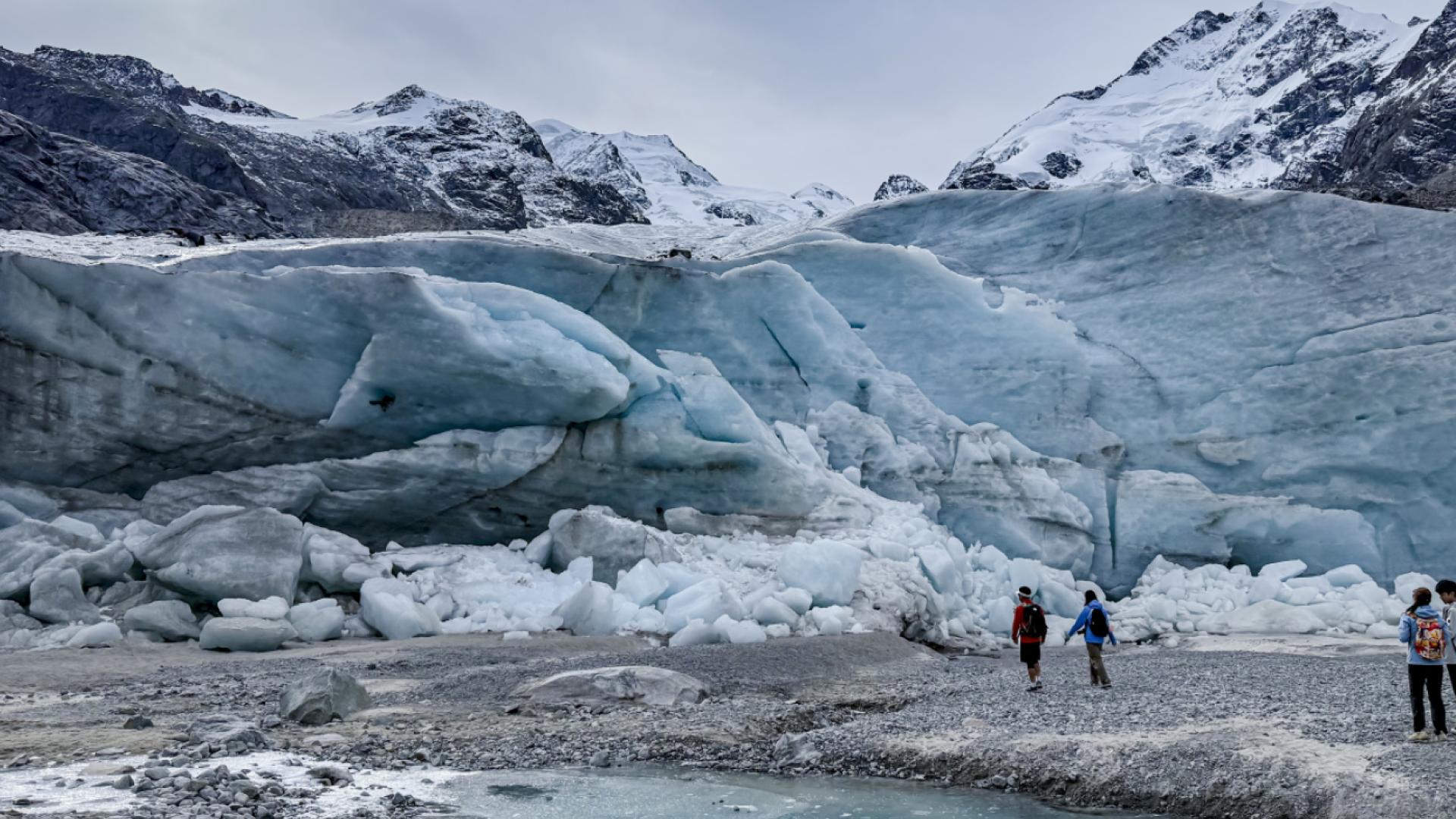
Swiss glaciers have reached a critical threshold as winter snow reserves are effectively exhausted, leaving ice bodies vulnerable to accelerated melting during the summer months. Data from glaciologists indicates that the protective layer of snow, which typically shields glaciers from direct solar radiation, has vanished significantly earlier than in previous decades. This trend, driven by rising temperatures and reduced winter accumulation, poses long-term risks to regional water security and alpine ecosystems, according to reports from the Swiss Glacier Monitoring Network (GLAMOS).
The exhaustion of these reserves means that glaciers are now exposed to the heat of the summer season without their natural insulation. When the winter snow cover disappears, the darker glacier ice is exposed to the sun, which absorbs more heat and triggers a rapid melting cycle. Scientists monitoring these sites across the Swiss Alps observe that this process is becoming increasingly common, with the 2023 and 2024 hydrological years highlighting the extreme sensitivity of these structures to climate shifts, as noted by the Federal Office of Meteorology and Climatology (MeteoSwiss).
The Mechanics of Glacial Melting
Glaciers function as natural water towers for Europe, storing winter precipitation as ice and releasing it slowly during the warmer months. The “winter snow reserve” acts as a reflective barrier; because snow is bright and highly reflective, it bounces much of the sun’s energy back into the atmosphere. Once this snow melts away, the underlying ice—often darkened by dust or debris—absorbs that energy, leading to a physical state change from solid to liquid. According to ETH Zurich, the loss of this reflective surface is a primary driver of the mass balance deficit observed in nearly all Swiss glaciers over the last decade.
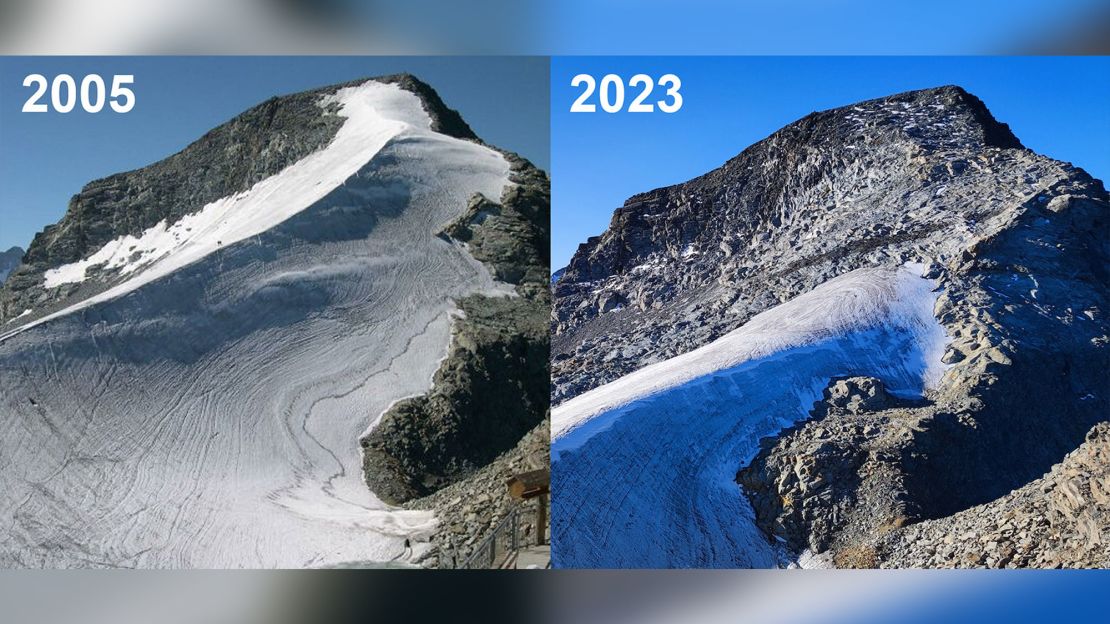
The timing of this depletion is the most significant factor for researchers. If the snow cover vanishes in June or July, the glacier remains exposed to the most intense heat of the year for several additional weeks. This extended exposure window prevents the glacier from recovering its mass, leading to a net loss that cannot be reversed by typical winter snowfall. Recent monitoring of the Gries Glacier in the Valais region has provided a stark visual representation of this retreat, with photographic evidence showing significant recession since the late 20th century, as reported by the Swiss Broadcasting Corporation (RTS).
Climate Drivers and Regional Impacts
The rapid melting of Swiss glaciers is inextricably linked to higher average temperatures in the Alpine region. MeteoSwiss has documented a consistent warming trend in Switzerland that is approximately double the global average. This temperature increase affects high-altitude zones that were previously resilient to mid-summer heat. The consequences extend beyond the visual retreat of ice; they impact hydroelectric power generation, agricultural irrigation, and the stability of mountain slopes, according to the Federal Office for the Environment (FOEN).
The loss of glacial mass also alters the timing of water runoff. In a stable system, glaciers provide a steady supply of meltwater during dry summer periods. As the glaciers shrink, this “buffer” effect diminishes. Initially, runoff may increase due to rapid melting, but in the long term, the total volume of available water during late summer is expected to drop significantly. The Swiss Federal Council has emphasized that these changes necessitate long-term adaptation strategies for water management and disaster prevention, particularly regarding the risk of landslides and glacial lake outburst floods.
Current Monitoring and Future Outlook
Ongoing research is focused on quantifying the exact rate of loss for individual glaciers. The GLAMOS network, which has been tracking these sites for over a century, uses a combination of satellite imagery, aerial surveys, and on-the-ground stake measurements to determine the annual mass balance. Their data is the gold standard for understanding how specific glaciers are responding to the current climate trajectory. By comparing annual measurements against historical baselines, researchers can determine whether a glacier is in a state of retreat, stability, or (rarely) advancement.
The next major update regarding the state of Switzerland’s glaciers is expected in the fall, when GLAMOS releases its annual hydrological report summarizing the total mass loss for the current year. These reports provide the data necessary for policymakers to assess the effectiveness of climate mitigation efforts and to plan for the infrastructure needs of the coming decades. Readers interested in the latest data can monitor updates through the official GLAMOS reporting portal, which provides detailed, site-specific information on the health of individual glaciers across the country.
As the scientific community continues to gather data on this ongoing environmental shift, the focus remains on both tracking the retreat and understanding the secondary consequences for the Swiss landscape. We invite our readers to share their thoughts and experiences regarding these changes in the comments section below, and to share this report to help raise awareness of this evolving climate reality.
Keep reading