Teh Crans-Montana Bar Fire: A Deep Dive into the Tragedy and Alpine Safety
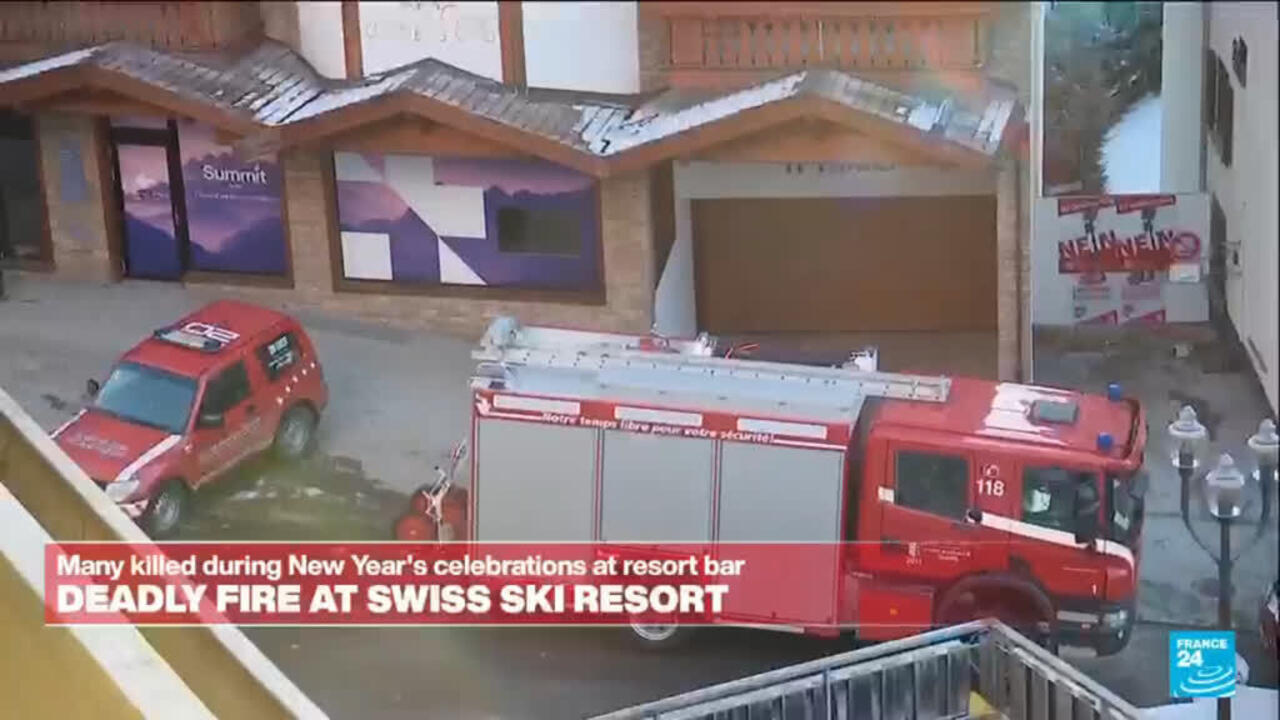
A devastating fire ripped through the Constellation bar in Crans-Montana, Switzerland, claiming dozens of lives and injuring close to 100 people. The blaze, which erupted around 1:30 a.m. in the popular Alpine ski resort, has prompted a major examination into its cause.Understanding the factors contributing to this tragedy – and how to enhance safety in similar venues – is crucial for both residents and visitors.This article provides a comprehensive overview of the event,explores potential causes,and offers insights into fire safety measures in Alpine environments.
Understanding the Incident
Investigations are currently underway to determine the exact origin of the fire. Authorities have stated there is no indication of terrorism being involved, focusing instead on potential accidental causes or compliance issues. Initial reports suggest the fire spread rapidly through the bar, located in the upscale resort north of the Matterhorn. The sheer number of casualties highlights the vulnerability of crowded spaces, especially those catering to nighttime entertainment.
The immediate aftermath saw a massive emergency response, with rescue teams working tirelessly to evacuate and treat the injured. Local hospitals were quickly overwhelmed, and support was requested from neighboring cantons. This event underscores the importance of robust emergency preparedness plans in tourist destinations.
Potential Causes and Contributing Factors
Several factors could have contributed to the severity of the fire. These include:
* Building Materials: The use of flammable materials in construction and interior design can accelerate fire spread.
* Egress challenges: Limited or poorly marked escape routes can hinder evacuation efforts.
* Crowd Density: Overcrowding can obstruct pathways and slow down the evacuation process.
* Fire Suppression Systems: The presence and functionality of fire alarms, sprinklers, and extinguishers are critical.
* Human Error: accidental ignition sources, such as faulty electrical wiring or improperly discarded smoking materials, are always a possibility.
Recent data from the Swiss Federal Statistical Office indicates a slight increase in building fires over the past year, with a significant portion originating in commercial establishments. This trend emphasizes the need for heightened vigilance and proactive safety measures.
Enhancing Fire safety in Alpine Resorts
You can take steps to ensure your safety while enjoying the beauty of the Swiss Alps. Prioritizing fire prevention and understanding emergency procedures are paramount. Hear’s a breakdown of actionable advice:
* Know Your Surroundings: Upon entering any establishment, locate fire exits and familiarize yourself with the evacuation plan.
* Be Aware of Capacity: Avoid venues that appear overcrowded, as this can impede your ability to escape quickly.
* Report Hazards: If you notice any potential fire hazards, such as blocked exits or faulty wiring, inform the management instantly.
* Understand Emergency Procedures: Pay attention to safety briefings and know what to do in case of a fire alarm.
* Travel Insurance: Ensure your travel insurance covers medical expenses and emergency evacuation.
Furthermore, businesses operating in Alpine resorts have a responsibility to prioritize building fire safety. This includes:
* Regular Inspections: Conducting routine fire safety inspections to identify and address potential hazards.
* staff Training: Providing comprehensive fire safety training to all employees.
* Maintenance of Equipment: ensuring that fire alarms, sprinklers, and extinguishers are properly maintained and functioning.
* Compliance with Regulations: Adhering to all relevant fire safety regulations and building codes.
* Emergency Planning: Developing and regularly practicing emergency evacuation plans.
The Role of Technology in Fire Safety
Advancements in technology are playing an increasingly vital role in fire protection. Smart fire detection systems, such as, can provide early warnings and automatically alert emergency services. These systems often incorporate sensors that detect smoke, heat, and even changes in air pressure.
Furthermore, building information modeling (BIM)
Keep reading