
Swiss middle-distance runner Audrey Werro secured a historic victory in the women’s 800m at the Stockholm Diamond League, clocking a remarkable 1:53.98. The performance, which ranks as one of the fastest times in the history of the event, saw Werro surge past reigning Olympic champion Keely Hodgkinson to claim a decisive win on a cloudless Stockholm night.
The race in Stockholm has fundamentally shifted the landscape of women’s middle-distance running. While Britain’s Keely Hodgkinson delivered a performance that marked a new British best, she was unable to match the explosive finishing kick of the young Swiss star. Werro’s time of 1:53.98 represents a significant breakthrough, placing her in elite company and setting the stage for a high-stakes season of international athletics.
The atmosphere at the stadium was described as electric as the field approached the final bend. For much of the race, the focus remained on Hodgkinson, who has been the dominant force in the discipline. However, the narrative shifted in the closing meters when Werro executed a tactical surge that left the field trailing in her wake.
A Lightning Surge in Stockholm
The Stockholm Diamond League provided the perfect backdrop for what is being called one of the most significant 800m races in recent memory. On a night characterized by ideal weather conditions, the pace was relentless from the starting gun. Audrey Werro, appearing to be in peak physical condition, maintained a composed position before launching a devastating sprint in the final straight.
According to reports from the event, Werro “swooped like lightning” to cross the finish line in 1:53.98. This time is noted for its rarity, being described as the quickest 800m run seen since the era of the Cold War. The sheer speed of the finish has left analysts debating how much further the limits of the event can be pushed in the current era of athletics.
The victory is a milestone for Swiss athletics, elevating Werro from a rising talent to a legitimate contender for global titles. Her ability to maintain composure while sprinting against an Olympic champion demonstrates a level of tactical maturity that is uncommon in younger athletes.
Keely Hodgkinson Sets British Best Amid Defeat
Despite the loss, the night was not without a major achievement for Great Britain. Keely Hodgkinson, the reigning Olympic champion, proved she remains in world-class form. Hodgkinson had previously indicated she was in personal-best shape, and her performance in Stockholm validated those claims, as she secured a time that stands as a new British best.
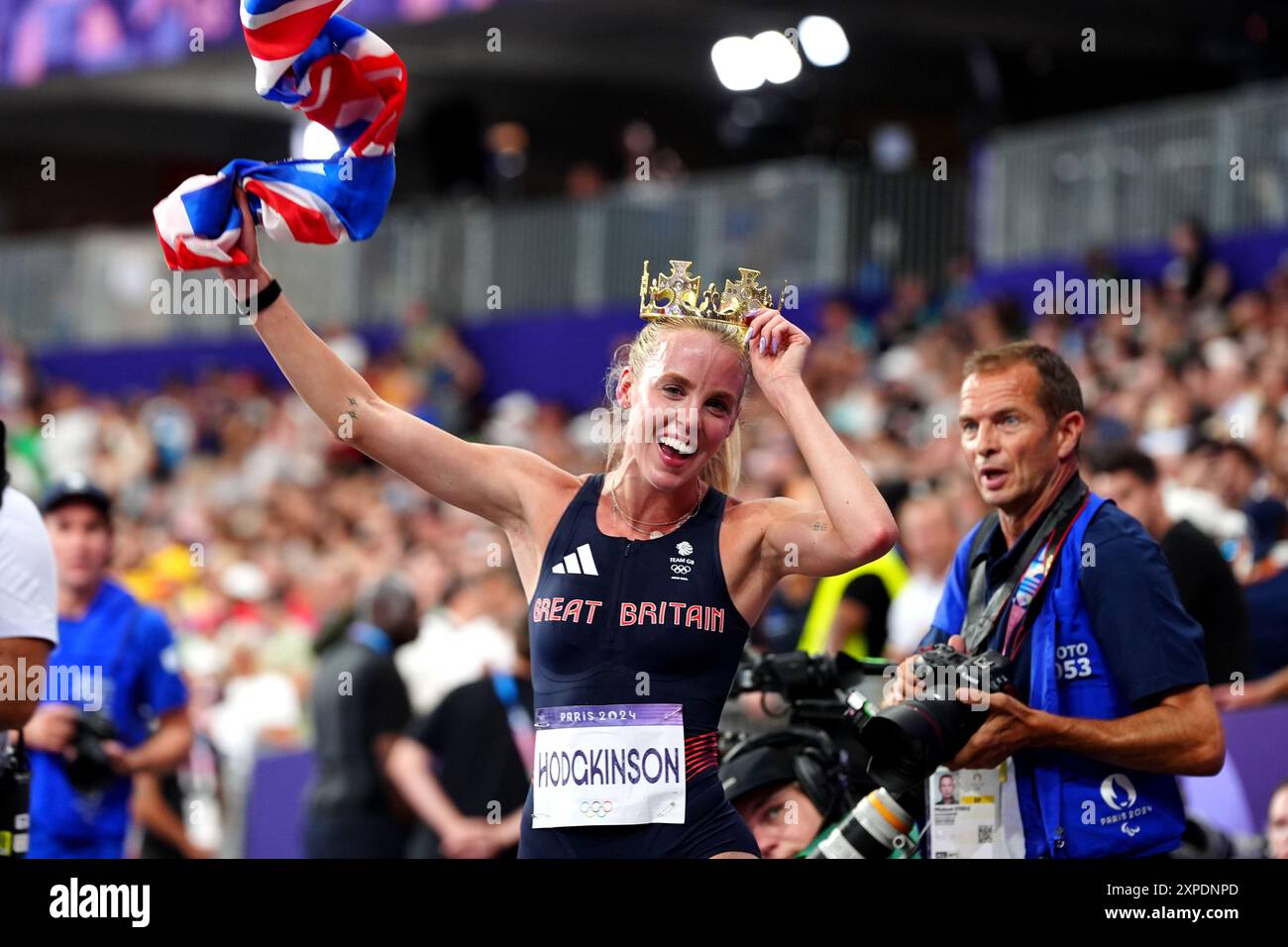
While Hodgkinson lacked the final gear to overtake Werro, her consistency and ability to maintain a high-tempo race were evident. For the British star, the focus now shifts from the sting of defeat to the pursuit of the ultimate prize: the world record. Hodgkinson has publicly signaled her intention to target the world record following this performance, using the Stockholm race as a benchmark for her progression.
The distinction between Hodgkinson’s tactical brilliance and Werro’s raw speed provides a fascinating study in middle-distance strategy. Hodgkinson’s ability to control the race tempo ensures she remains a constant threat in any championship final, even when she is not the fastest woman on the track.
Analyzing the 1:53.98 Mark
The significance of Werro’s 1:53.98 cannot be overstated. In the context of the women’s 800m, breaking the 1:54 barrier is a feat achieved by only a handful of athletes in history. This performance places Werro in a tier of runners that includes the most legendary names in the sport.
To understand the magnitude of this achievement, it is helpful to compare the performance of the two primary protagonists from the Stockholm race:
| Athlete | Nationality | Stockholm Result | Key Achievement |
|---|---|---|---|
| Audrey Werro | Switzerland | 1:53.98 | Race Winner / Historic Time |
| Keely Hodgkinson | Great Britain | [British Best] | Olympic Champion |
The emergence of Werro as a sub-1:54 runner introduces a new level of competition for the established hierarchy. For the sport of athletics, such breakthroughs are essential for maintaining global interest and driving the evolution of training and performance standards.
What This Means for the 800m Circuit
The outcome in Stockholm is expected to have a ripple effect across the upcoming Diamond League circuit and major international championships. With Werro now established as a frontrunner, the tactical approach of other competitors will likely change. We can expect more aggressive racing styles as athletes attempt to neutralize Werro’s finishing speed.
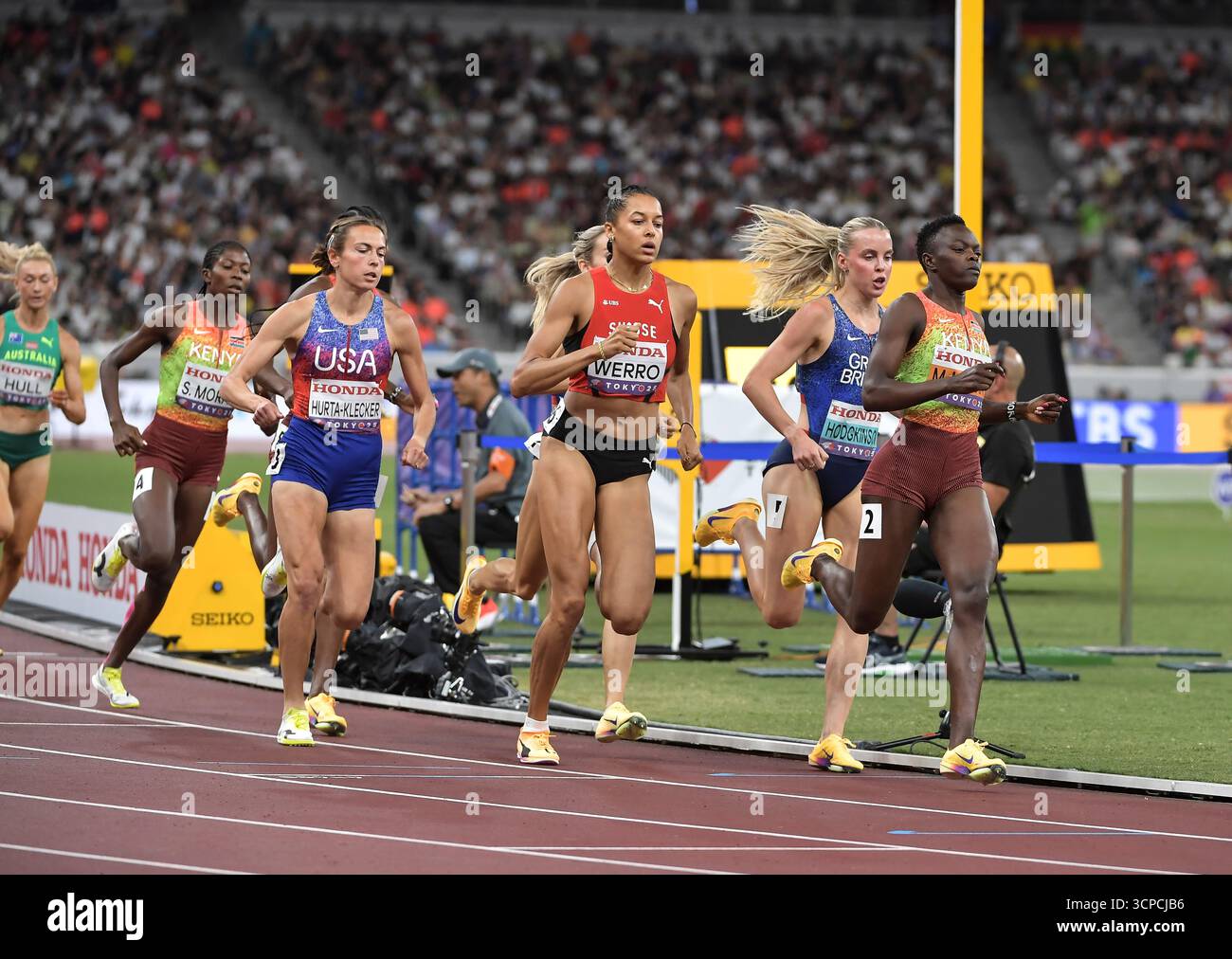
For Hodgkinson, the race serves as a vital data point. The gap between her current personal best and the world record is narrowing, and her ability to run a British best under intense pressure suggests she is peaking at the right time. The rivalry between the Swiss challenger and the British champion is set to become one of the defining narratives of the athletics season.
As the circuit moves toward its next major milestones, fans and analysts alike will be watching to see if Werro can replicate this form or if Hodgkinson can find the extra fraction of a second needed to hunt down the world record.
For more updates on the Diamond League and international athletics standings, stay tuned to the World Athletics official results portal.
The next major checkpoint for these athletes will be the upcoming scheduled Diamond League meets, where both Werro and Hodgkinson are expected to face off once again. We will continue to monitor official entries and training updates as they become available.
What do you think of Werro’s historic run? Can Hodgkinson break the world record this season? Let us know your thoughts in the comments below and share this story with your fellow athletics enthusiasts.
Related reading