
Swiss voters have rejected a political initiative aimed at curbing population growth, signaling a preference for maintaining current economic and diplomatic frameworks over radical demographic shifts. The decision reflects a cautious electorate unwilling to undertake “radical experiments” or risk the established bilateral relationship between Switzerland and the European Union (EU).
The rejection of the proposal, which centered on concerns regarding Switzerland reaching a 10-million-person population threshold, suggests that the public prioritizes economic stability and diplomatic continuity. While the Swiss People’s Party (SVP) campaigned heavily on the potential risks of uncontrolled growth, the final vote indicates that a majority of citizens viewed the proposed restrictions as too disruptive to the nation’s functioning and its ties to Brussels.
Why did Swiss voters reject the population initiative?
The rejection stems from a desire to avoid what analysts describe as a “radical experiment” in national policy. According to political observers, the electorate demonstrated a clear preference for incremental management of population trends rather than the abrupt, legally mandated restrictions proposed by the initiative. The fear of destabilizing the current socio-economic order outweighed the concerns regarding long-term demographic expansion.
Voters also weighed the potential for domestic disruption against the benefits of the existing system. The initiative sought to implement strict limits that would have fundamentally altered how Switzerland manages labor markets and infrastructure. By voting “No,” the Swiss public opted to maintain the status quo, trusting existing regulatory bodies to manage growth through gradual adjustments rather than legislative shocks.
How does the vote affect Swiss-EU relations?
A primary driver for the “No” vote was the perceived risk to Switzerland’s relationship with the European Union. The initiative’s proposed measures would have likely conflicted with the Agreement on the Free Movement of Persons (AFMP), a cornerstone of the bilateral agreements between Switzerland and the EU. Political analysts note that a “Yes” vote would have almost certainly triggered a diplomatic crisis with Brussels, potentially leading to the suspension of other critical bilateral treaties.
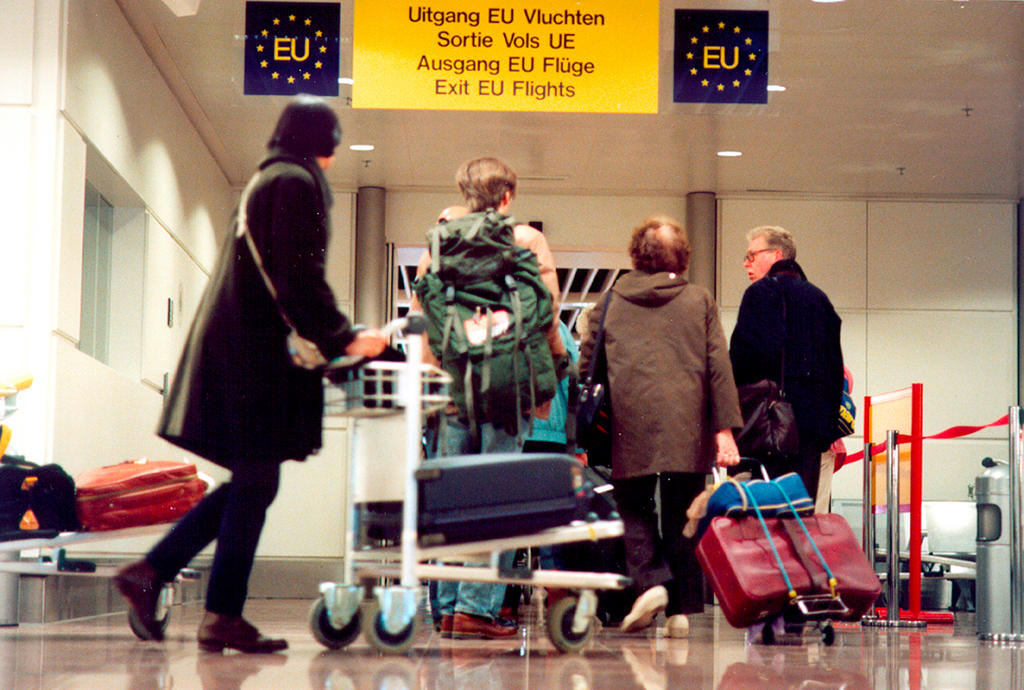
The electorate appears to have recognized that the cost of domestic population control might be the loss of essential access to the European single market. By rejecting the measure, voters effectively signaled that the economic advantages of maintaining open borders with the EU outweigh the perceived benefits of strict immigration controls. This decision preserves the delicate balance Switzerland has maintained between its sovereignty and its economic integration with its neighbors.
The following table compares the core arguments presented during the political campaign regarding the initiative:
| Issue | SVP / Initiative Argument | Government / Opponent Argument |
|---|---|---|
| Population Growth | Warned of a “10-million Switzerland” causing infrastructure collapse. | Argued for managed growth and existing planning tools. |
| EU Relations | Emphasized national sovereignty over EU mandates. | Warned of “risks with Brussels” and loss of bilateral benefits. |
| Economic Impact | Claimed uncontrolled immigration strains social systems. | Highlighted the necessity of foreign labor for the Swiss economy. |
| Policy Approach | Called for radical, legally binding limits. | Favored stability and avoiding “radical experiments.” |
What role did the SVP play in the campaign?
The Swiss People’s Party (SVP) was the driving force behind the campaign against rapid population growth. The party utilized a strategy focused on demographic anxiety, frequently citing the “10-million” threshold as a looming crisis for Swiss infrastructure, housing, and public services. By framing the issue as a fight to save the Swiss way of life from being overwhelmed, the SVP successfully mobilized a significant portion of its base.

Despite the SVP’s efforts to frame the initiative as a necessary safeguard, the campaign struggled to overcome the counter-arguments regarding economic and diplomatic consequences. The party’s rhetoric, while effective at highlighting the concerns of rural and conservative voters, failed to convince the broader population that the risks of maintaining the current system were greater than the risks of implementing the proposed restrictions.
What are the demographic implications for Switzerland?
While the initiative failed, the underlying demographic pressures remain a central issue for Swiss policymakers. Switzerland continues to face challenges related to housing shortages, rising costs of living, and the need for skilled labor to support its highly specialized economy. The rejection of the initiative does not resolve these issues; it merely shifts the responsibility back to the federal government to manage them through existing legislative channels.
The “10-million” concern is not merely a political slogan but a reflection of real-world planning requirements. As the population grows, the demand for transport, energy, and healthcare infrastructure will increase. Moving forward, the Swiss government will likely face continued pressure to demonstrate that it can manage this growth without resorting to the “radical experiments” that voters so explicitly rejected in this recent vote.
The next significant checkpoint for Swiss demographic and migration policy will involve the ongoing negotiations regarding the “Institutional Framework Agreement” and the update of various bilateral agreements with the EU. These developments will determine how Switzerland continues to balance its domestic population management with its international obligations.
What are your thoughts on the Swiss electorate’s decision to prioritize stability over radical change? Share your views in the comments below and share this article with your network.
Worth a look